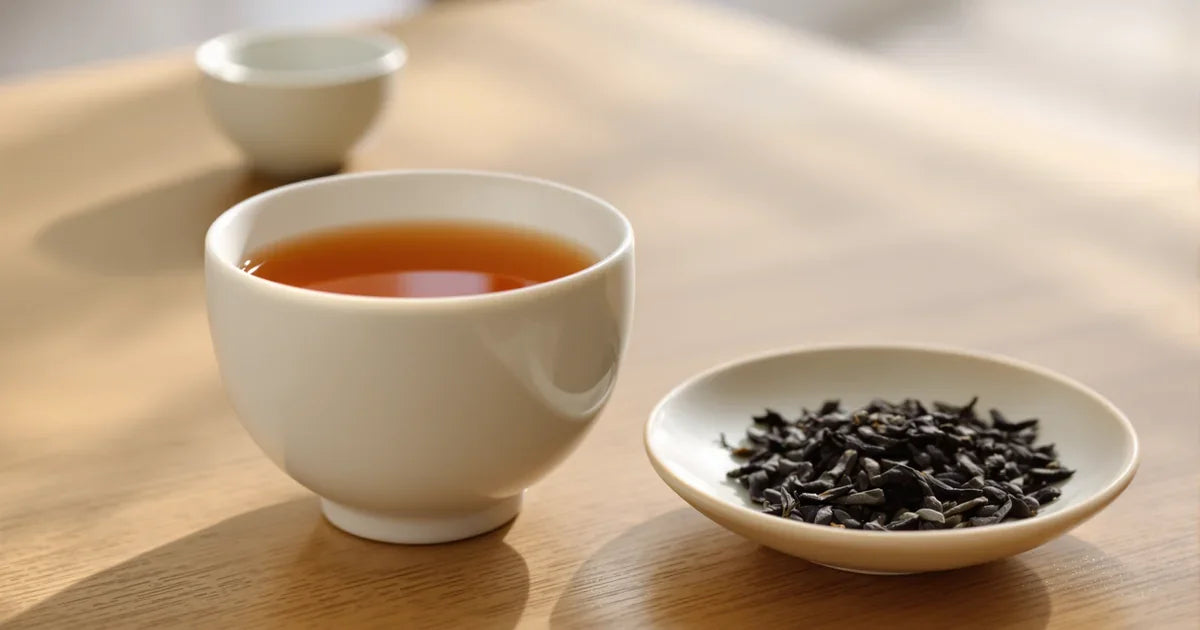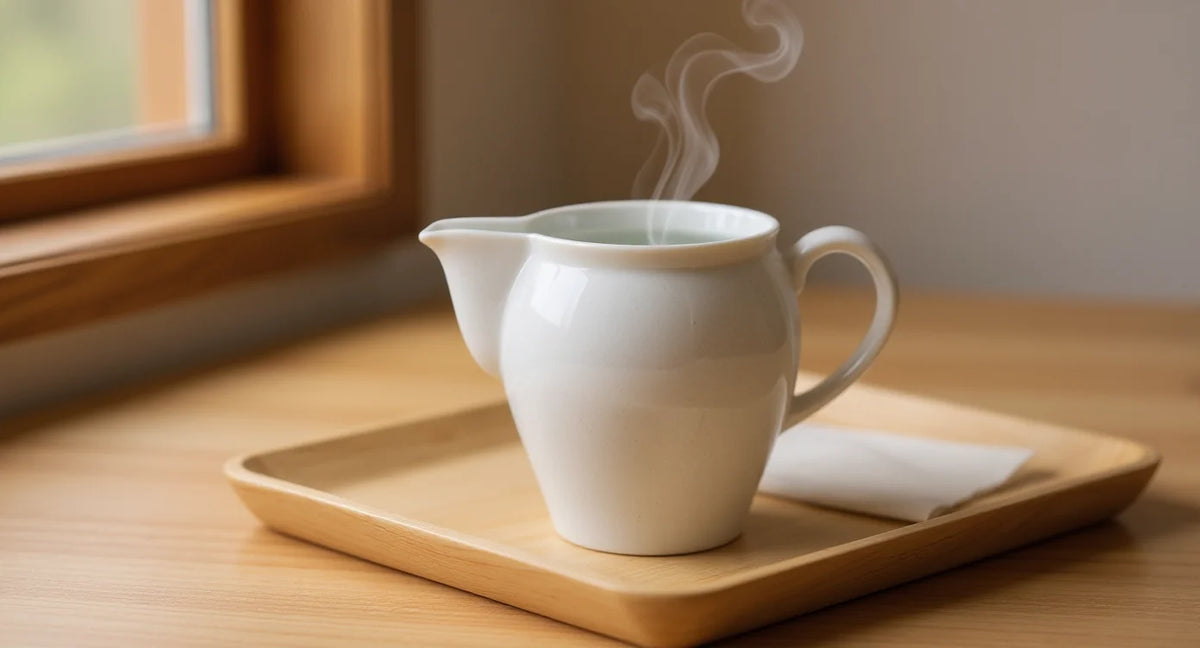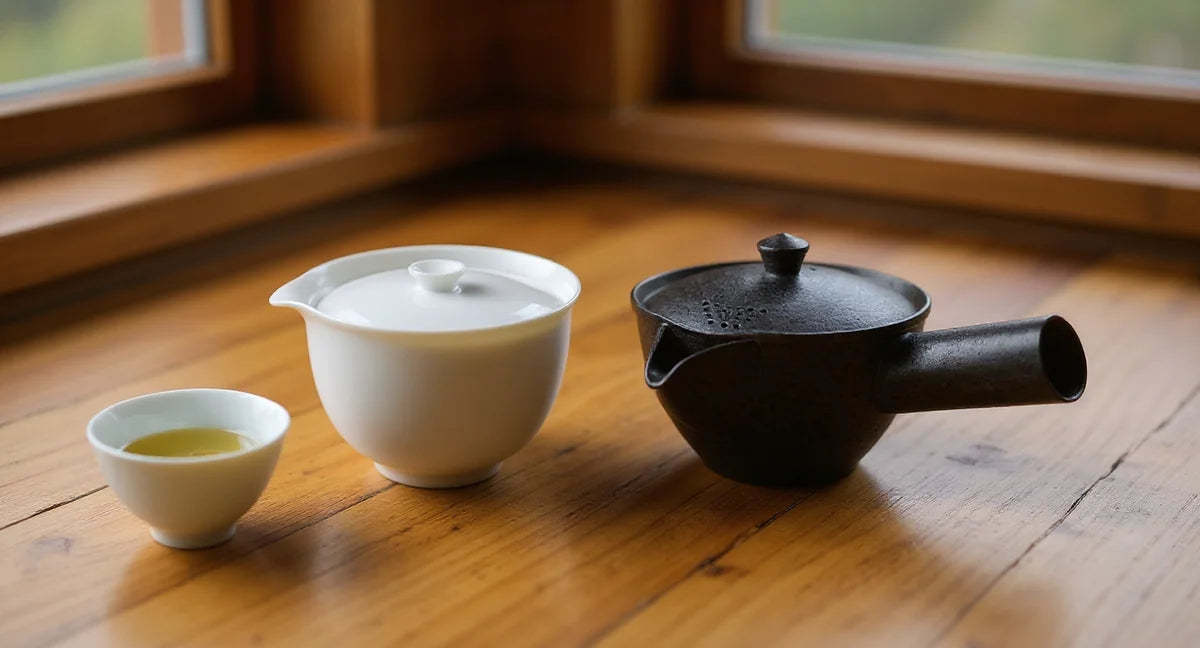
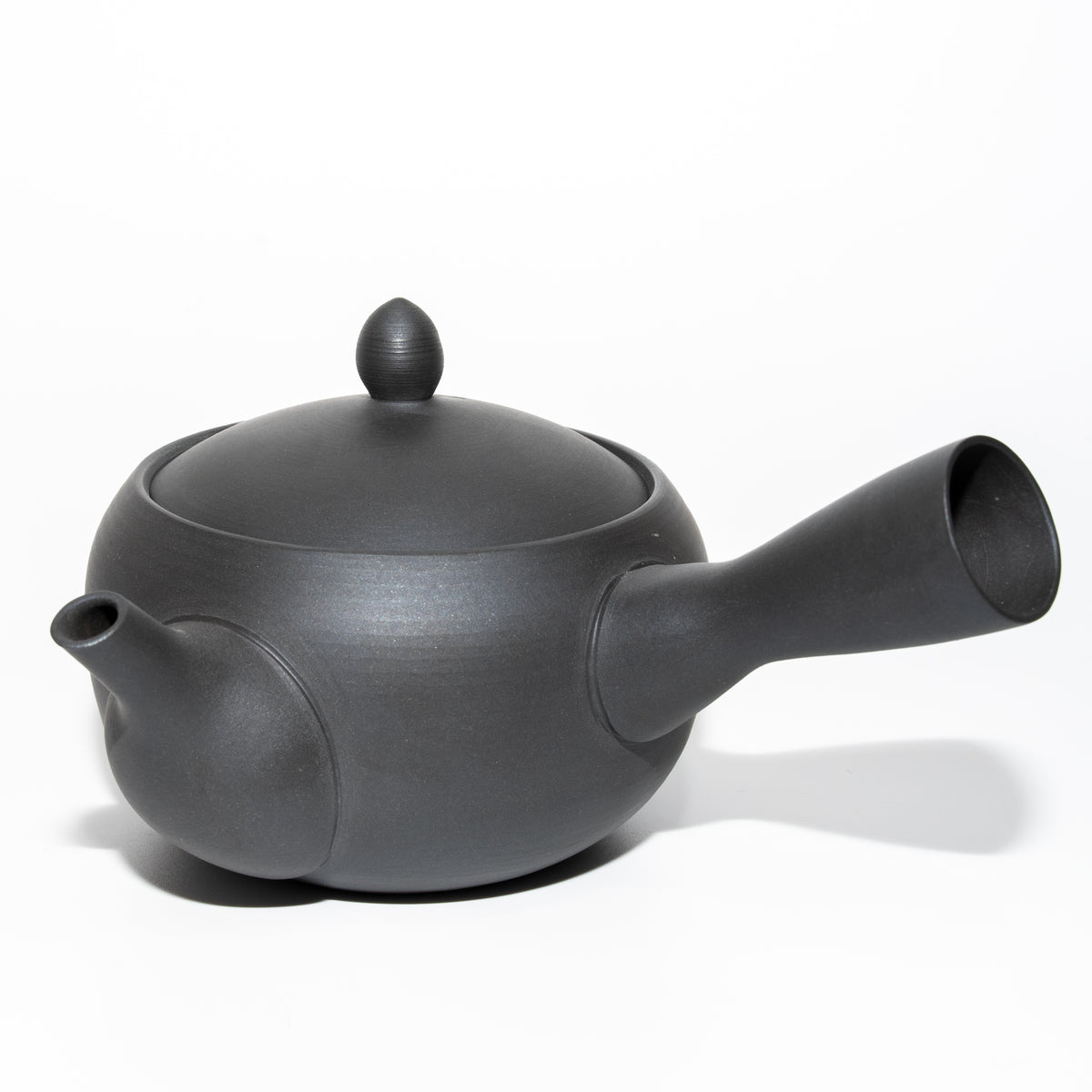
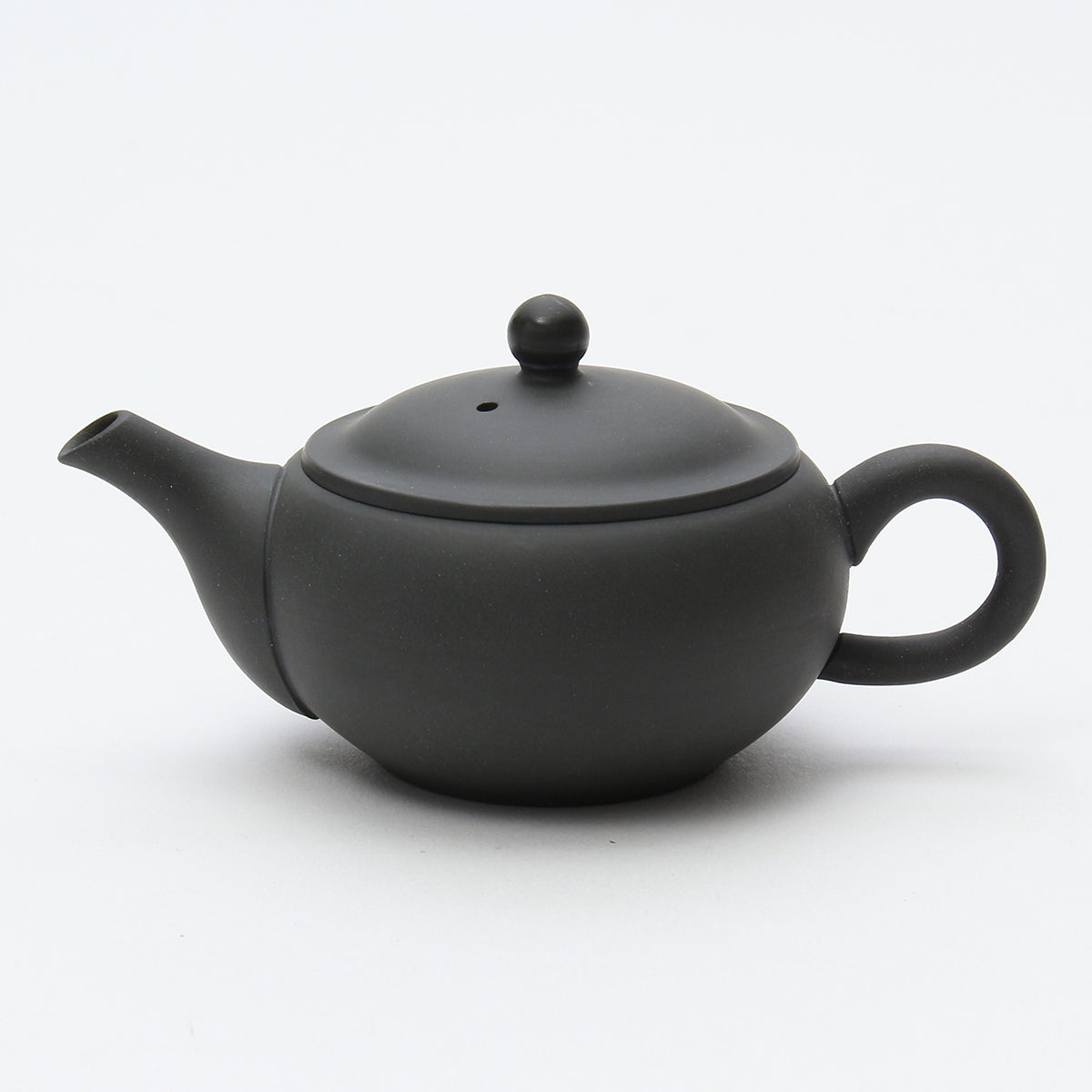

The aroma arrives before the flavor: toasted grain, warm wood, a hint of caramelized sweetness. Steam lifts from the cup and the whole room seems to settle. You feel it in your shoulders first. Then in your breathing.
If you are curious about Hojicha benefits, that is a good place to start. Not with a definition. Not with a list of nutrients. With the fact that this tea begins working on your senses before you even take a sip. The comfort is real, and recent research — including a 2025 study on the physiological effects of Hojicha's roasting compounds — suggests some of it is measurable.
Our team keeps coming back to Hojicha, roasted Japanese green tea, for that reason. It asks very little of you, yet it changes the mood of a moment. If you want the bigger picture on how leaf choice and roasting shape the tea itself, our guide to different styles of Hojicha is a useful companion. Here, we want to stay close to the cup and look at what it may be doing for your body along the way.
What the roasted aroma study suggests
A 2025 study suggests that pyrazines may play a role in the sedative effect of inhaled Hojicha aroma. After 20 adults inhaled the aroma for two minutes, researchers found lower prefrontal oxygenated hemoglobin and better mood scores than with hot water; they suggested a shift toward parasympathetic activity. The study tested aroma inhalation only, not drinking the tea, and did not compare unroasted teas.
The most distinctive part of Hojicha is not a vitamin or a mineral. It is pyrazine, a family of aroma compounds created when tea is roasted. Those molecules are responsible for the nutty, toasty scent that makes Hojicha feel so immediately comforting. They do not define unroasted teas in the same way. Sencha, the everyday steamed green tea, and Gyokuro, the shaded style known for deep sweetness and umami, keep a greener aromatic profile because they are not taken through that roast.
That matters because aroma is not just decoration. It can change the way your body responds. In a 2025 study published in Functional Foods in Health and Disease, researchers looked at what happened when healthy adults simply smelled Hojicha aroma. They reported a sedative effect from inhaling the aroma and suggested that sympathetic activity fell while parasympathetic activity rose. In plain terms, the authors interpreted the results as suggesting a shift toward rest. The participants did not drink the tea; they only inhaled its aroma.
The study found a rise in peripheral skin temperature after participants inhaled Hojicha aroma, similar to the rise seen with hot water. Three pyrazines tested on their own also produced physiological responses similar to those of the Hojicha aroma when inhaled. The researchers also observed lower oxygenated hemoglobin in the prefrontal area, which they interpreted as another sign of calming at the level of central nervous activity. Quiet physiology. Before the first sip.
In this small study, the researchers reported changes after two minutes of inhaling Hojicha aroma. Hojicha often seems to soften the room around you. The roast does more than change flavor. It creates aroma compounds that appear to support the parasympathetic, rest-oriented side of the nervous system.
Catechins that survive the roast
Hojicha contains fewer catechins than unroasted green teas, but research on simulated digestion shows more than half of its polyphenols remain bioaccessible through the gastric phase, and roughly half persist through the intestinal phase. Roasting changes the catechin profile without eliminating antioxidant potential. For everyday drinkers, the value is not maximum concentration — it is consistent, gentle intake over time.
Once you move past aroma, the next part of the story is catechins. Catechins are a class of polyphenols found in tea, and they are best known for their antioxidant role. They help neutralize oxidative stress, which is one reason tea keeps showing up in conversations about long-term wellness. If you want a deeper ingredient-level explanation, our piece on catechin in tea breaks that chemistry down in more detail.
Hojicha does not lead the category for catechin concentration. It would be misleading to pretend otherwise. Roasting changes the leaf, and the tea used for Hojicha is often more mature than the young, vivid leaves used for teas like Sencha or Gyokuro. So yes, Hojicha usually contains less catechin than those greener styles. The roast softens bitterness and astringency, but part of that softness comes from having less of the compounds that create that sharp edge in the first place.
Still, less is not the same as none. Research on roasted Japanese green tea and simulated digestion suggests that more than half of total polyphenols remain bioaccessible during the gastric stage, and roughly half persist through the later intestinal phase as well. That is an important correction to the common assumption that roasting wipes out the useful parts of the leaf. It does not. Roasting changes the profile, but a meaningful share of antioxidant potential remains available after digestion begins. For the full breakdown of what Hojicha contains beyond catechins, see our guide to Hojicha ingredients.
There is also a practical truth here that matters more than peak numbers. A tea does not have to be the most concentrated source of catechin to be worthwhile. It has to be a tea you actually want to drink, often and without resistance.
Hojicha is easy to return to. After meals. During work. That daily drinkability counts for something. In real life, consistency often matters more than intensity.
We think that is part of Hojicha's strength. It offers antioxidant compounds in a form that feels gentle, familiar, and sustainable. Not maximal. Usable. For many tea drinkers, that is the difference between admiring a tea's benefits in theory and making room for them every day.
Theanine and gentle alertness
Theanine in hojicha supports relaxed attention rather than sleepiness. It is linked to increased alpha wave activity — the brainwave pattern associated with wakeful calm — and works against caffeine's edge, producing an alert but unhurried state. Hojicha contains less theanine than gyokuro or sencha, but the balance between its mild stimulant and calming compounds still produces the characteristic gentle focus that distinguishes tea from coffee.
Another reason tea feels different from coffee is theanine, an amino acid closely associated with tea itself. Theanine is often described as relaxing, but that can sound too sleepy. The better description is relaxed attention. It takes the edge off without flattening your mind. Our guide to theanine in tea goes deeper on the ingredient, but the short version is simple: it helps explain why tea can feel clear and calm at the same time.
Theanine is also linked with increased alpha wave activity, a brain pattern commonly associated with wakeful relaxation. That pairing matters. You are not knocked out. You are steadied. This is why so many tea drinkers recognize a state that coffee does not always give them: alert, but not pushed; focused, but not tight. Tea's stimulation arrives with a built-in counterweight.
A recent human study on green tea and roasted green tea looked at everyday-sized servings rather than pharmacological doses and still found shifts in refreshment, motivation, and task performance. Not because Hojicha is overpowering. Because subtle inputs can still change how you feel and work. Small changes are still changes.
Hojicha is not the richest source of theanine in the Japanese tea world. Sencha usually contains more, and shaded teas can contain far more. Roasting can reduce delicate compounds, and Hojicha often starts with leaves that are chosen for comfort and everyday use rather than maximum amino acid content. Even so, we enjoy the gentle feel of the cup. We enjoy the roasted aroma. For us, that aroma is part of the pleasure of returning to Hojicha.
The result is subtle. Good. Hojicha is the sort of tea you can drink when you want to wake up without bracing yourself, or when you need to keep working without winding yourself up. It supports attention in a quieter register. That is part of what makes the tea feel kind to your system.
Mindful drinking: caffeine, iron, and timing
Hojicha is gentle, but it is still tea and it is not caffeine-free. According to the Standard Tables of Food Composition in Japan (MEXT, 8th revised edition), brewed hojicha contains about 20 mg of caffeine per 100 mL.
The European Food Safety Authority (EFSA) concluded that caffeine from all sources of up to 200 mg per day does not raise safety concerns for the fetus, and it proposed 3 mg per kilogram of body weight per day as a safety level for habitual caffeine intake by children and adolescents. Both figures refer to total caffeine from all foods and drinks.
Another common question is iron. Green tea is known to inhibit the absorption of non-heme iron, the form of iron found in plant foods. In a 2023 study of Japanese middle-aged and older adults, men and postmenopausal women who drank more green tea had lower serum ferritin, a marker of the body's iron stores. The study looked at green tea in general, not hojicha specifically. The study looked at one point in time, so it cannot show that tea caused the difference. If you have been told your iron is low, talk with a doctor or dietitian about your diet, including tea.
EFSA also noted that a single 100 mg dose of caffeine may affect sleep duration and patterns in some adults, particularly when consumed close to bedtime. If you have a medical condition or take medication, talk to a healthcare professional about caffeine.
Hojicha through the day
Hojicha's properties shift with how it is used. In the morning, the roasted aroma greets you gently. After meals, low bitterness makes it easy on the palate and stomach. A lighter brew still lets you enjoy the roasted aroma. Cold brew works too, quieting the roast slightly and making the tea especially clean in warm weather.
Morning does not always need force. Some mornings call for a gentler start than a jolt. Hojicha works well there. The aroma reaches you first, and the cup offers a warm, toasty start. If coffee feels abrupt on an empty or unsettled morning, Hojicha often gives you another way to start. Still awake. Just less sharp.
After meals, its usefulness changes shape. The roast has a natural way of clearing the palate, especially after richer food or sweetness. At the same time, Hojicha is low in bitterness compared with greener teas, so many people find it easier on the stomach and simpler to pair with everyday food. It does not fight for attention. It resets the mouth, settles the moment, and leaves the meal feeling lighter rather than heavy.
Many people fall in love with it. Not because it is magically free of stimulation, but because of the aroma itself. A lighter infusion can be enough. A small pot can be enough. You get warmth and roast without the intensity some other drinks bring. If you want the separate, more detailed discussion, our article on Hojicha and caffeine covers that side of the story on its own.
Cold brew works too. The expression changes, of course. The roast becomes quieter, sometimes a little sweeter, and the cup feels especially clean in warm weather.
The basic value of the tea does not disappear just because you shift the temperature. You are still drinking roasted green tea with its mix of polyphenols, amino acids, and comforting aroma compounds. If hot Hojicha feels like a blanket, cold brew feels like a long exhale. Same tea. Different mood.
At FETC, we do not think the point of Hojicha is to win a contest for the highest level of any one compound. Its benefits are real, but they are also modest in the best sense of the word. The aroma can calm you. The remaining polyphenols still matter. The tea's theanine-led style of attention is gentle. And most importantly, the cup fits into ordinary life without strain.
That is why we keep it close. Hojicha is easy to brew, easy to return to, and easy to trust when you want tea to support the day rather than dominate it. The value is not grandiose. It is steady. A cup that smells warm and tastes grounded, easy to return to through the day.
For a practical way to enjoy Hojicha with milk, see our Hojicha latte recipe. You can also browse our Hojicha — roasted for a gentle, aromatic cup.
References
- Functional Foods in Health and Disease (2025) — research article on Hojicha aroma and sedative effects.
- PMC — Roasted Japanese Green Tea Bioaccessibility (2025) — open-access article on roasted Japanese green tea bioaccessibility.
- PMC — Green Tea and Roasted Green Tea Human Responses (2024) — open-access article on green tea and roasted green tea in human response research.
- PMC — Green Tea Consumption and Body Iron Storage (2023) — cross-sectional study on green tea consumption and iron status.
- EFSA — Scientific Opinion on the Safety of Caffeine (2015) — European scientific assessment of caffeine safety thresholds.
- MEXT — Standard Tables of Food Composition in Japan (8th ed., 2023 Supplement) — official food composition data for hojicha infusion.
- NIH NCCIH — Green Tea — federal overview page on green tea.
- U.S. FDA — Food Additive Status List — regulatory reference list that includes caffeine.
This article is for informational purposes only and is not a substitute for professional medical advice. If you have specific health concerns about caffeine, allergies, or medication interactions, please consult your doctor or healthcare provider.
Frequently Asked Questions
Why does Hojicha feel calming before we even drink it?
Roasting creates pyrazines, a family of aroma compounds behind Hojicha's nutty, toasty scent. In a small 2025 study of healthy adults, after 20 adults inhaled Hojicha aroma for two minutes, the researchers suggested a shift toward parasympathetic, rest-oriented activity.
Does roasting remove all of Hojicha's antioxidant compounds?
No. Hojicha usually has fewer catechins than sencha or gyokuro, but digestion research found more than half of its polyphenols stayed bioaccessible in the gastric phase.
How is Hojicha's focus different from coffee's stimulation?
Hojicha pairs caffeine with theanine and a calming roast aroma. The result is usually steadier and less sharp than coffee, though each person's response can differ.
When is Hojicha easiest to enjoy during the day?
It works well in the morning and after meals. The aroma greets us gently in the morning, and the roast clears the palate after rich food.
Does cold-brew Hojicha still keep its character?
Yes. Cold brewing makes the roast quieter and often cleaner or slightly sweeter, while the tea still offers polyphenols, amino acids, and the comfort of roasted green tea.