Does Black Tea Have Caffeine? How Much Is in a Cup
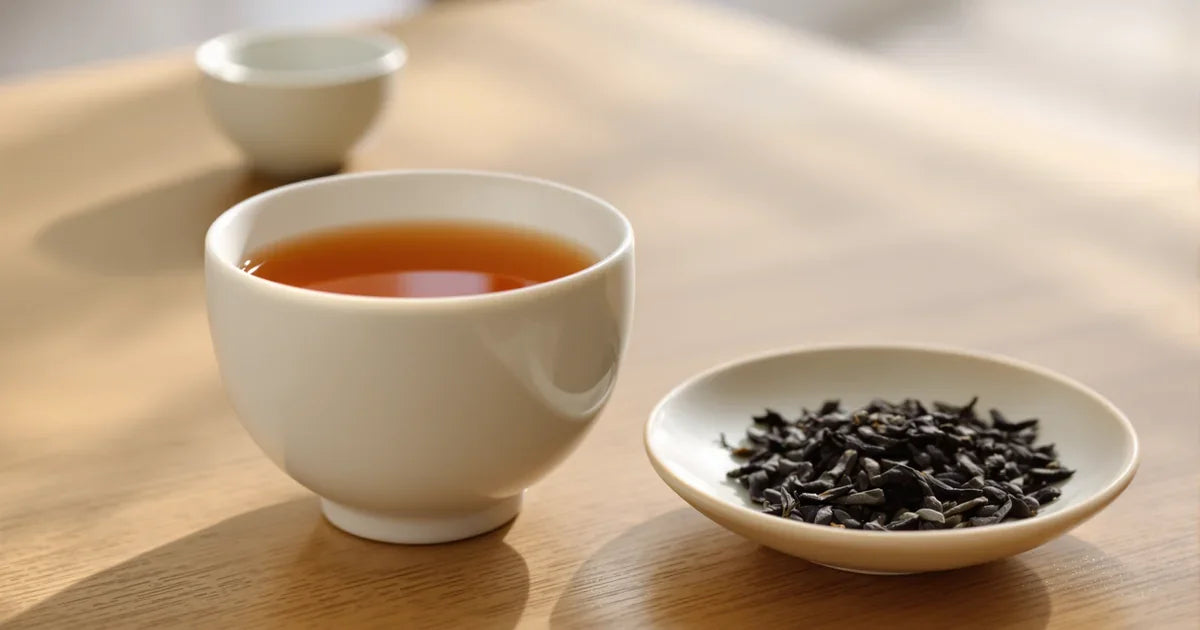
Yes, black tea has caffeine. The European Food Safety Authority (EFSA) puts a 220mL cup at about 50mg in its 2015 fig...
Updated Oct 2026
Read
Japanese Tea Encyclopedia
How to brew, which cultivar, where it grows, and why it tastes the way it does. Written from our experience sourcing and drinking Japanese tea.
Yes, black tea has caffeine. The European Food Safety Authority (EFSA) puts a 220mL cup at about 50mg in its 2015 fig...
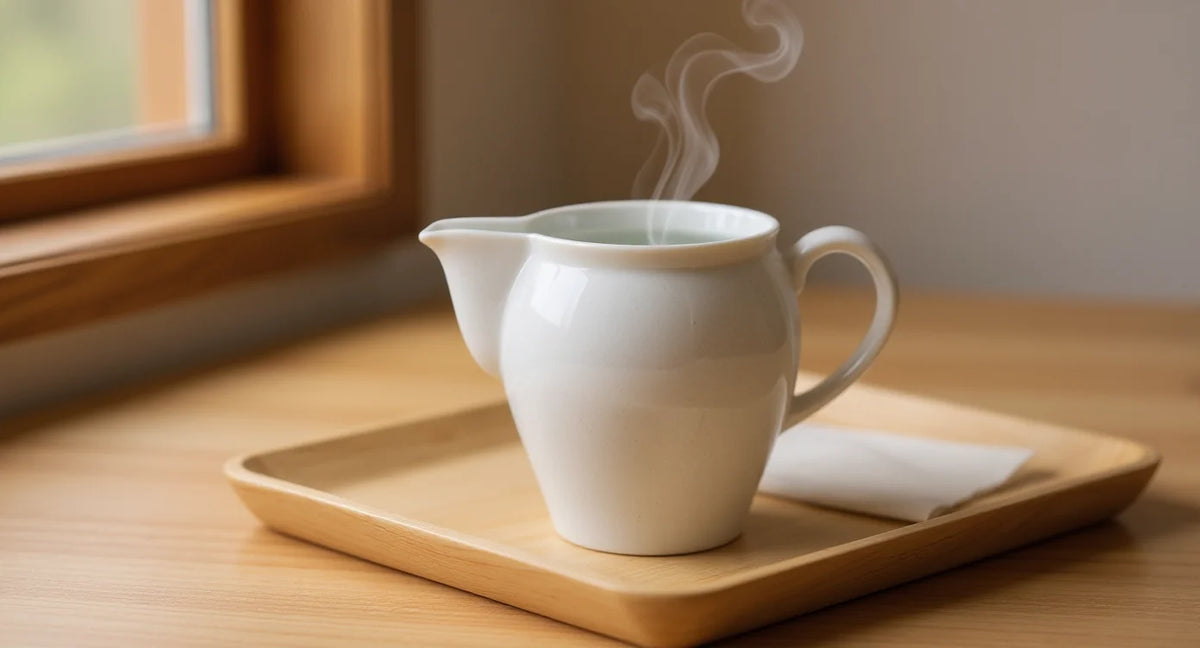
The small spouted bowl that came with your Japanese tea set is probably a yuzamashi, a water cooler for tea. It sits ...
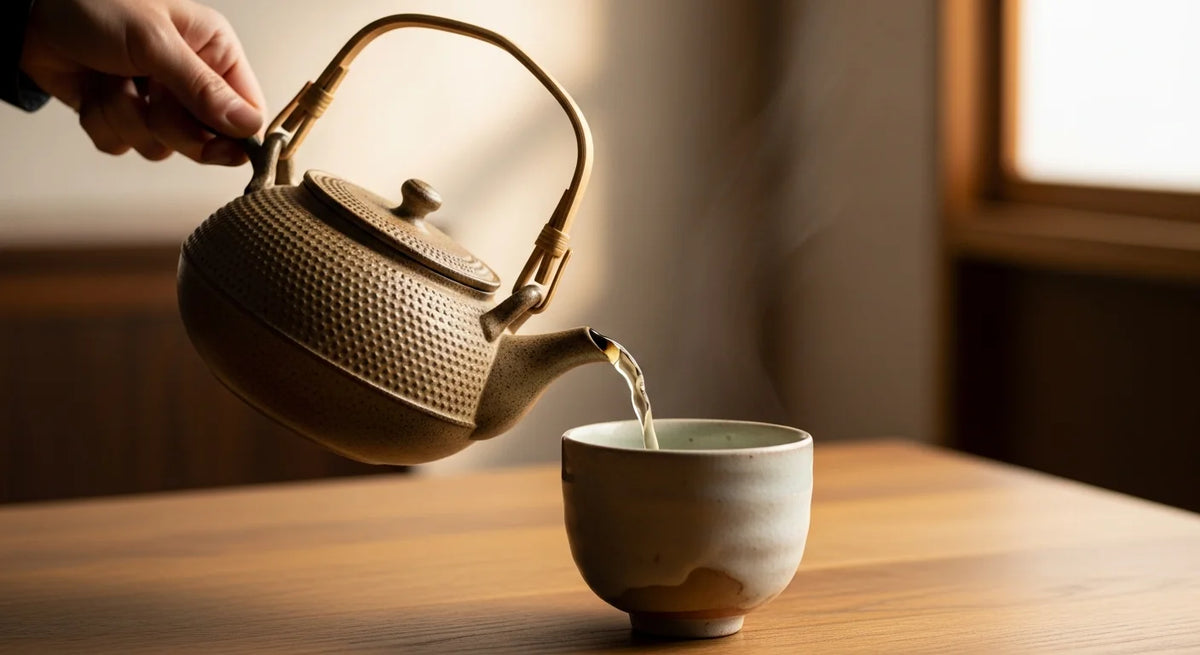
The smallest pour in Japanese tea can feel the most deliberate: water cooled until it is warm rather than hot, leaves...
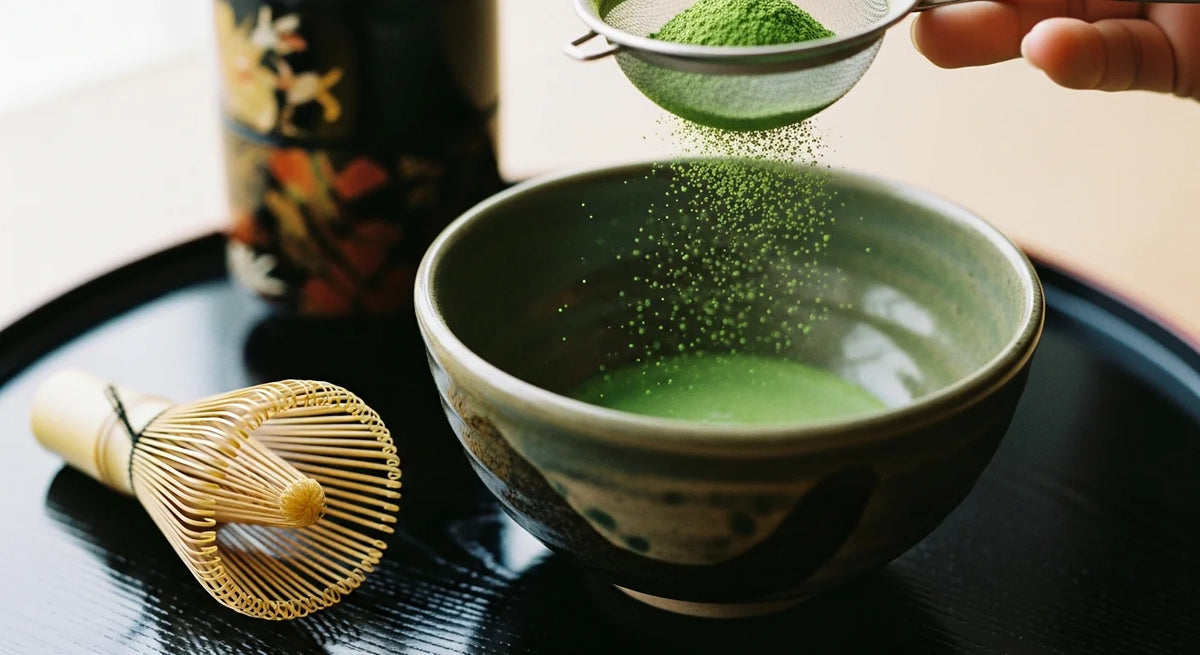
The powder looks the same in the photo. Bright green, finely milled, scooped into a bowl. One tin says Uji. Another s...
A thin ribbon of bright green poured into warm milk. The color blooms. The surface goes pale jade, then settles, and ...
Steam rising from a small cup. The color somewhere between pale jade and sunlit grass. A sip that tastes clean — vege...
Yes, Matcha has caffeine. If you have been asking does Matcha have caffeine, or how much caffeine in Matcha, a bowl m...
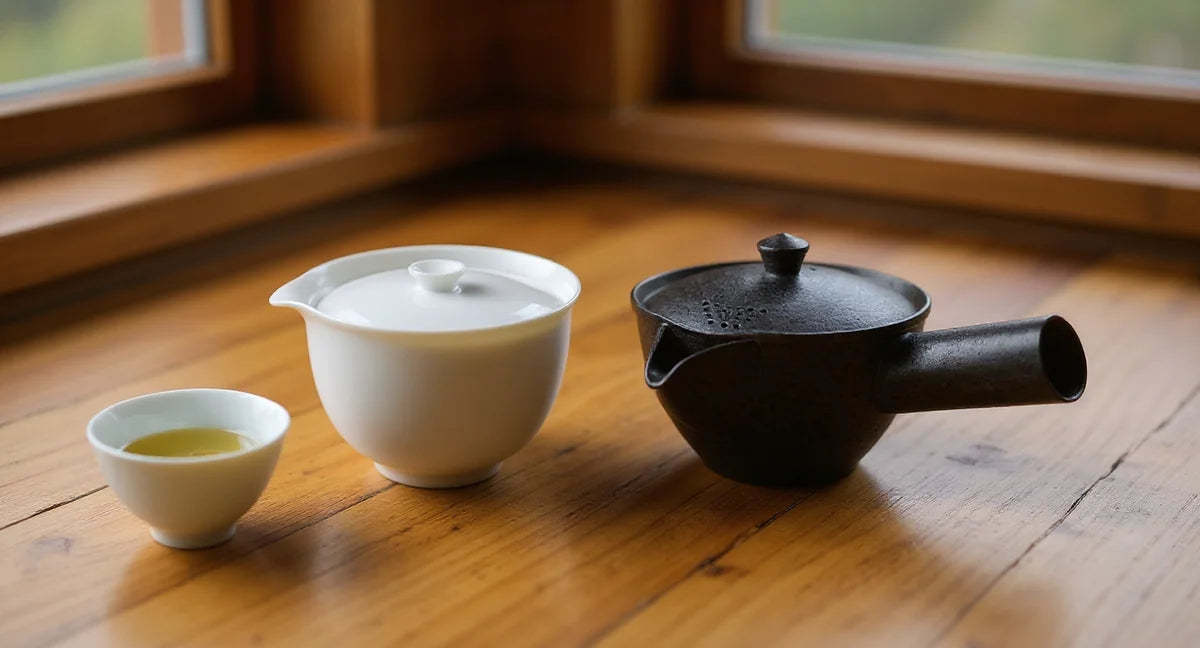
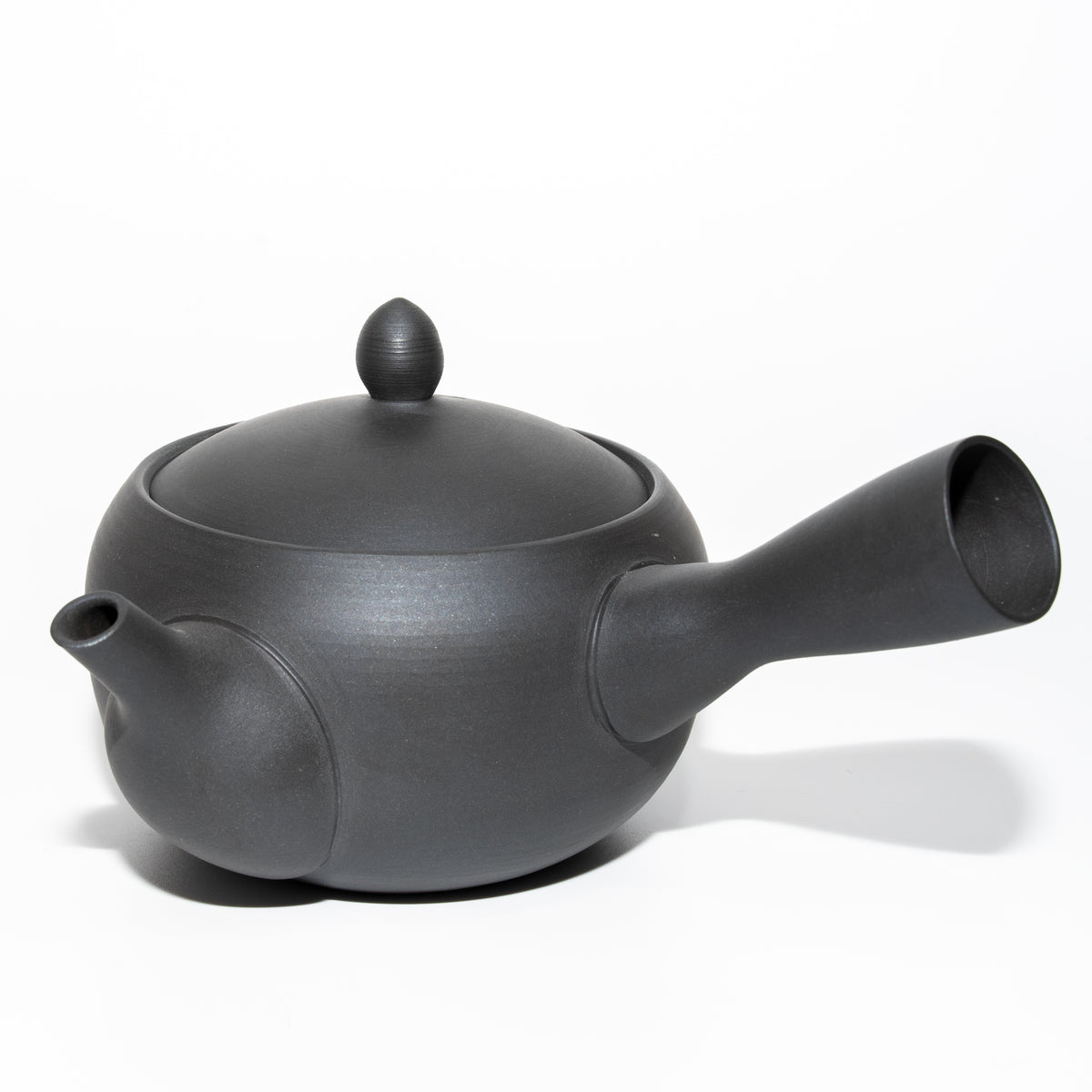
The first thing you notice is the weight. A clay body warm from the rinse water, a lid held steady with the thumb, th...
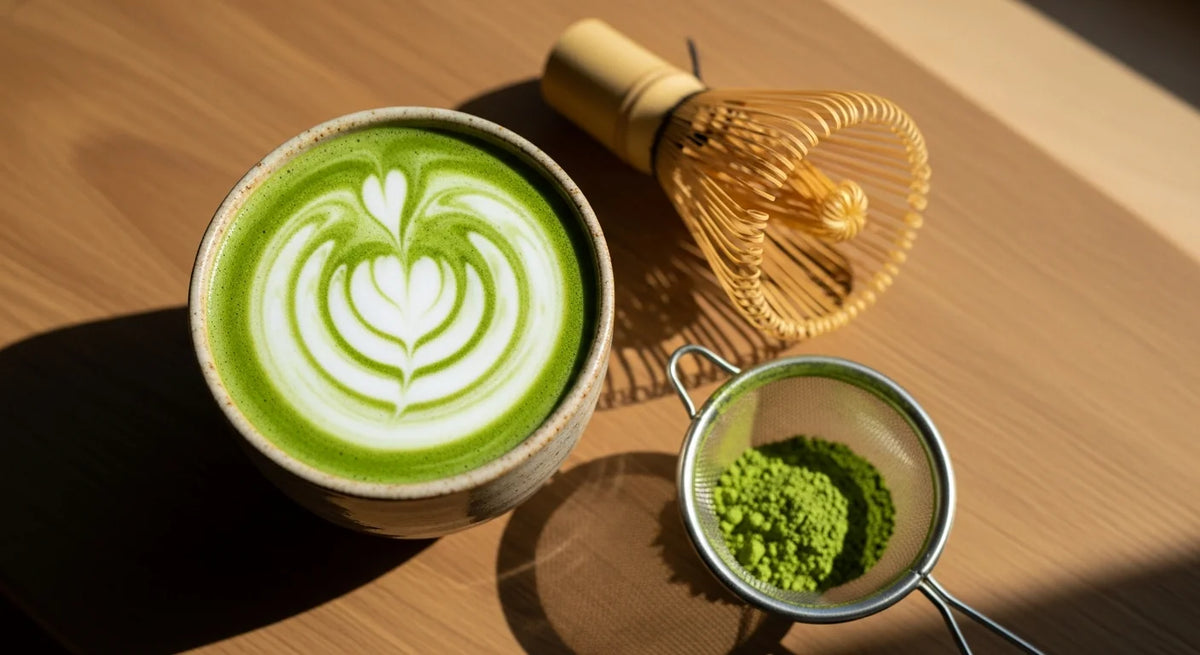
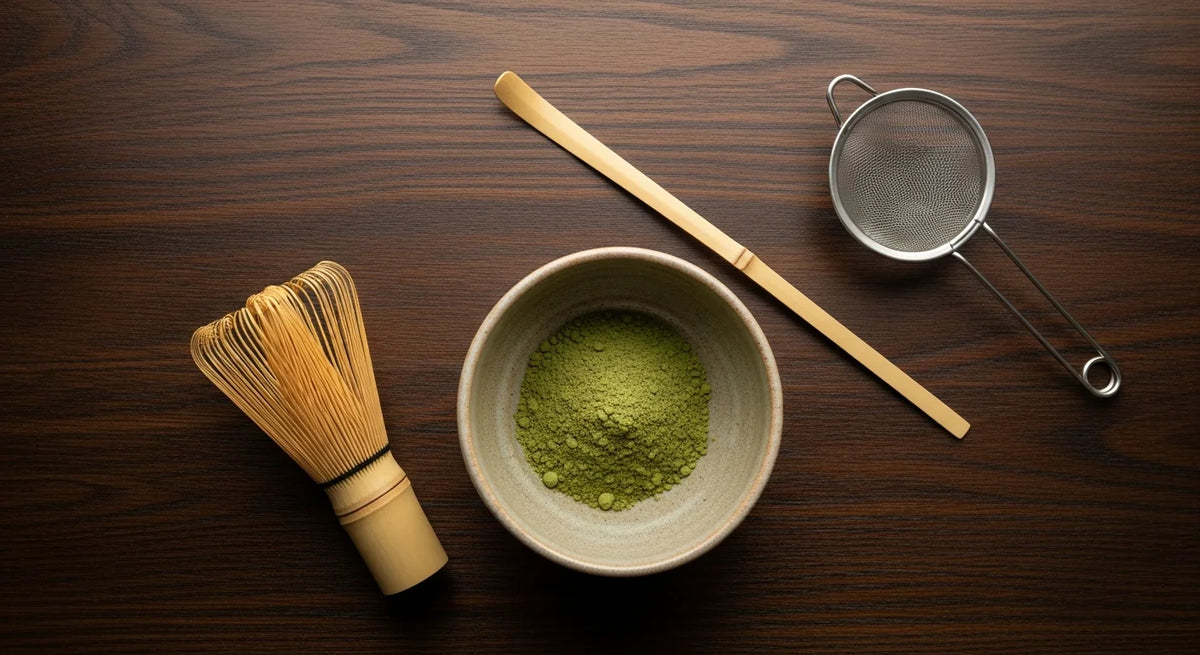
The tools look modest when they are laid out together: a bamboo Matcha whisk, or chasen, beside a wide Matcha bowl, o...
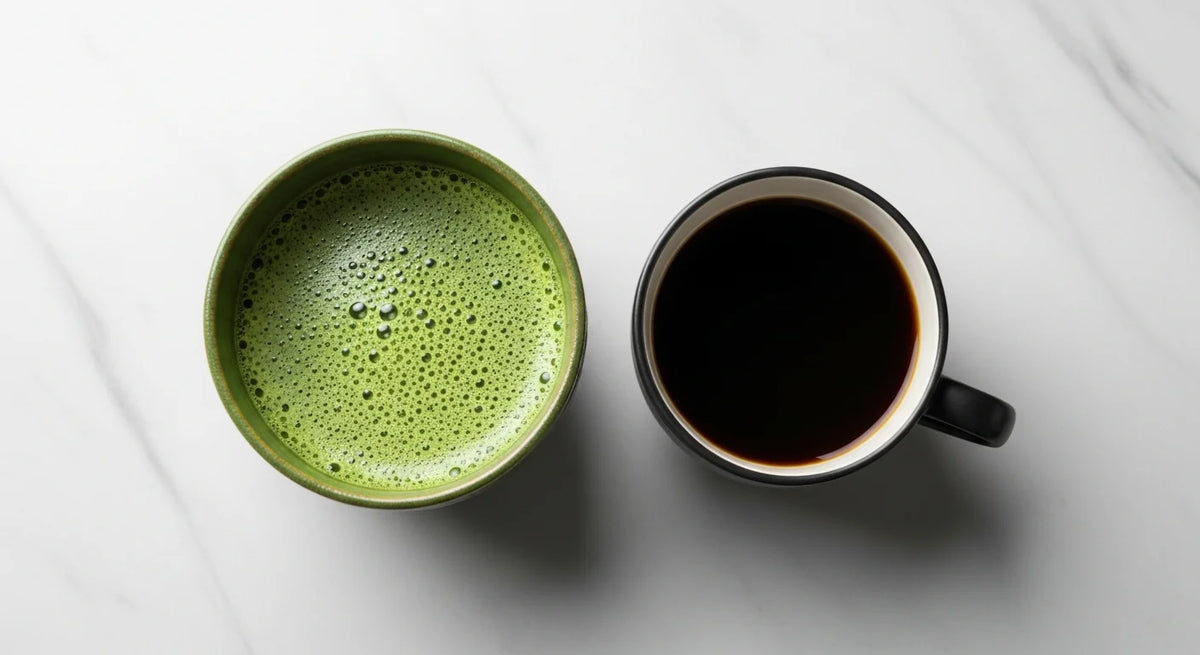
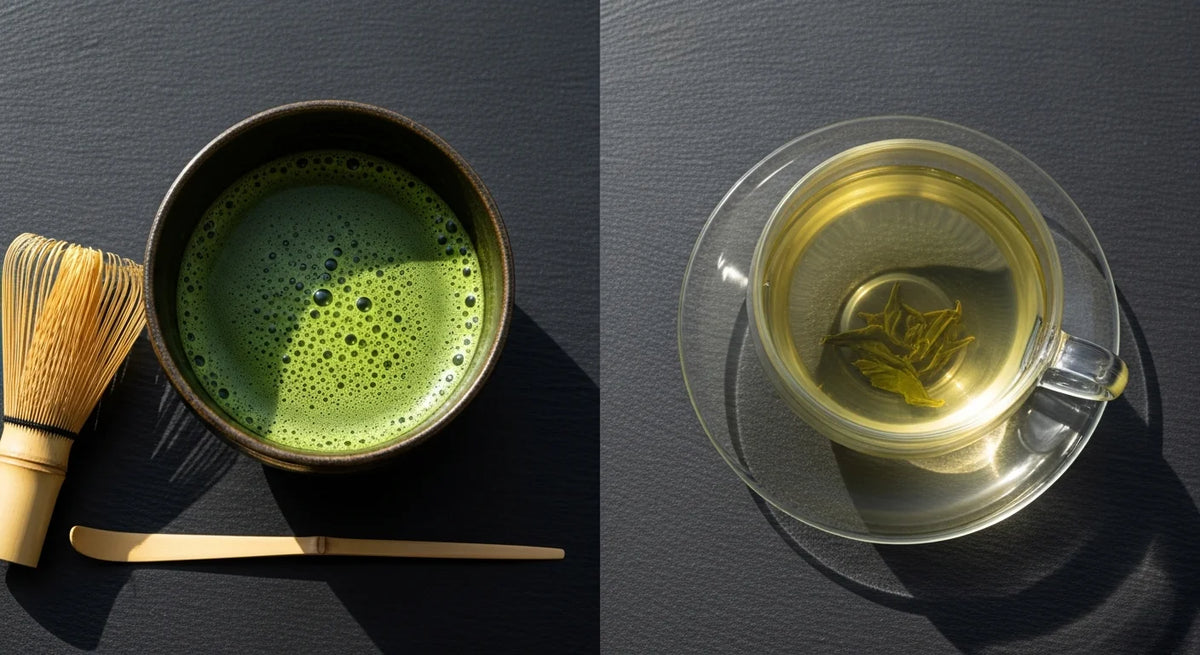
Powder in a bowl. Leaves in a teapot. A bright green latte on one side of the counter, a clear yellow-green cup on th...
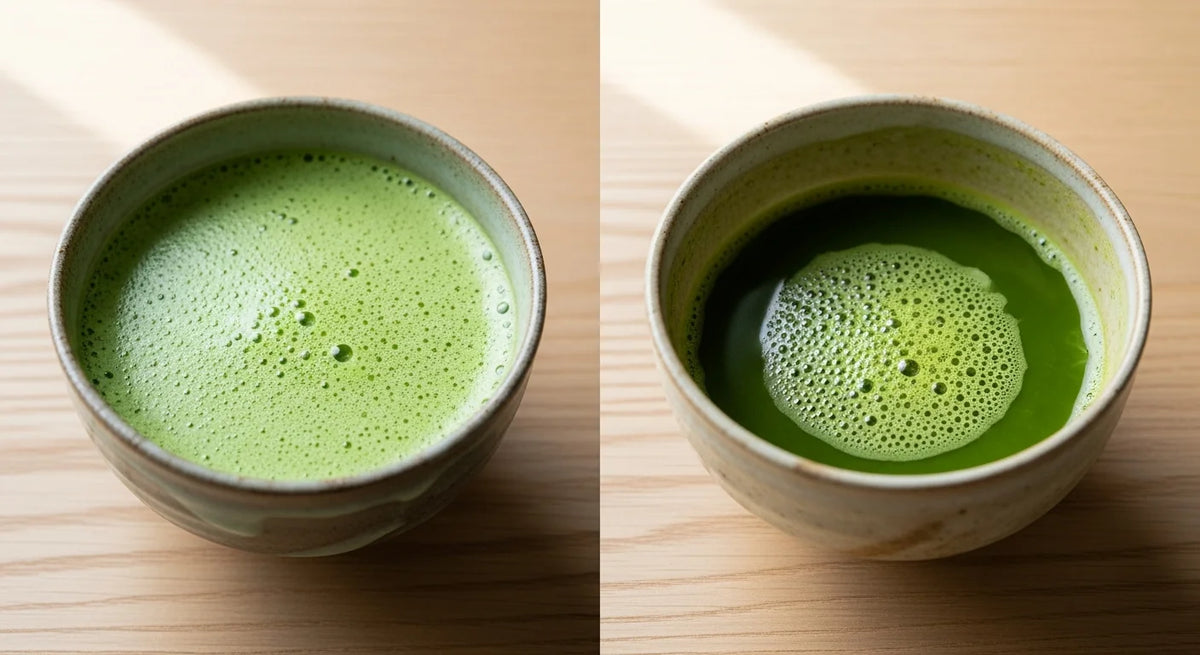
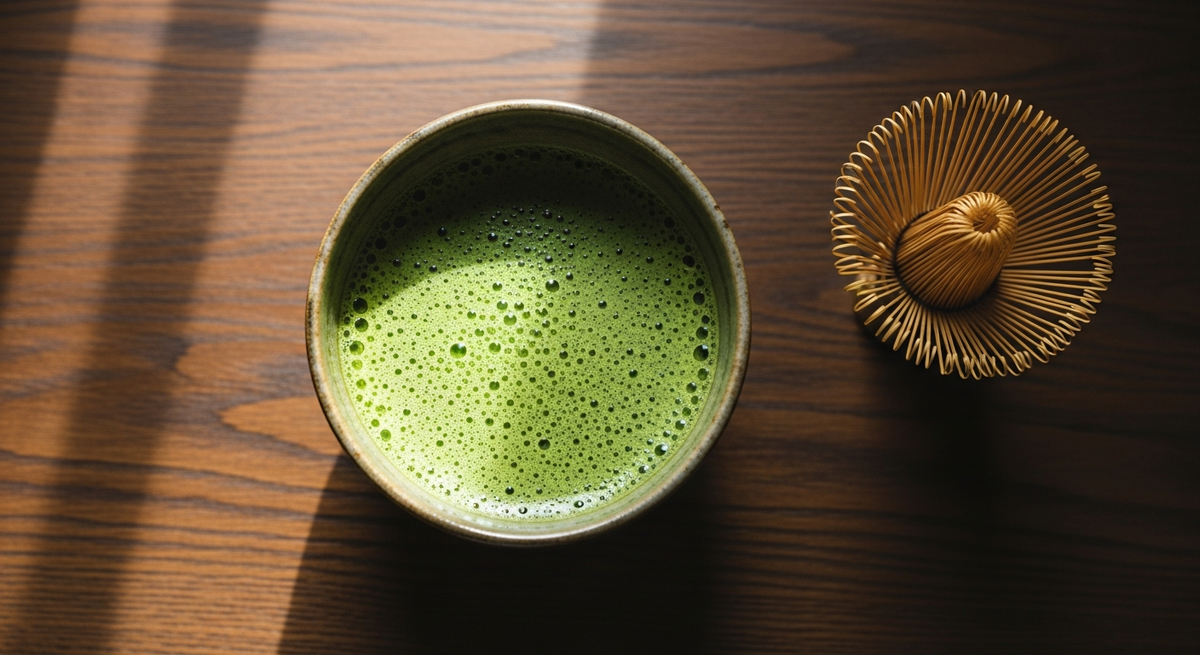
The green arrives first. Bright, almost wet-looking. Then the scent rises from the bowl, marine and sweet, with a lit...
The bowl glows vivid green, the foam sits soft on the surface, and the first sip spreads savory sweetness across the ...
Put it into practice
Handcrafted teaware from seven Japanese kilns — and the stories of the people who make it.