
Fog rolls down from the mountains before dawn. By the time it reaches the valley floor along the Yabe River, it has settled into something dense enough to blur the edges of the tea fields — a natural shading that complements the cloth canopies stretched over the Gyokuro rows below. This is Yame, and this is why the tea grown here keeps winning.
Yame tea (八女茶, Yamecha) is grown in Yame City and the surrounding areas of Fukuoka Prefecture, in the southwest of Kyushu. Fukuoka is also home to Takatori ware tea ceramics. While Fukuoka produces only around 2% of Japan's total green tea by volume, according to MAFF crop statistics (Reiwa 5), its reputation for quality — especially Gyokuro — is disproportionately large. The tea-growing regions of Japan include many excellent prefectures, but Yame Gyokuro has a particular distinction: it has won the top prize at Japan's National Tea Competition more times than any other single region.
What Is Yame Tea?
Yame tea covers several styles, from Gyokuro and Kabusecha to Sencha and Matcha. What unifies them is the shared geography: the Yame basin, enclosed by mountains, fed by river mist, and planted across steep hillside slopes that drain well and absorb heat evenly.
Fukuoka growers use cultivars such as Yabukita, Saemidori, Asatsuyu, and Okumidori across different garden styles.
| Type | Character | Cultivation |
|---|---|---|
| Gyokuro | Deep umami, sweetness, seaweed-like aroma, minimal bitterness | Shaded 20–30 days before harvest |
| Kabusecha | Lighter than Gyokuro, balance of umami and fresh green | Shaded 5–14 days before harvest |
| Sencha | Balanced astringency and umami, clean green finish | Full sun cultivation |
| Matcha | Rich, smooth, fine powder ground from shaded Tencha | Shaded, then stone-ground |
The umami in Gyokuro comes from L-theanine, an amino acid that accumulates in leaves when they are shaded. Without sunlight, the conversion of theanine into catechins (astringency) is slowed — leaving the leaf sweeter and more savory. Covered cultivation is the technique behind this, and Yame has mastered it over decades of refinement.
Climate and Geography
The Yame basin sits inland and at altitude, enclosed by the Chikugo Highlands. This geography creates two conditions that matter enormously for tea: morning fog and temperature swing.
Cool air flows down from the surrounding mountains overnight, collecting in the valley as dense mist by morning. This natural shading softens the intensity of early sunlight. The combination of natural fog and human-applied shade cloth gives Yame Gyokuro an exceptionally long shading period compared to other regions.
The hillside cultivation itself also helps. Steep slopes drain quickly, preventing waterlogging at the roots. They also reduce frost risk, since cold air drains downward rather than settling on the leaves. The red clay soil of the Yabe River basin retains moisture while staying aerated — conditions the tea plant's root system thrives in.
History of Yame Tea
The origin of tea cultivation in Fukuoka is traced to around 1423, when a Zen monk named Shūzui returned from China and planted tea at Reigenji temple in what is now Kurokimachi. He reportedly taught local village headman Matsuo Taro Goro Hisaie how to grow and process kamairicha (pan-fired tea) — marking the beginning of Fukuoka's tea history.
By the middle of the Edo period, small quantities of kamairicha were being shipped from Yame to Kyoto and Osaka. For centuries, the area produced mainly kamairicha in small quantities, most of which stayed in local circulation around Kurume. It wasn't until the Meiji era that Yame Gyokuro emerged as a distinct product. The head priest of Kiyomizudera temple in present-day Miyama established a training facility to teach Gyokuro cultivation and processing methods, spreading the knowledge through the region.
While Japan's export tea market evolved in the early 20th century, the scattered local brands were consolidated under the unified "Yamecha" name. Advances in tea processing during the Taishō era prompted that consolidation, establishing the regional brand that continues today. The National Tea Competition became the proving ground. Yame's record there — repeated first-place finishes in the Gyokuro category — cemented the region's reputation nationally and internationally.
We discuss this historical background in more detail in our history of tea in the Muromachi and Azuchi-Momoyama periods.
Elsewhere in Fukuoka, Niikawa Tea Factory in Ukiha shows organic tea growing on reclaimed rice terraces.
Choosing and brewing Yame tea
To bring out Yame tea's character, match the water temperature and steeping time to the type of tea. Gyokuro's umami stands out when you brew it slowly at a low temperature.
| Type | Water temperature | Leaf amount (for one person) | Steeping time |
|---|---|---|---|
| Gyokuro | 40–50 °C | 4–6g | 90–120 seconds |
| Kabusecha | 60–70°C | 3–5g | 60–90 seconds |
| Sencha | 70–80°C | 2–4g | 45–60 seconds |
Temperature guidance varies by producer and product: a Fukuoka Prefecture producer interview recommends about 40–45 °C for Yame's traditional Hon-Gyokuro, while JA Fukuoka Yame's general Gyokuro recipe uses about 50–60 °C.
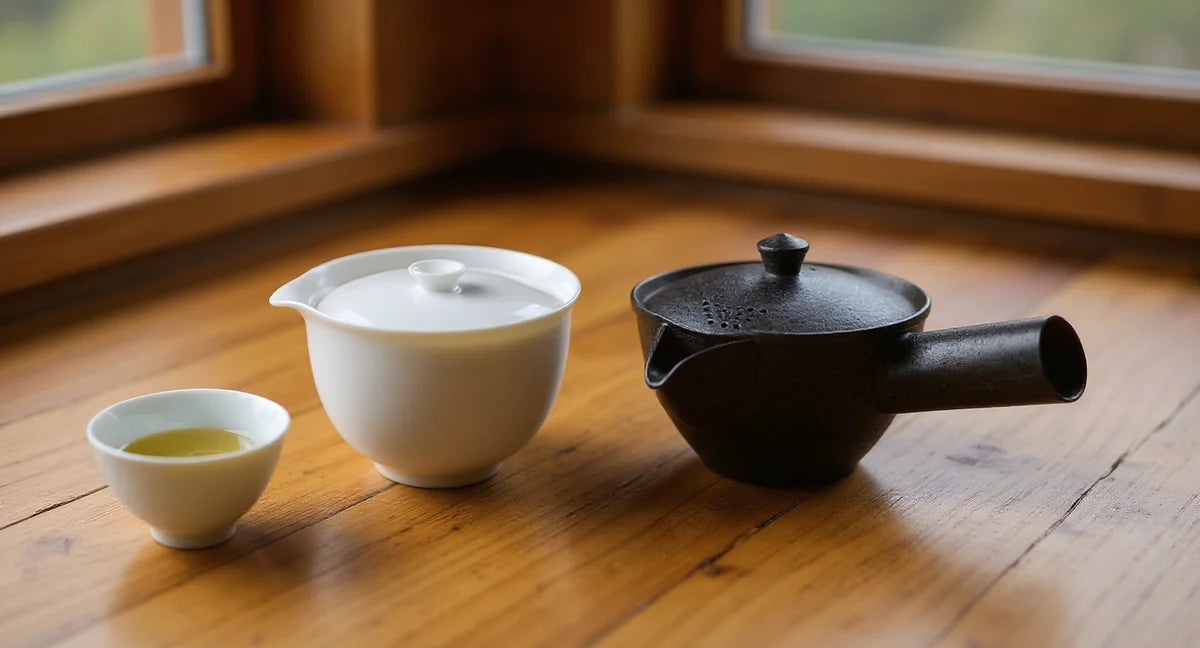
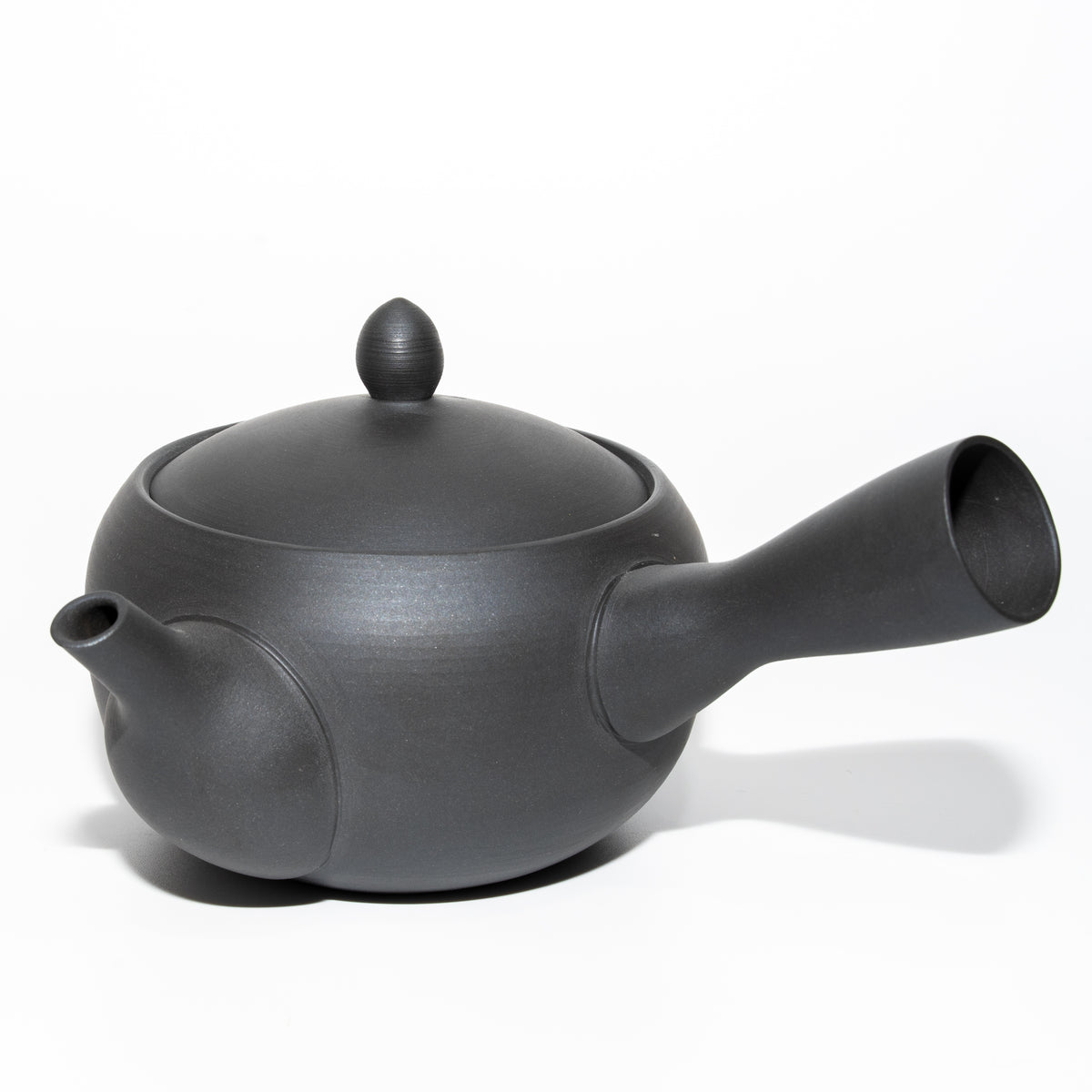
Sencha is easy to enjoy with water at 70–80°C. Brewing at a slightly higher temperature gives a cup with a balance of refreshing astringency and umami. After steeping in a Kyusu, pour out every last drop to keep the flavor consistent from the second steep onward.
At FETC
At FETC, whenever we work with a tea that expresses its region's character, such as Yame tea, we feel the depth of flavor that the land, climate, and people's work create together.
Explore Gyokuro and premium Sencha from Fukuoka in our Japanese tea collection. We bring you teas directly from their regions and share the background of each place.
Frequently Asked Questions
What makes Yame Gyokuro special?
Yame Gyokuro benefits from the combined effect of natural valley fog and traditional shading techniques, resulting in leaves with high theanine content. Its repeated National Tea Competition wins have cemented the region’s reputation.
Is Yame tea the same as Fukuoka tea?
Yame tea refers specifically to tea grown in and around Yame City in Fukuoka Prefecture. Fukuoka also has tea growing in Ukiha.
What is Yame Gyokuro’s character?
Yame Gyokuro has deep umami, sweetness, a seaweed-like aroma, and minimal bitterness. Explore Gyokuro and premium Sencha from Fukuoka in our Japanese tea collection .
What gives Yame tea its regional character?
Yame tea benefits from natural morning fog, an enclosed basin, and steep hillside slopes. It has built a particular reputation for Gyokuro — earning top prizes at Japan's National Tea Competition more times than any other single region.