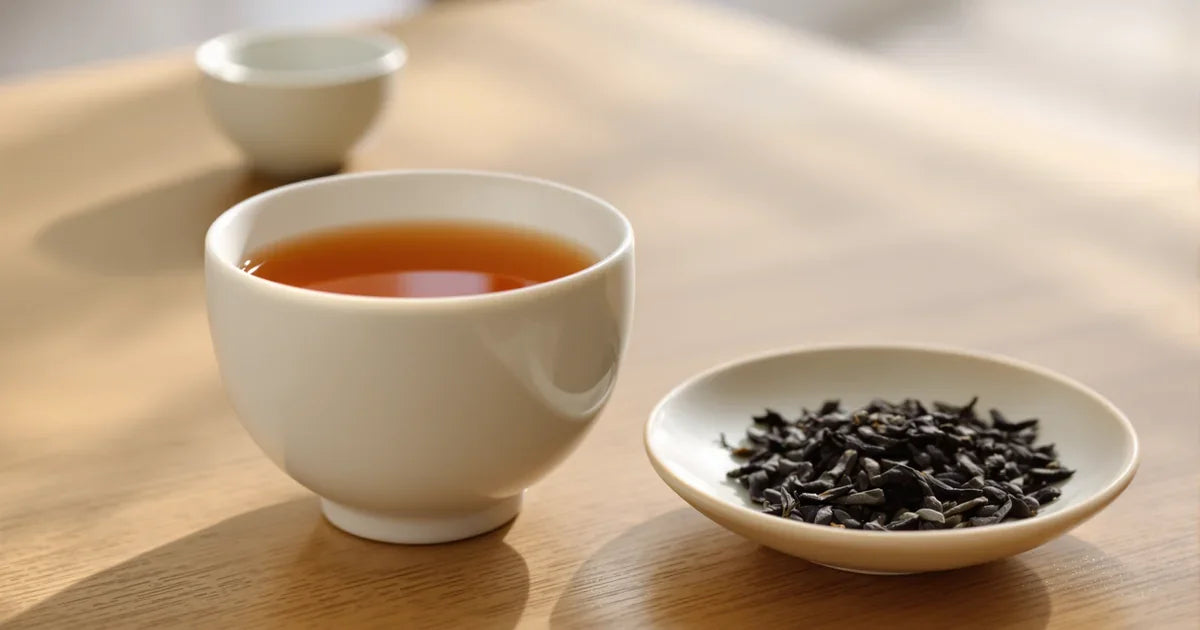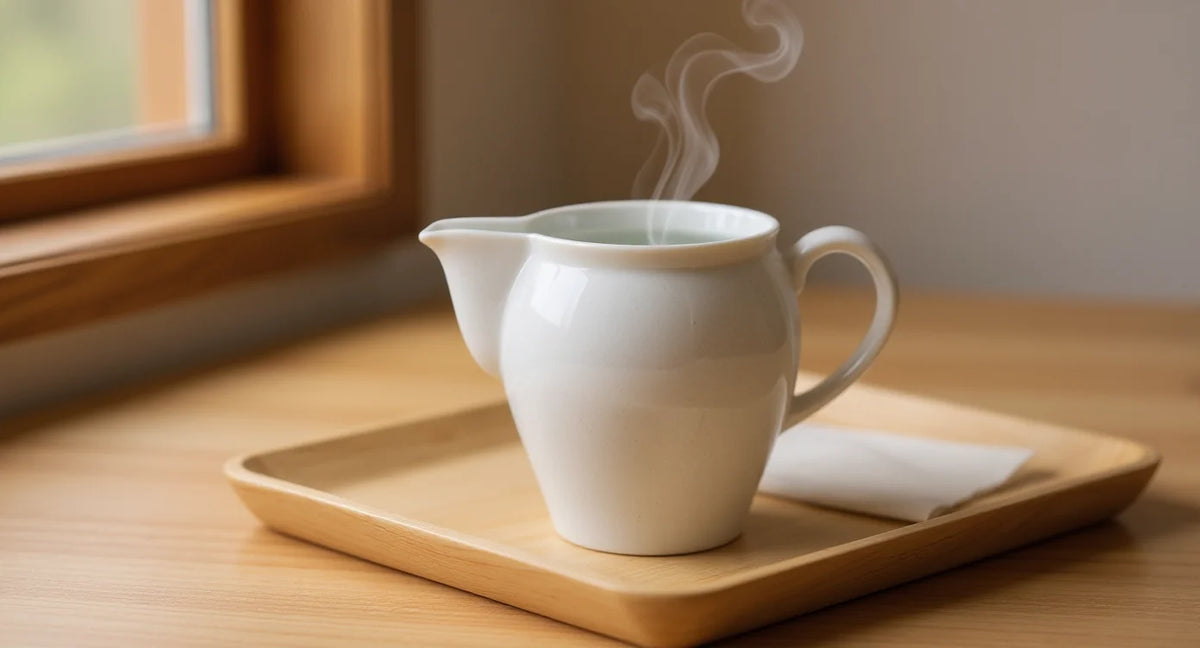

The cup pours a deep amber, almost mahogany at the edges, and the steam carries that familiar malt before anything else. Black tea brewed well is one of the simplest pleasures in the tea world — and also one of the most forgiving. The basic answer: boiling water (100°C), 2–5g of leaf per 200mL, steeped for 3–5 minutes. Everything else is adjustment.
The basics — water, temperature, and time
Black tea is fully oxidized. That transformation — the enzymatic browning that turns green leaves to dark red-brown — means the leaves need high heat to open up and release their compounds properly. Tepid water will not do it. You want a full, rolling boil.
Water quality matters more than most people expect. Soft water — low in calcium and magnesium — extracts cleanly, letting the tea's natural character come through. Hard water can flatten the flavor and reduce the brightness that makes a good Darjeeling sing. In Japan, tap water is naturally soft and works well. If you are elsewhere and your water is noticeably mineral-heavy, filtered water helps.
| Tea type | Temperature | Steep time | Leaf per 200mL |
|---|---|---|---|
| CTC (Assam, everyday blends) | 100°C | 3–4 min | 2–3g |
| Orthodox whole leaf (Assam, Ceylon) | 95–100°C | 4–5 min | 2–3g |
| Darjeeling first flush | 90–95°C | 2–3 min | 2g |
| Japanese black tea (Wakoucha) | 90–95°C | 2–3 min | 2–3g |
Darjeeling first flush — with its delicate muscatel and floral notes — responds better to slightly lower temperatures. Push it to a full boil and you lose the brightness. Assam CTC, built for milk tea, wants the full hundred degrees and enough time to give you body and color worth pouring over ice or into milk.
Step-by-step brewing guide
The process is straightforward. Each step has a reason.
Step 1 — Preheat your teapot and cups. Pour boiling water in, swirl, discard. A cold vessel drops water temperature fast, and you want the leaves to meet heat from the first second. This step takes 30 seconds and makes a noticeable difference.
Step 2 — Measure your leaf. About 2–3g per 200mL is the standard range. For milk tea you can go toward 3g; for a delicate first-flush Darjeeling, stay lighter. A small kitchen scale is more reliable than "one heaped teaspoon," which can vary by 50% depending on leaf size.
Step 3 — Pour fresh boiling water. Fresh water — not water that has been sitting and reboiled — holds more dissolved oxygen, which rounds out the flavor. Pour in one steady motion. You may notice the leaves begin to agitate and circulate as the water enters — this is sometimes called "jumping" and it means the convection currents are drawing the leaves through the water evenly. No need to force it; just pour normally.
Step 4 — Steep, covered. Put the lid on. Keeping the heat in matters. Set a timer — the single most common mistake in black tea brewing is over-steeping by inattention. Two and a half minutes for small CTC leaves, three to four for medium orthodox, four to five for large whole-leaf.
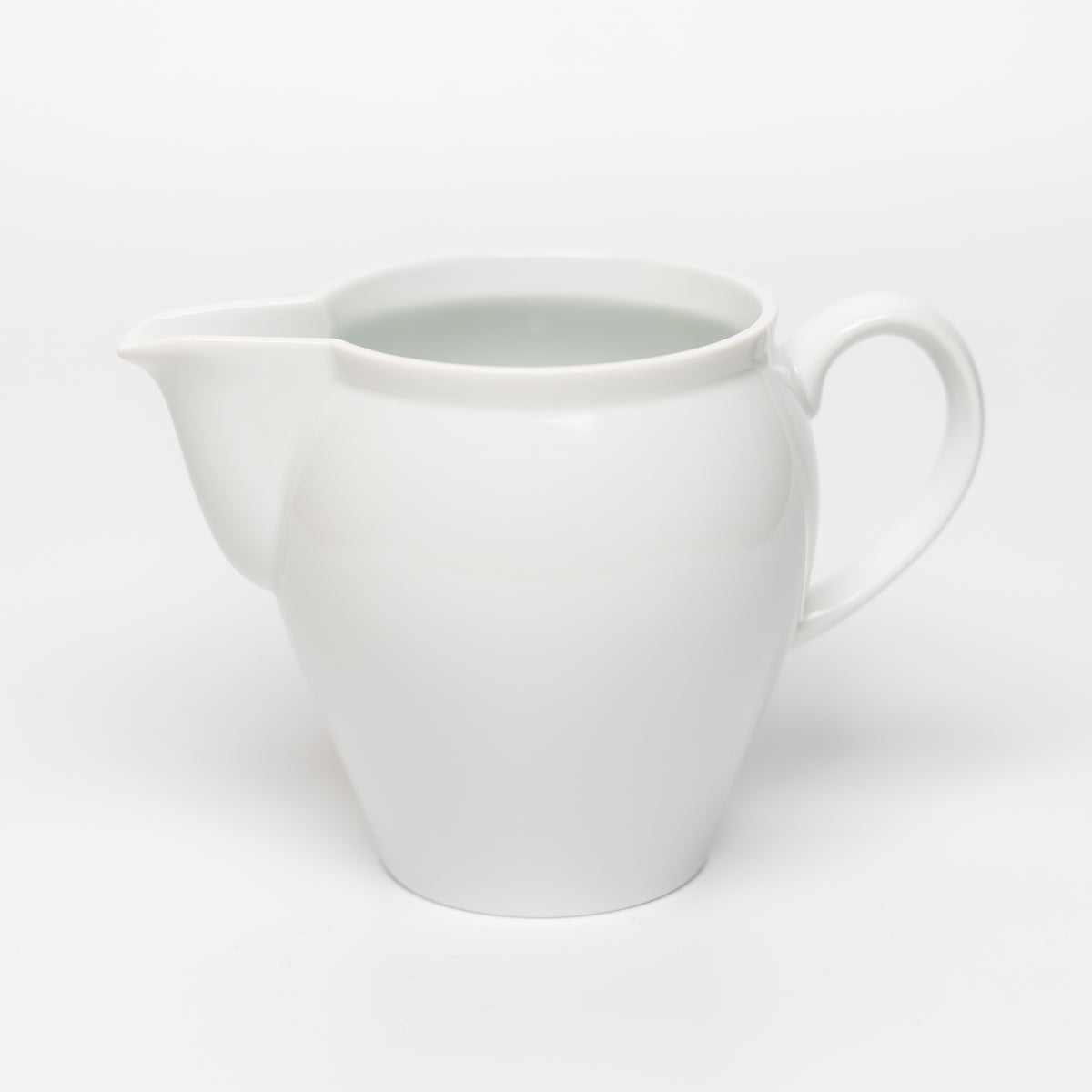
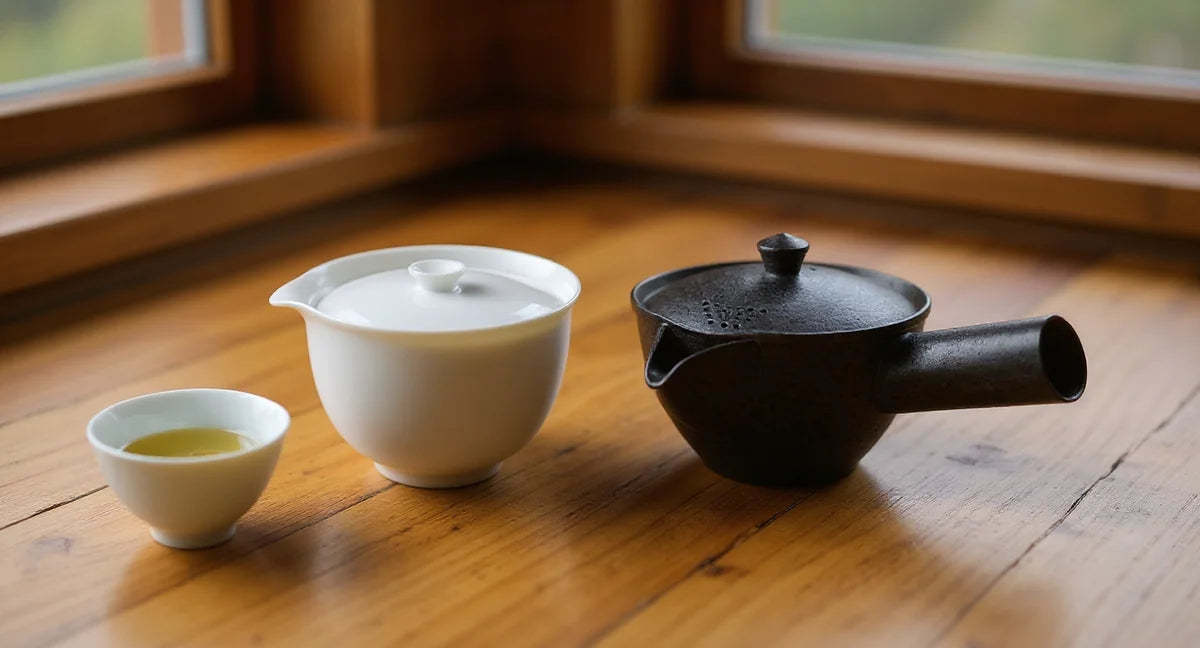
Step 5 — Pour off completely. Once the time is up, pour the entire contents out through a strainer. If you leave leaves sitting in water, the last few minutes of steeping happen in the cup and bitterness follows. Using a tea server (a second vessel to receive the poured tea) keeps everything at the right extraction level when you are making multiple cups.
Troubleshooting — when the cup is off
Bitter and harsh: almost always over-steeped, or water too hot for the leaf type. Reduce time first, then temperature if it persists. Darjeeling brewed at 100°C for five minutes will be unpleasant no matter what.
Flat and thin: under-steeped, or too little leaf. Add 30 seconds, or measure your leaf more carefully — many people use less than they think they do.
Good color but weak flavor: water may be the issue. If you are using very hard water, try filtered. The minerals that make hard water "hard" can bind to tannins and prevent proper extraction.
Astringent but not bitter: this is actually the natural character of some teas, particularly Assam. If it bothers you, a splash of milk softens it considerably without masking the malt.
What to try next
Milk tea is the obvious next step with an Assam — a strong CTC brew poured over cold milk, or the other way around (milk in first, then tea — a long-standing debate in British tea culture, with actual sensory consequences). Cold-brewed black tea is also worth trying: cold water over leaves for eight to twelve hours in the fridge produces a smooth, naturally sweet cup with almost no bitterness, because the lower temperature slows tannin extraction. And if you have access to a good Darjeeling first flush, try it gongfu-style — small vessel, short steeps, letting the leaf open gradually over four or five infusions.
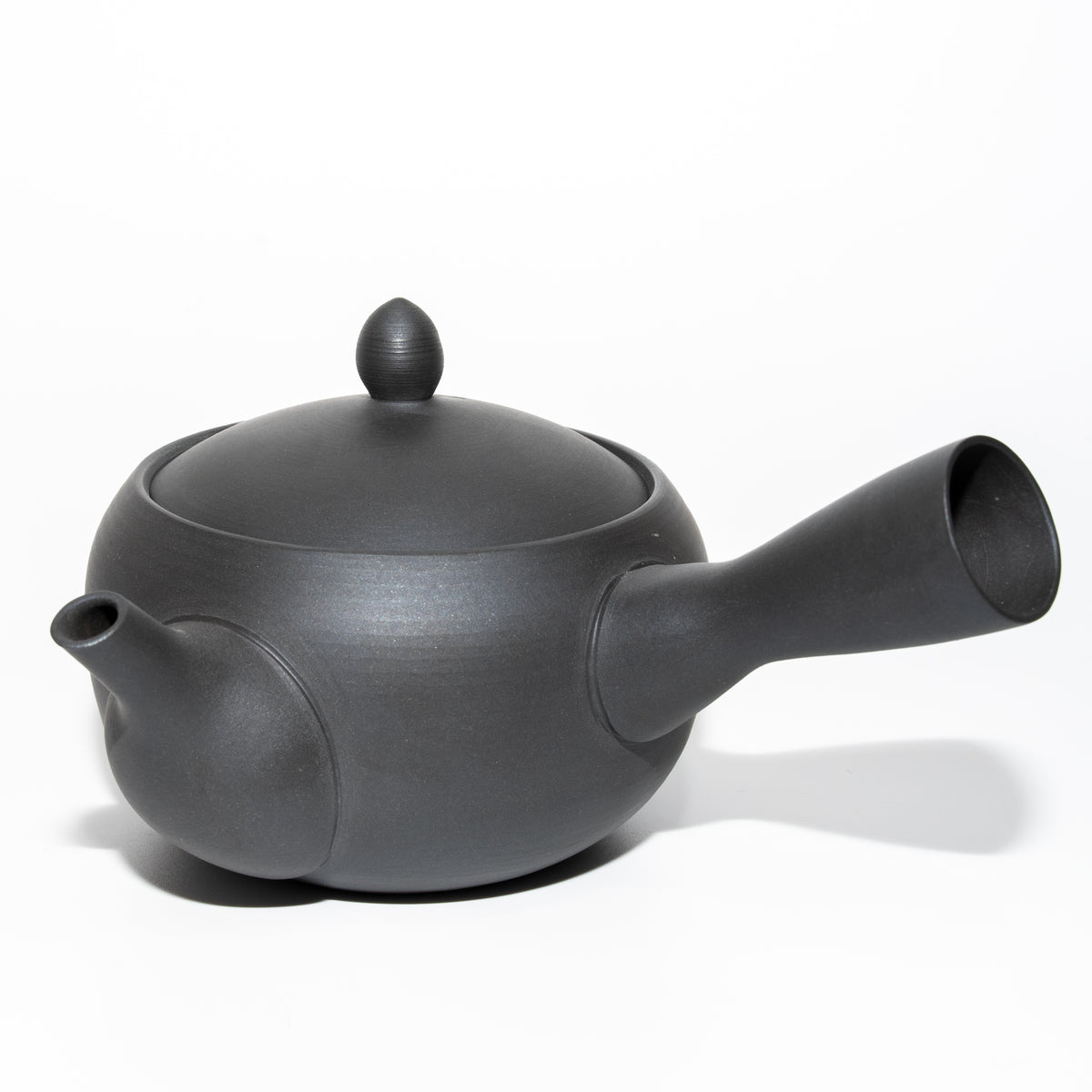
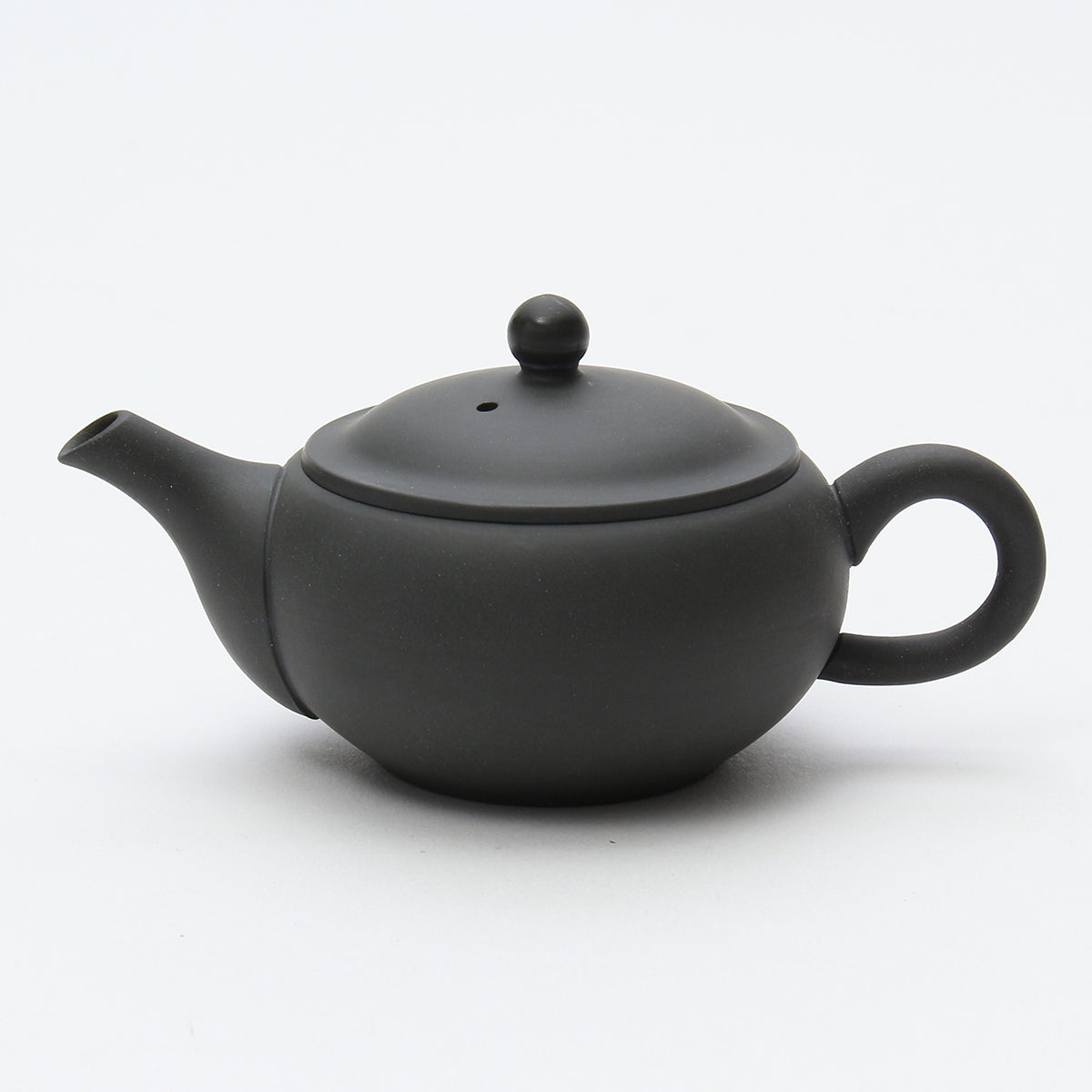
More on the character of black tea as a category, the compounds that shape its flavor, and the main black tea types worth knowing. The relationship between water temperature and extraction applies across all tea types and is worth reading alongside this guide. For teapot selection, our teaware materials guide covers what different materials do to the brew.
Different leaves, different steeps. A small adjustment — thirty seconds, five degrees — changes the cup entirely. That is what makes it worth paying attention to.
A good pot makes the difference. See our teaware if you are looking to upgrade.
Frequently Asked Questions
What is the best starting point for brewing black tea?
We start with 100°C water, 2–3g of leaf per 200mL, and 3–5 minutes covered in a warmed teapot. From there, adjust time, leaf amount, or temperature to match the tea and your taste.
Why does black tea usually need boiling water?
Black tea is fully oxidized, so high heat helps the leaves open and release flavor, color, tannins, and aroma. Tepid water tends to make the cup flat, especially with Assam or everyday blends.
How should I brew Darjeeling first flush differently?
Darjeeling first flush is more delicate than most black tea. Use 90–95°C water, about 2g per 200mL, and steep for 2–3 minutes so the muscatel and floral notes stay bright.
What is the most common beginner mistake when brewing black tea?
The biggest mistake is forgetting the timer and over-steeping. If the cup tastes bitter or harsh, shorten the steep first; if it still feels rough, lower the water temperature.
Why should I pour all the tea out of the pot?
Leaves keep extracting as long as they sit in water, so leaving tea in the pot can make the final cups bitter. Pour everything through a strainer or into a tea server when the timer ends.