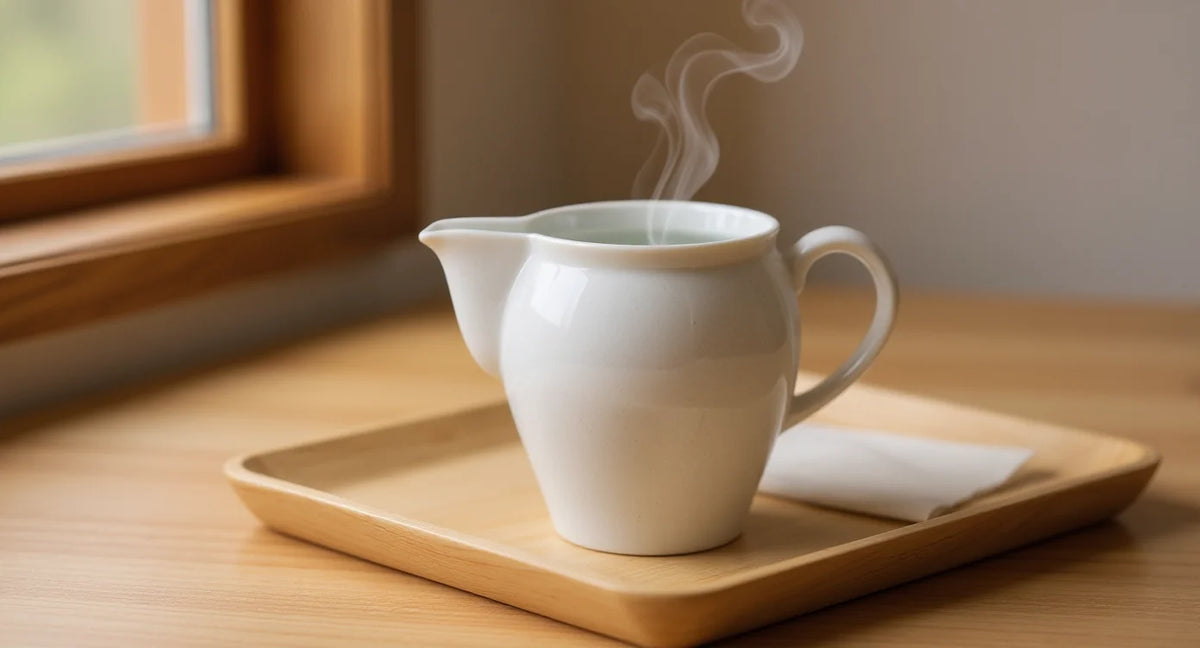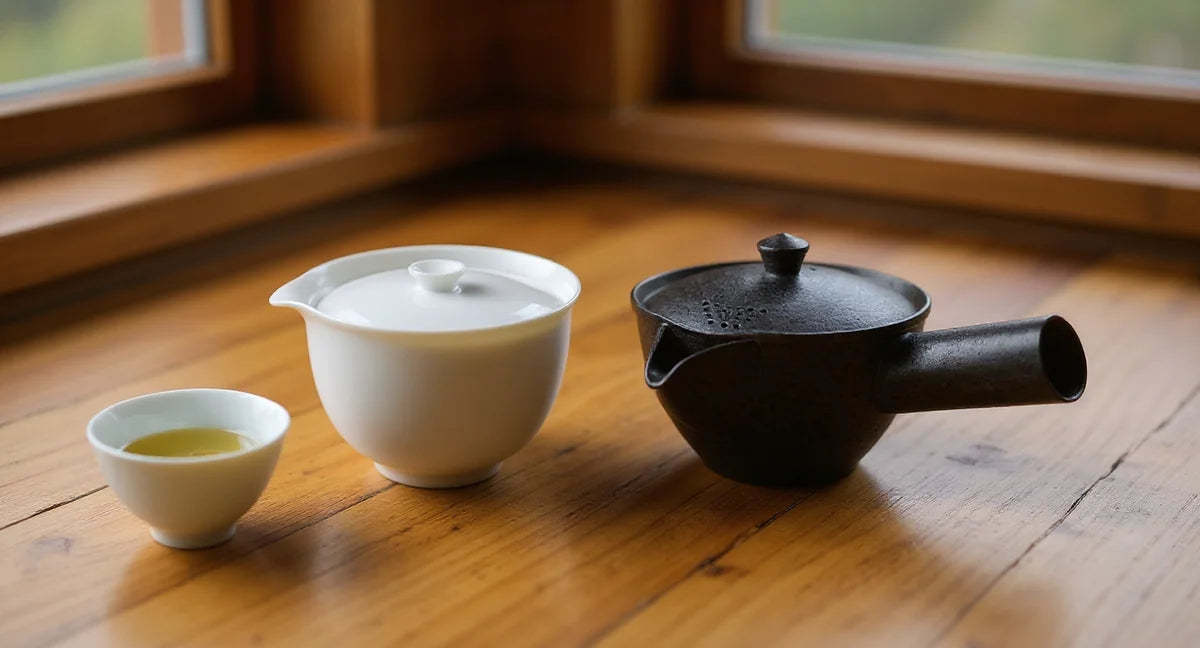
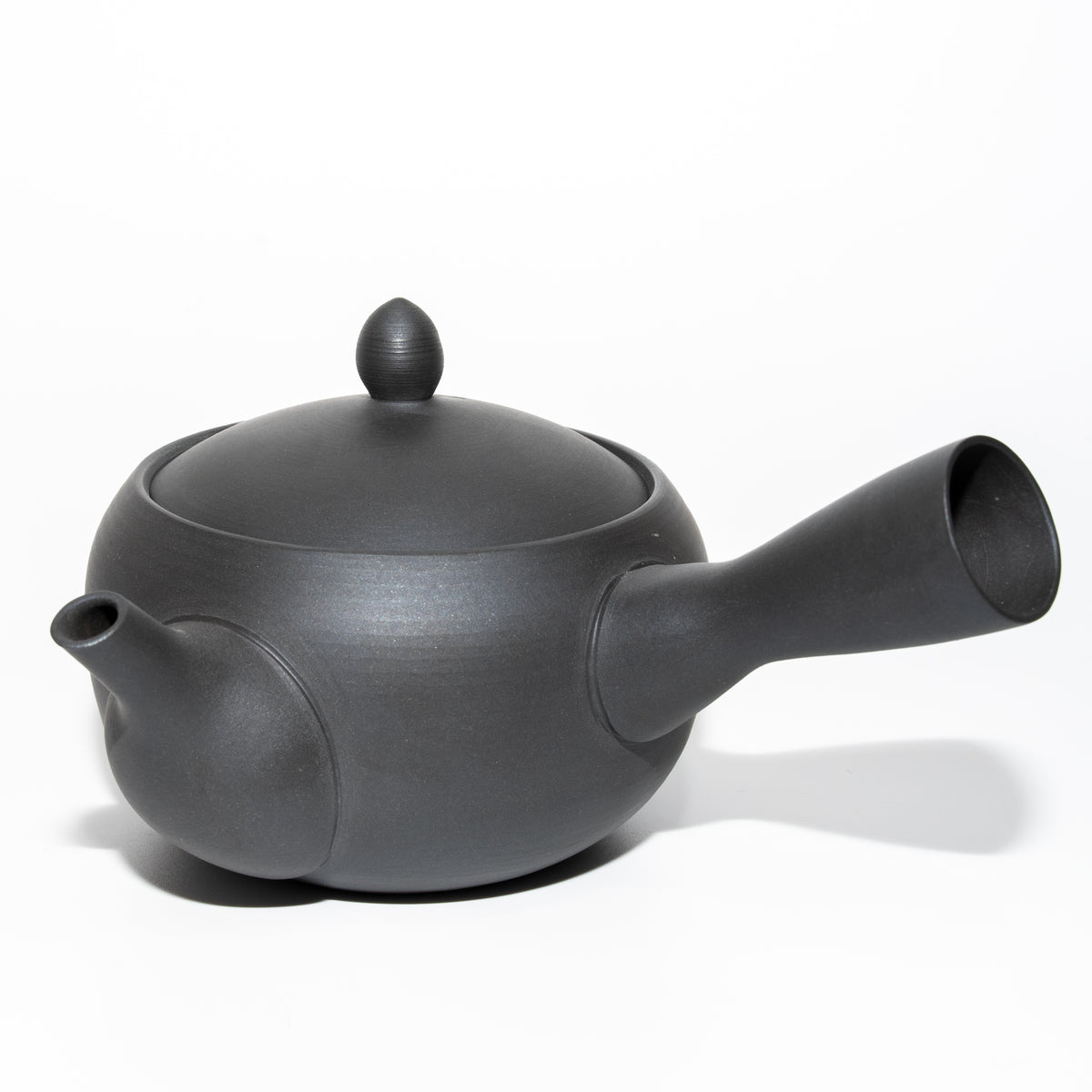
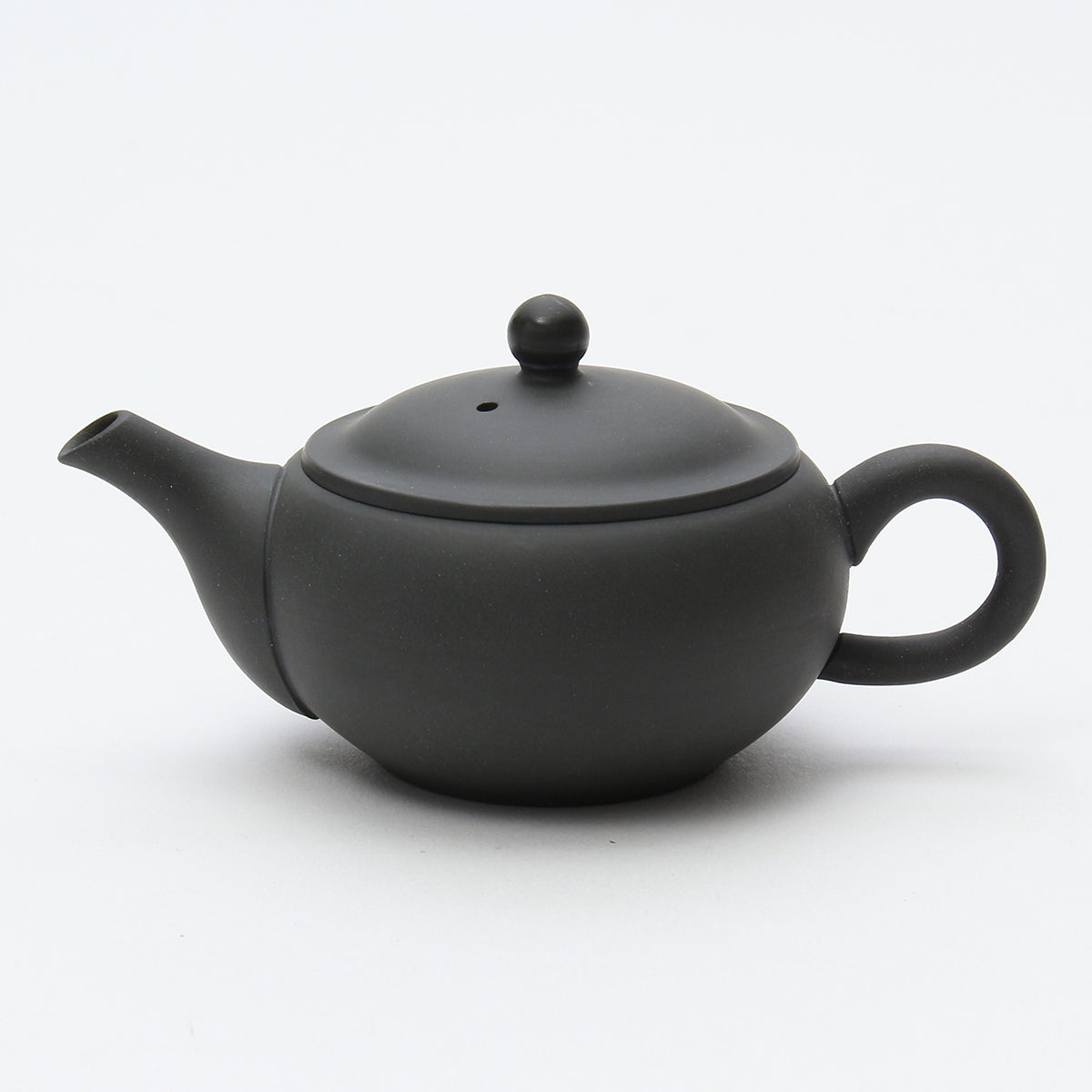

The scent arrives before the flavor does. Something between toasted grain and caramel, warm and round, with a faint sweetness that has nothing to do with sugar. You lift the cup and the steam carries it further — roasted nuts, a hint of wood, maybe the memory of fresh bread just pulled from the oven. This is Hojicha. A Japanese green tea that has been roasted until it becomes something else entirely. Not grassy. Not sharp. Not what most people expect when they hear "green tea."
In Japan, Hojicha is everywhere. Vending machines, restaurant tables, convenience stores, the cup a grandmother pours after meals. It is ordinary in the best sense — a tea so woven into daily life that most Japanese people do not think of it as special. Outside Japan, though, it is still a discovery. Many Western tea drinkers first encounter it as a latte flavor in a cafe and assume it is some kind of new invention. It is not. Hojicha has been part of Japanese tea culture for about a century, and understanding where it comes from, how it tastes, and why it matters is the first step toward appreciating what makes it so quietly remarkable.
What is Hojicha?
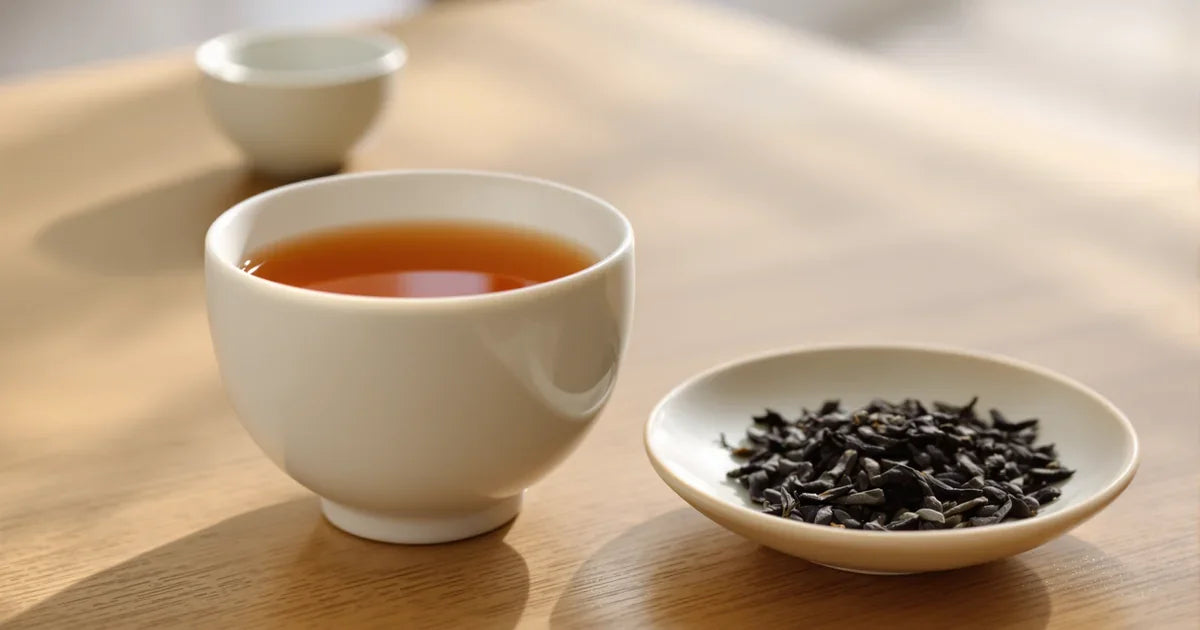
Hojicha (pronounced "hoh-jee-cha") is a Japanese green tea that has been roasted at high temperature after its initial processing. The word comes from hoji, meaning "to roast," and cha, meaning "tea." That roasting step is what sets it apart from every other Japanese green tea. Sencha, Gyokuro, Matcha — they are all steamed to stop oxidation, then dried and shaped. Hojicha goes through the same early steps, but then gets an additional pass through intense heat. The leaf darkens from green to brown. The aroma shifts from vegetal to warm. The cup changes color from pale jade to deep amber.
Here is the part that surprises people: Hojicha is still green tea. It comes from the same plant, Camellia sinensis, and it goes through the same steaming process that defines Japanese green teas. Roasting does not oxidize the leaf in the way that black tea production does. It transforms the flavor through heat, creating an entirely different aromatic profile while keeping the tea within the green tea family. Think of it this way: roasting is not a category. It is a finishing move.
A tea born from resourcefulness
The story goes back to Kyoto in the 1920s. Tea merchants in the city's wholesale district faced a practical problem: leftover tea. Stems, older leaves, bits and pieces from the sorting process — material that was perfectly fine but difficult to sell as premium Sencha or Gyokuro. Someone had the idea to roast it. High heat. Quick exposure. The leaves crackled and browned, and what came out smelled extraordinary — warm, inviting, nothing like the grassy green teas their customers already knew.
The timing mattered. Japan in the 1920s was urbanizing rapidly, and people wanted affordable, approachable drinks. This new roasted tea fit the moment. It was inexpensive because the raw material was modest. It was easy to brew because the roasting made it forgiving. And it tasted good to almost everyone, including people who found Sencha's astringency too pointed or Gyokuro's intensity too much for a casual cup. A tea born from economy. A flavor loved for its own sake.
Within a few decades, Hojicha had moved from resourceful byproduct to household staple. Kyoto remained an important center for Hojicha production — the city's tea roasters developed deep expertise in controlling heat and timing — but the style spread across Japan. Today it is produced in most major tea-growing regions, and you will find it on tables from Hokkaido to Okinawa. What started as a solution to surplus became a tea that millions of people reach for every day.
What does Hojicha taste like?
Flavor in Hojicha is shaped by one thing above all else: roast level. Just as coffee moves from bright and fruity at a light roast to deep and smoky at a dark roast, Hojicha covers a wide spectrum depending on how long and how intensely the leaves are heated.
Light roast
A light-roasted Hojicha still carries traces of its green tea origin. The color is golden, sometimes almost straw-like. The aroma is gentle — warm hay, dried flowers, a whisper of caramel. On the palate, the cup feels clean and slightly sweet, with a soft finish that fades quickly. This style is closest to the border between green tea and roasted tea, and it appeals to people who want warmth without heaviness.
Medium roast
This is the most common style. The leaves are a rich chestnut brown, and the liquor sits in the amber range. The aroma opens up: toasted grain, roasted nuts, a touch of cocoa. In the cup, medium-roast Hojicha has body without being dense. There is a pleasant roundness, a natural sweetness that comes from the roasting process itself, and almost no bitterness. This is the Hojicha most Japanese households keep in the kitchen.
Dark roast
Push the roast further and Hojicha becomes something bolder. The leaves darken toward deep brown, sometimes nearly black. The aroma intensifies — more smoky, more chocolatey, occasionally with a charred edge that people either love or find too assertive. Dark-roast Hojicha has the most presence. It stands up well to food, holds its character in milk-based drinks, and delivers a warming depth. The trade-off is that subtlety recedes. This is Hojicha with its voice raised.
Across all roast levels, the chemical story is consistent. Roasting creates compounds called pyrazines, the same aromatic molecules found in roasted coffee, toasted bread, and grilled food. These give Hojicha its signature warmth. Meanwhile, some of the catechins present in the original green leaf are modified by heat, which is why Hojicha generally tastes smoother and less astringent than its unroasted relatives.
Hojicha vs Matcha vs Sencha
These three teas all start from the same plant, but they arrive in the cup from completely different directions. Sencha is steamed, rolled, and dried — the classic Japanese green tea, defined by its fresh, vegetal clarity. Matcha is shade-grown, steamed, dried, and stone-ground into a fine powder — concentrated, vivid, ceremonial in origin. Hojicha takes finished tea and adds high heat, trading brightness for warmth.
| Hojicha | Matcha | Sencha | |
|---|---|---|---|
| Processing | Steamed, then roasted at high heat | Shade-grown, steamed, stone-ground | Steamed, rolled, dried |
| Flavor | Roasted, nutty, caramel | Rich umami, vegetal, creamy | Fresh, grassy, balanced astringency |
| Aroma | Toasted grain, warm wood | Marine, sweet green, sometimes floral | Fresh-cut grass, light seaweed |
| Cup color | Amber to deep brown | Vivid green (opaque) | Pale to bright green (clear) |
| Caffeine | ~20 mg per 100 mL (MEXT 8th rev.) | ~64 mg per 2g serving (MEXT 8th rev.) | ~20 mg per 100 mL (MEXT 8th rev.) |
| Preparation | Steeped in hot water | Whisked powder in water | Steeped in hot water |
| Best time | Afternoon, with meals | Morning, ceremony, focus | Any time of day |
One common point of confusion: "roasted Matcha" is not Hojicha. You may see roasted Matcha powder sold online, and while it exists as a culinary ingredient, traditional Hojicha is made by roasting tea leaves or stems, not by roasting Matcha powder. The processes, the raw materials, and the results are different. If you are curious about the broader distinctions between Matcha and green tea in general, our Matcha vs green tea comparison goes deeper. For a full picture of Sencha, see our guide to Sencha.
Types, production, and what is in the cup
Hojicha is not a single tea. It is a roasting method applied to different starting materials, and each combination produces a distinct cup. Once you understand the two main variables — base tea and roast level — the variety within Hojicha starts to make sense.
By base tea
The most common base for Hojicha is Bancha, the later-harvest green tea that Japanese households drink every day. Bancha-based Hojicha tends to be sturdy, unpretentious, and easy to brew. It has the kind of honest, grain-like warmth that works well at the dinner table or in a latte. This is the Hojicha you will encounter most often, and it is what most people picture when they hear the name.
Sencha-based Hojicha starts from a more refined leaf. The cup is smoother, sometimes sweeter, with a cleaner finish. Because Sencha carries more amino acids and a brighter flavor profile before roasting, those qualities linger in the roasted version as a gentle complexity beneath the toasty surface.
Then there is stem Hojicha, known as kuki-Hojicha or sometimes karigane-Hojicha. This style uses the stems and stalks that are separated during tea processing, and the result is remarkably delicate — lighter in body, naturally sweet, with a creamy quality that leaf Hojicha does not quite achieve. For a closer look at how Bancha and Hojicha relate to each other, our Bancha and Hojicha guide traces the connection in detail.
By roast level
As described in the flavor section above, Hojicha ranges from light to dark roast. Light roast preserves more of the original tea character. Dark roast emphasizes the roasting itself. Most commercially available Hojicha sits somewhere in the medium range, but specialty producers increasingly offer single-origin or single-cultivar Hojicha at specific roast points, much the way specialty coffee roasters do.
Hojicha powder is another form worth knowing. Made by finely grinding roasted tea, it is used for lattes, baking, and desserts. The powder dissolves fully in liquid, which gives it a richer presence than a steeped cup. Some powders are made from roasted leaf, others from roasted stems. The base matters as much in powder form as it does in loose leaf. For a broader map of how all these styles relate, our guide to types of Japanese tea puts the whole family in one place.
How Hojicha is made
The production process begins like any other Japanese green tea: fresh leaves are steamed shortly after picking to halt oxidation, then rolled and dried. What happens next is what makes Hojicha different. The dried tea goes into a roasting drum or a ceramic roaster called a horoku, where it is heated; for drum roasting, a 1969 trial by Japan's Ministry of Agriculture and Forestry Tea Experiment Station suggested that an inner-wall temperature of 160–180°C was suitable. The leaves tumble through the heat for anywhere from thirty seconds to several minutes, depending on the desired roast level.
Timing and temperature control are everything. A few seconds too long and the tea tips from pleasantly roasted to burnt. Too short and the roast character stays shallow, leaving a cup that feels neither fully green nor properly roasted. Experienced roasters adjust constantly, reading the color of the leaves, the sound of them crackling, and the changing aroma in the air. It is a skill that takes years to refine. Our guide to Hojicha production covers the roasting process and flavor chemistry in detail.
Caffeine in Hojicha
Hojicha is often assumed to be low in caffeine because of roasting, but according to the Standard Tables of Food Composition in Japan (MEXT, 8th revision), brewed Hojicha contains about 20 mg of caffeine per 100 mL — the same figure as Sencha. Official standard values do not show Hojicha as distinctly lower than Sencha. Caffeine content varies depending on the base tea, leaf selection, and brewing conditions rather than roasting alone. For a detailed breakdown of the numbers and brewing variables, see our guide to Hojicha caffeine.
Health benefits at a glance
Hojicha shares many of the health-associated compounds found in other green teas, though the amounts shift after roasting. Catechins, the antioxidant polyphenols that green tea is known for, are partially reduced by high heat, but they do not disappear. Theanine, the amino acid linked to calm focus, remains present, especially in Hojicha made from shade-grown or first-flush material. The combination of moderate antioxidant content and easy digestibility makes Hojicha a tea that many people find comfortable to drink. This is for general educational context — if you have specific health concerns, please consult a healthcare professional. We cover this topic thoroughly in our guide to Hojicha health benefits, and the detailed nutritional profile is in our article on Hojicha ingredients.
How to brew Hojicha
Hojicha is one of the most forgiving Japanese teas to brew. Where Gyokuro demands precise temperature control and Sencha punishes over-steeping with bitterness, Hojicha takes heat well and rarely turns harsh. That does not mean technique is irrelevant — a well-brewed cup still tastes meaningfully better than a careless one — but it does mean the learning curve is gentle.
Leaf Hojicha
Use water that has just come off the boil, around 90 to 100 degrees Celsius. Hojicha can handle temperatures that would scald a delicate Sencha because roasting has already reduced the compounds most sensitive to heat. Use about 5 grams of leaf for 200 mL of water. Steep for 30 to 60 seconds. The first infusion will be the most aromatic — the pyrazines release quickly — and the second infusion will often taste smoother, with a gentler sweetness. A third infusion is possible but tends to fade.
If you want the aroma to fill the room, use a wide-mouthed cup or a shallow bowl. The volatile compounds in Hojicha are part of the experience, and a vessel that lets them rise makes a difference you can feel before you take the first sip.
Powder Hojicha
Hojicha powder works differently from leaf. Because the whole tea is consumed rather than steeped and strained, the flavor is fuller and the body is richer. Use about 1 to 1.5 teaspoons of powder for 150 to 200 mL of hot water. Whisk or stir until the powder is fully dissolved — starting with a small amount of water to make a paste first prevents clumping.
Powder is also the best format for Hojicha lattes, baking, and desserts, because it integrates fully into other ingredients. If you are making a latte, brew the powder slightly concentrated (less water, more powder) before adding milk. This keeps the roasted tea flavor from getting lost.
For iced Hojicha, steep the leaf version strong and pour over ice, or dissolve the powder in a small amount of hot water before adding cold water and ice. Either way, the roasted character holds up better in cold preparations than most green teas do. If you want to explore cold brewing in more depth, see our guide to cold brew tea.
How to choose and enjoy Hojicha
Hojicha in Japanese daily life
To understand Hojicha's place in Japan, forget the specialty cafe. Forget the artful pour. Think instead about the plastic bottle in a convenience store cooler. The ceramic pot on a restaurant counter, refilled without being asked. Hojicha lives in the ordinary spaces of Japanese life, and that is precisely what gives it its character.
In many Japanese households, Hojicha is the default after-meal tea. The meal ends, the dishes are cleared, and someone puts the kettle on. The tea that follows is rarely Sencha, and almost never Gyokuro, which feels too ceremonial for a weekday meal. It is Hojicha. Warm, toasty, easy.
Restaurants use it the same way. Walk into a casual izakaya or a family restaurant in Japan and the complimentary tea is often Hojicha or Bancha, served in a large pot at the table. It accompanies fried food, grilled fish, rice dishes — anything, really. Its light body and clean finish mean it refreshes without competing, which is exactly what a table tea needs to do.
Hojicha also appears across many everyday settings in Japan, kept on hand because it is warm, comforting, and approachable. None of this is remarkable in Japan. It is simply what people do with a tea that has no rough edges.
For Western tea drinkers, this cultural context matters because it reframes what Hojicha is for. It is not a novelty. It is not a trend. It is the tea equivalent of a warm blanket — something so familiar and reliable that its presence goes unnoticed until it is missing.
Choosing well
Not all Hojicha is created equal, and a few markers can help you find a cup worth coming back to.
Freshness matters more than most people realize. Hojicha's defining quality — that roasted aroma — fades over time. A bag that has been sitting on a shelf for months will taste flat, no matter how well the tea was roasted originally. Look for roast dates if available, and once opened, store your Hojicha in an airtight container away from light and heat. If the aroma has faded to almost nothing, the tea has probably passed its best window.
Color is a useful clue. The dry leaves should be an even brown — not too pale (under-roasted) and not spotted with black patches (burnt). In the cup, the liquor should be clear, ranging from golden to deep amber depending on roast level. Cloudiness or dullness can indicate stale or poorly processed tea.
The base tea shapes the character. As discussed above, Bancha-based Hojicha is sturdy and everyday. Sencha-based Hojicha is smoother and more refined. Stem-based Hojicha is light and naturally sweet. Knowing which base you prefer is more useful than chasing a single "best" Hojicha, because the right choice depends on how you plan to drink it. For daily brewing, Bancha-based works beautifully. For a latte, something with a deeper roast and more body holds up to milk. For a quiet cup, stem Hojicha is hard to beat.
Origin can matter, though it is less decisive than in Sencha or Gyokuro. Kyoto remains historically associated with Hojicha roasting, and many Kyoto producers have refined their technique over generations. Shizuoka, Kagoshima, and Mie also produce excellent Hojicha. What matters most is not the region but the roaster's skill — how well they read the leaf and control the heat.
When buying, pay attention to how the tea is described. Terms like "first-flush Hojicha" or "single-cultivar Hojicha" suggest a producer who is thinking carefully about their raw material. Kuki-Hojicha on the label means stem-based. If the packaging tells you nothing about the base tea, the harvest, or the roast approach, you are probably looking at a commodity blend, which can still be pleasant but is unlikely to be memorable.
Beyond the cup
Hojicha's warm, toasty flavor translates remarkably well into food. In Japan, Hojicha powder appears in ice cream, puddings, chocolate, and baked goods — anywhere you want a gentle roasted note without the intensity of coffee or the bitterness of dark chocolate. The flavor works especially well with dairy, caramel, and red bean, which is why Hojicha desserts are a fixture in Japanese confectioneries and convenience stores alike.
The most popular crossover is the Hojicha latte, which has moved from Japanese kissaten to specialty cafes around the world. If you want to make one at home, our Hojicha latte recipe walks through the method for both powder and leaf, including how to get the tea-to-milk ratio right so the roast character comes through instead of disappearing into the dairy.
At home, you can also experiment in simpler ways. Steep Hojicha strong and use it as a base for cocktails or mocktails. Fold the powder into pancake batter or cookie dough. Dissolve it into warm oat milk with a touch of honey for a drink that feels indulgent but is really just tea and grain. The flavor is versatile because it is fundamentally warm and approachable — the same quality that makes it a perfect daily tea also makes it a forgiving ingredient.
However you encounter Hojicha — in a cup, in a latte, in a slice of cake — you are tasting a century of Japanese ingenuity. A tea that began as a way to use leftover leaves and became something people seek out on purpose. Not because it is rare or exclusive, but because it is good. Quietly, reliably, comfortably good. And for many of us, that is exactly the kind of tea we reach for most often.
Frequently Asked Questions
Is Hojicha a green tea or a roasted tea?
Hojicha is still green tea: steamed leaves or stems from Camellia sinensis are roasted afterward, so heat changes the aroma without turning it into black tea.
Why does Hojicha taste so different from Sencha?
The high roast creates pyrazines, the same warm aroma family found in toasted bread and coffee. Sencha stays grassy and bright; Hojicha turns nutty, caramel-like, and smooth.
How should we brew loose-leaf Hojicha?
Use about 5 grams of leaf for 200 mL water around 90 to 100 degrees Celsius, then steep for 30 to 60 seconds. The first cup is most aromatic; the second often tastes smoother, with a gentler sweetness.
What base teas are used for Hojicha?
Bancha gives the sturdy everyday cup, Sencha makes a smoother and sometimes sweeter roast, and stem Hojicha is lighter and naturally sweet.
How much caffeine does Hojicha have?
Official standard values (MEXT 8th rev.) list hojicha infusion at about 20 mg per 100 mL, roughly the same as sencha. Caffeine content varies with the base tea, leaf selection, and brewing conditions rather than roasting alone.