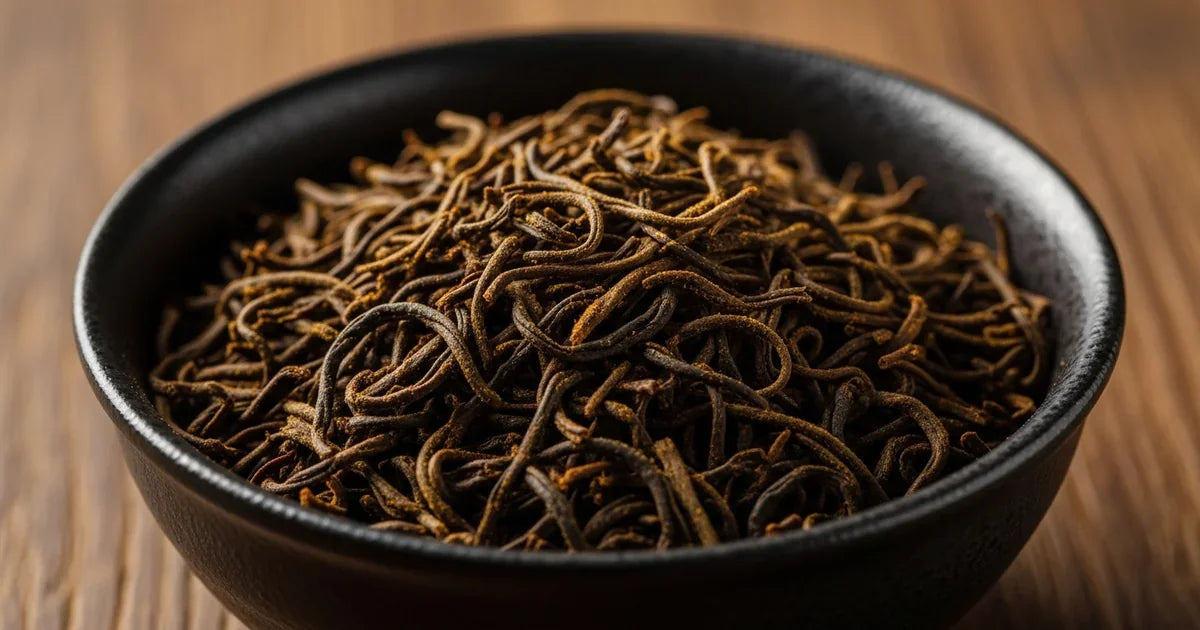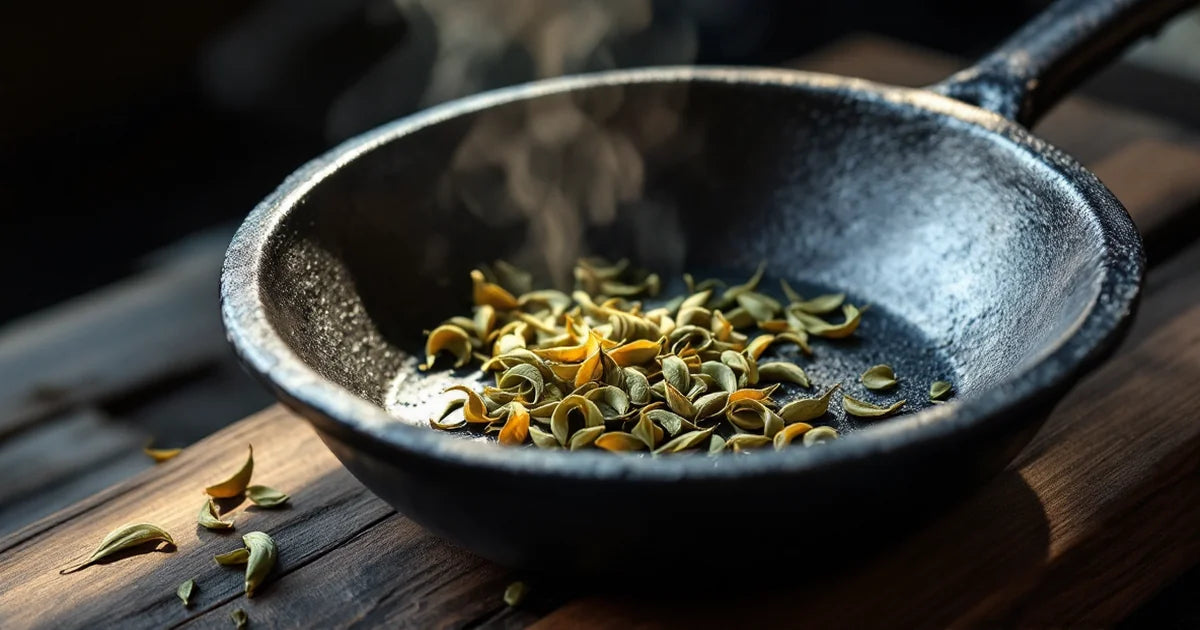
Bienfaits du Hojicha : ce que disent les études
Discover the unique taste & health benefits of Hojicha tea—low in caffeine, rich in antioxidants, and perfect for...
Mis à jour oct. 2026
Lire la suite
Japanese Tea Encyclopedia
34 guides
Discover the unique taste & health benefits of Hojicha tea—low in caffeine, rich in antioxidants, and perfect for...
Le Gyokuro est ombré pendant vingt jours ou plus avant la récolte — un procédé laborieux qui freine la conversion de ...
Ouvrez un sachet de la plupart des thés verts japonais — la première impression est végétale, marine, une verdeur net...
Beaucoup de cultivars japonais demandent un compromis: douceur ou résistance. Les lignées très riches en umami peuven...
En cherchant des thés à origine unique du Japon, on rencontre régulièrement le Sayamakaori. Un nom porteur de sens : ...
Remarque : Les informations présentées ici sont à titre éducatif uniquement. Elles ne constituent pas un avis médica...
Les premiers Shincha atteignent les marchés japonais fin mars, récoltés à Kagoshima, alors que les jardins de Shizuok...
La tasse est pâle et lumineuse, transparente jusqu'à ce que la lumière la traverse. Avant même la première gorgée, un...
La première fois qu'on goûte du Kamairicha, on se demande souvent si c'est vraiment du thé vert japonais. La liqueur ...
En regardant la poudre de matcha, on oublie presque qu'elle était, il y a peu, une feuille de thé. Avant d'être broyé...
En approchant la tasse de son visage, on perçoit d'abord une senteur marine — quelque chose qui évoque l'algue nori o...
Si l'on devait choisir un seul thé pour représenter le Japon, ce serait le sencha. Robe vert clair, arômes d'herbe fr...
De la lecture à la dégustation
Vaisselle à thé artisanale de sept fours japonais — et les histoires de ceux qui la façonnent.