
Gyokuro is shaded for 20 days or more before harvest — a labor-intensive process that suppresses catechins and draws out theanine, producing the intense umami that makes it Japan's most prized green tea. Asatsuyu achieves something close to that profile without the shade. Under full sun, in open fields, it produces a sweetness and depth that have earned it a specific nickname: "natural Gyokuro."
That name tells you what makes Asatsuyu worth paying attention to. Registered in 1953 — the same year as Yabukita — it is one of Japan's earliest registered cultivars. Nearly eight decades later, it is still grown, still sought out, still considered one of the finest examples of what a cultivar can bring to a cup.
What Is Asatsuyu?
Asatsuyu is a Japanese tea cultivar registered in 1953, making it one of the oldest officially registered cultivars in the country. It is naturally high in theanine — the amino acid responsible for umami and the calming effect associated with green tea — and naturally low in catechins, which drive astringency. That chemistry is unusual. Most unshaded cultivars run in the opposite direction: plenty of astringency, more modest umami.
Because of this, Asatsuyu Sencha often needs no shading to deliver the kind of flavor profile you would expect from a shade-grown tea. Some producers do cover it anyway, to push the umami even further — when that happens, the result is exceptionally rich, almost broth-like in depth. For more on what shading does to tea chemistry, our article on Gyokuro walks through the mechanics.
Asatsuyu is an early-ripening cultivar, picked roughly seven days before Yabukita. That early emergence is one of its qualities — and also one of its vulnerabilities. The shoots arrive while temperatures are still variable, making frost damage a real risk. For more on how harvest timing shapes the tea year, see our piece on early and late-ripening cultivars. Tsuyuhikari, a cultivar bred from Asatsuyu, addresses this frost vulnerability while preserving much of the sweetness.
Why "natural Gyokuro"?
The comparison to Gyokuro is a flavor comparison, not a processing one. Gyokuro is a category defined by shade-growing: covering the plants 20+ days before harvest with black cloth and cutting off sunlight, which slows the conversion of theanine into catechins — a conversion that light normally triggers. The result is low astringency, high umami, and a distinctive sweetness that runs through the entire cup.
Asatsuyu, grown without any of that intervention, produces a similar theanine-to-catechin ratio naturally. The genetics of the plant are simply oriented that way. High theanine, low catechin — the formula Gyokuro achieves through effort, Asatsuyu arrives at without it.
The practical implication is a cup that feels fuller, sweeter, and less sharp than standard Sencha from most other cultivars. The aroma is soft — no particular grassiness or intensity — which makes it easy to drink without effort. Not demanding. Just deeply satisfying.
| Characteristic | Asatsuyu | Yabukita | Gyokuro (shaded) |
|---|---|---|---|
| Umami level | High | Moderate | Very high |
| Astringency | Low | Mild | Very low |
| Shade required | No | No | Yes (20+ days) |
| Cold hardiness | Low | High | Varies by cultivar |
| Typical region | Kagoshima, southern Kyushu | Nationwide | Uji, Yame, others |
Flavor and growing regions
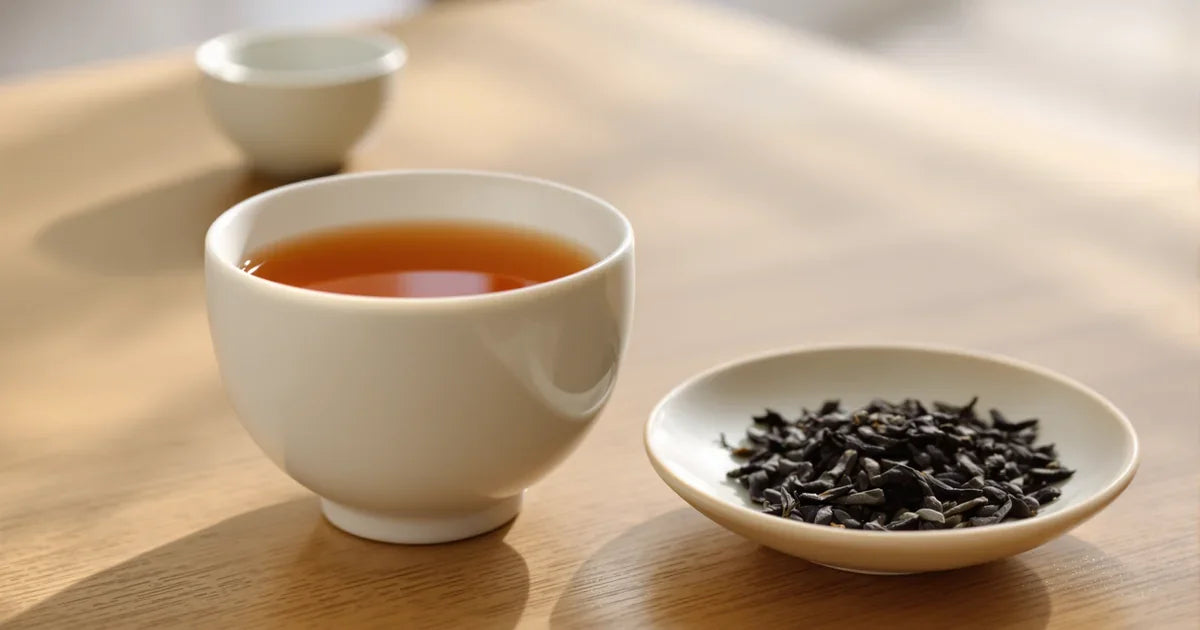
Sweet, full-bodied, and low in astringency — those are the three words most often used when describing Asatsuyu. The sweetness is genuine, not a faint trace but a real presence that runs from the first sip through the finish. The body is round and slightly viscous in the mouth, closer to what you would expect from a shaded tea than from an open-field one. There is almost no bitterness, and the aroma stays soft — a quiet floral quality, nothing sharp.
Kagoshima is the primary home for Asatsuyu. The prefecture's warm climate suits the cultivar's cold sensitivity and its preference for an early spring. Parts of Kyushu — particularly southern Miyazaki — also produce it, though in smaller volumes. Shizuoka grows some, but the cooler winters there limit where and how it can be planted without frost risk. The cultivar's reluctance to grow in cold regions is part of what keeps it relatively rare: it cannot simply be planted anywhere and expected to perform.
For an overview of Kagoshima's tea landscape, our article on Kagoshima's tea-growing region covers the context in more detail.
How to brew Asatsuyu
Asatsuyu benefits from the same low-temperature approach used for Gyokuro. At around 70°C, the theanine-driven sweetness and umami express fully — if you want to lean even deeper into umami, try 60-65°C, which mirrors the low-temperature approach used for Gyokuro; at higher temperatures, more catechins extract and the delicate balance shifts toward astringency.
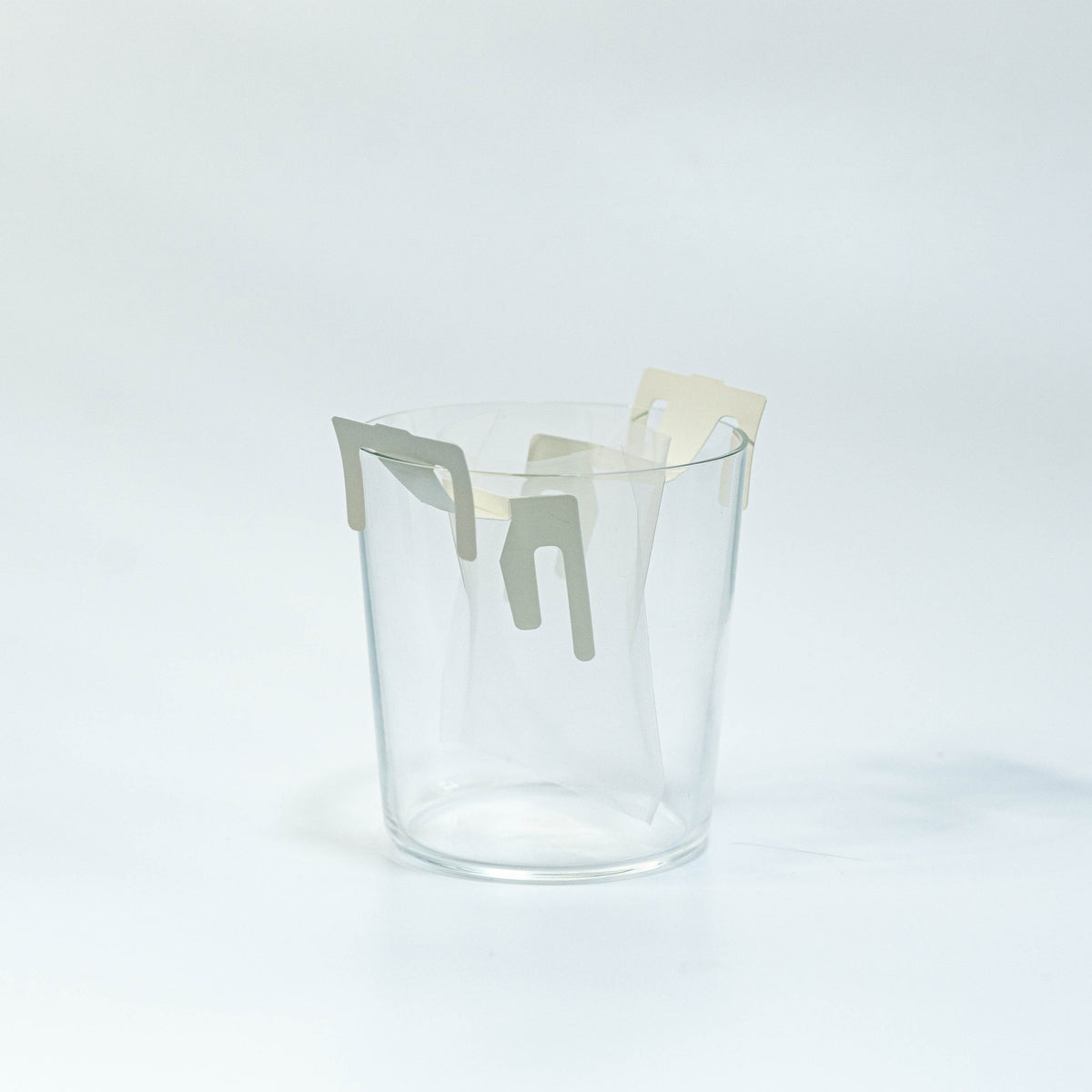
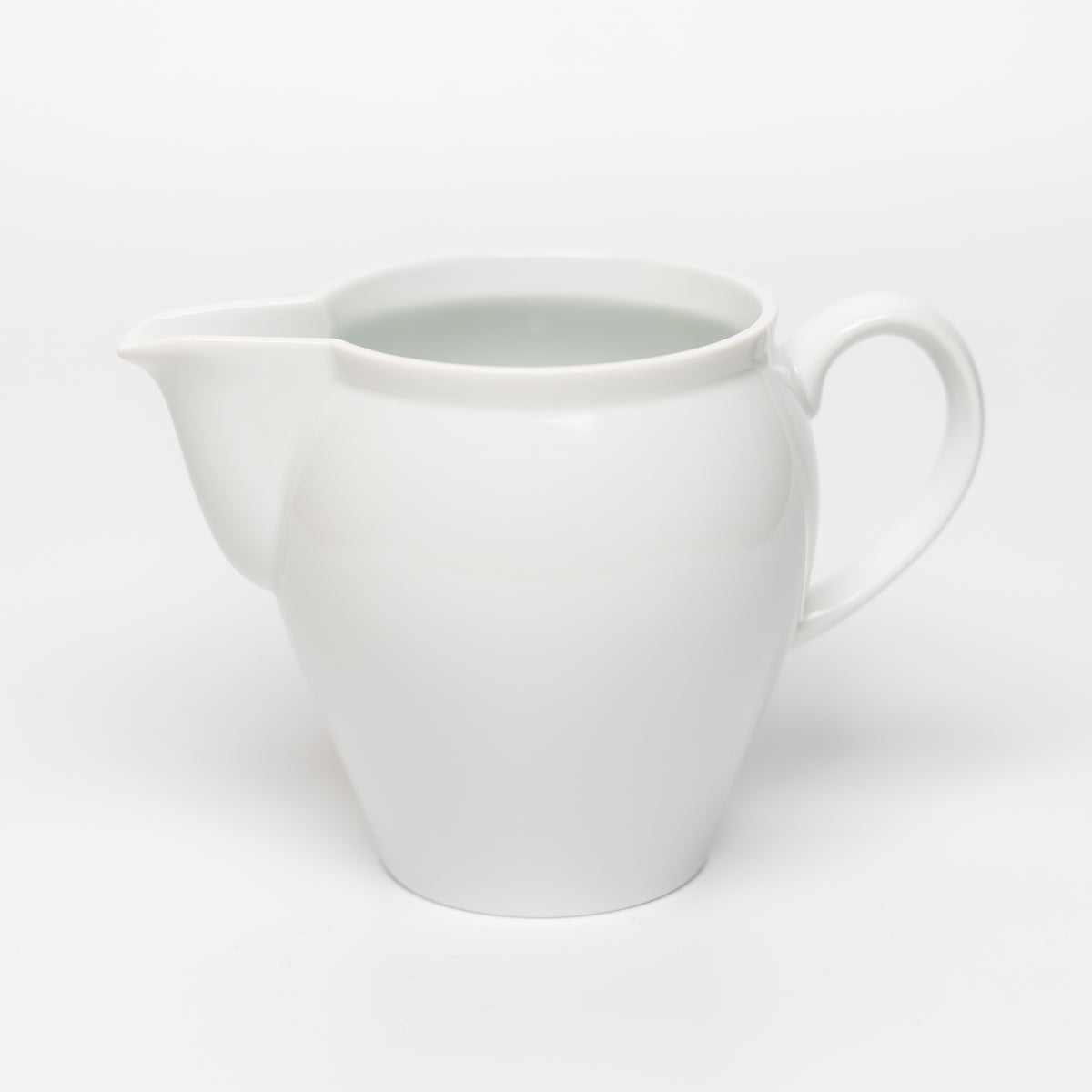
Use 3-4g per 150mL of water. Steep for 60-90 seconds, then pour completely into a pitcher. The second infusion is often excellent — the leaves have opened and the umami deepens slightly. A third infusion, at slightly higher temperature, can pull remaining sweetness through. The approach mirrors what our Gyokuro brewing guide recommends, and the reasoning is the same: protect the theanine-rich profile from the heat that would overwhelm it.
Asatsuyu is one of those cultivars that rewards patience — both the patience of the farmer willing to grow something requiring care, and the patience of the drinker willing to brew it at the right temperature and let the sweetness come through on its own terms.
If you come across a single-cultivar Asatsuyu Sencha, the cup will tell you immediately why the "natural Gyokuro" comparison has stuck for decades. You can explore our Japanese tea selection at our tea collection.
Frequently Asked Questions
Why is Asatsuyu called natural Gyokuro?
We use that nickname for flavor, not processing. Asatsuyu can taste sweet, full, and umami-rich without shade because it is naturally high in theanine and low in catechins.
Is Asatsuyu the same tea as Gyokuro?
No. Gyokuro is defined by 20 or more days of shade before harvest, while Asatsuyu is a cultivar registered in 1953. Asatsuyu Sencha can resemble Gyokuro, but it is a different product.
How should we brew Asatsuyu for sweetness and umami?
Use 3-4g of leaf per 150mL of water, around 70°C, and steep for 60-90 seconds. For deeper umami, 60-65°C works well; hotter water brings out more astringency.
How does Asatsuyu compare with Yabukita?
Both were registered in 1953, but Asatsuyu ripens about seven days earlier. It is sweeter, lower in astringency, and less cold-hardy, while Yabukita grows widely across Japan.
What is known about Asatsuyu's registration and lineage?
Asatsuyu is one of Japan's earliest registered cultivars, registered in 1953. Tsuyuhikari was bred from Asatsuyu to address frost vulnerability while preserving sweetness.