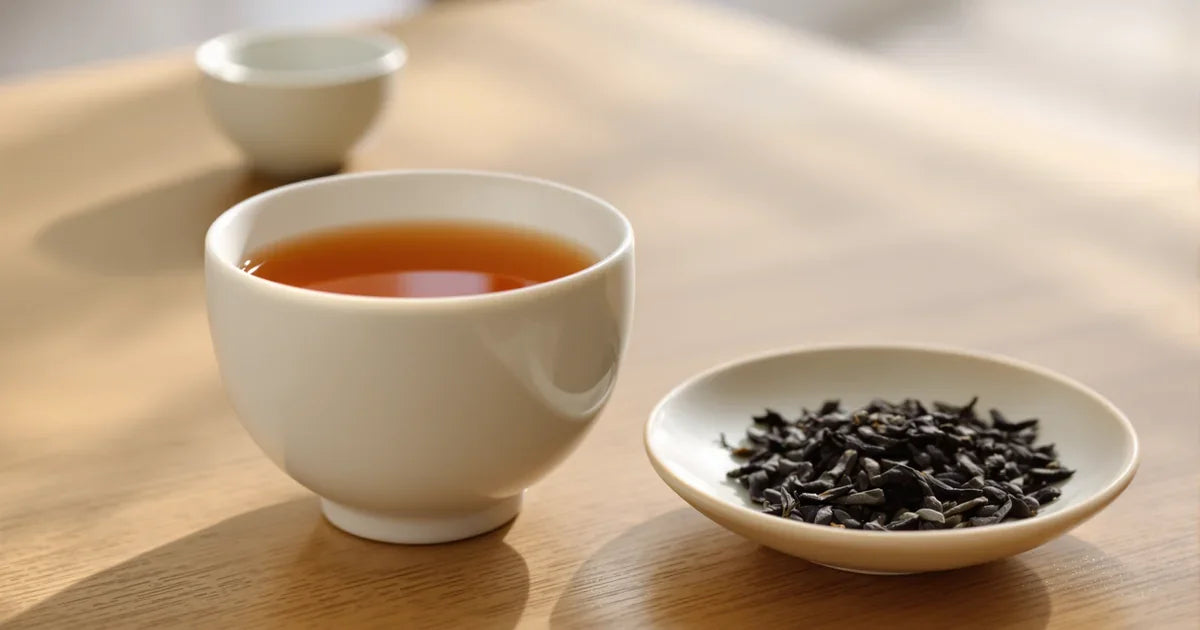

Open a bag of most Japanese green teas and you get something grassy, oceanic, or lightly vegetal — the clean green character that defines Sencha. Open a bag of Kohshun and the first thing you notice is floral. Jasmine, something orchid-adjacent, a faint sweetness in the dry leaf before any water touches it. For people used to the grassy, oceanic notes of standard Sencha, Kohshun comes as a genuine surprise.
That aroma is the whole point of the cultivar. Kohshun — also romanized as Koushun — was developed specifically to produce a distinctive fragrance unlike standard Japanese green tea, and it succeeds on that single criterion completely.
What Is Kohshun?
Kohshun (Koushun) is a Shizuoka-developed tea cultivar registered in 2000, bred from a cross between Kurasawa and Kanayamidori. Its name carries the meaning of "exceptional fragrance from Suruga" — *kou* for fragrance, *shun* for excellence — a reference to the old name for the Shizuoka region.
The cultivar was designated a Shizuoka prefectural recommended variety the following year in 2001, which further accelerated its adoption among farmers willing to grow something distinctively different. It is still a minor cultivar in terms of planted area, but it has developed a following among specialty producers and single-origin tea enthusiasts, particularly for its suitability across processing styles — Sencha, black tea, and semi-oxidized teas all show Kohshun's floral character, though in different ways. For context on the aromatic chemistry behind floral notes in tea, our article on tea aroma compounds covers the mechanisms.
Flavor and aroma
Aroma first, always. The floral character of Kohshun is the defining feature, and it begins in the dry leaf, intensifies in the steam as the water hits the leaves, and carries through the cup. Jasmine is the most common comparison. Some people taste orchid. Others find an herbaceous edge underneath the floral note — something fresh rather than perfumed.
The body is light. Kohshun is not a thick, umami-forward cultivar like Asatsuyu or Saemidori. It is more delicate on the palate — subtle sweetness, mild astringency, clean finish — with the aroma doing more work than the texture. That balance makes the tea feel transparent in the mouth, almost weightless, which lets the floral fragrance read clearly without competition from a heavy body.
When processed as black tea (*wakoucha*), Kohshun takes on a different character. The jasmine note moves toward something more tropical — mango has been mentioned, as has a fresh watermelon edge. The aroma opens differently under oxidation, showing more of the cultivar's aromatic complexity than a steamed green processing reveals. For more on how Japan's black teas differ from Assam-style teas, our article on oxidized teas provides useful context.
| Characteristic | Kohshun | Yabukita |
|---|---|---|
| Aroma | Jasmine, orchid, floral | Clean, grassy |
| Body | Light, delicate | Moderate |
| Umami | Subtle | Balanced |
| Astringency | Mild | Mild |
| Cold tolerance | Good | Excellent |
| Processing range | Sencha, black tea, oolong | Sencha, all types |
How to brew Kohshun
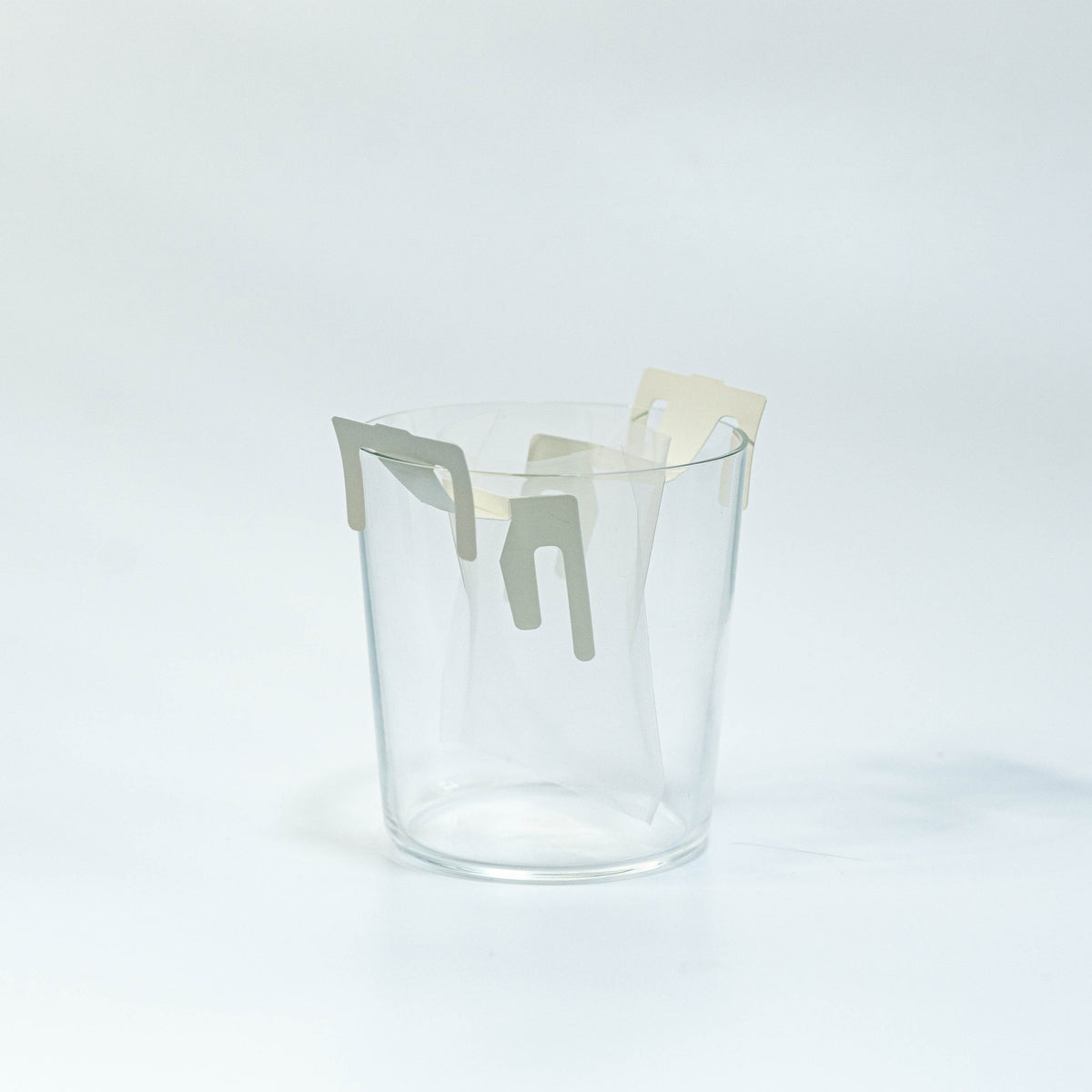
Medium water temperature — around 75-80°C — works well for Sencha. Lower temperatures preserve the floral character better than high heat, which can make the aroma more muted and push the mild astringency forward. A slightly longer steep than standard Sencha — around 70-90 seconds — helps release the aromatic compounds fully.
Use about 3g per 150mL. Decant completely after steeping to avoid over-extraction. The first infusion is usually where the aroma is most vivid; second infusions retain sweetness but the floral note softens. For Kohshun processed as black tea, standard black tea parameters work well — 90-95°C, 2-3 minutes — though shorter steeps at the lower end keep the lighter Japanese-style tannins from becoming astringent. The Shizuoka tea region that Kohshun calls home produces a wide range of styles worth exploring alongside it.
Where Kohshun grows
Kohshun is primarily a Shizuoka Prefecture cultivar. That is where it was bred, where most of the planted area sits, and where producers have had the longest time to understand how the cultivar behaves across different site conditions.
The expression shifts noticeably between mountain and lowland gardens. At higher elevations — where temperatures swing more dramatically between day and night — Kohshun's aromatic compounds concentrate in the leaf, producing a more intense, clearly delineated floral note. Lowland gardens tend to yield a softer, more diffuse fragrance with a rounder body. Neither is strictly better; they suit different processing choices. Producers who want to push the jasmine note often select mountain-grown leaf specifically for that purpose.
Kohshun was developed by NARO (the National Agriculture and Food Research Organization) in collaboration with Shizuoka's prefectural research program. The breeding goal was a cultivar that would produce a distinctive sensory profile that standard Japanese green teas could not offer — giving growers a differentiated product in a market dominated by Yabukita. On that measure, the program succeeded. Kohshun remains a niche cultivar in terms of total planted area, but among specialty producers focused on aromatic cultivars, it is well regarded.
Common questions about Kohshun
What does Kohshun taste like? Floral is the consistent answer — specifically jasmine and orchid, sometimes with a faint herbaceous edge underneath. The aroma leads, the body is light and transparent, and the finish is clean with mild sweetness. It does not taste the way most Japanese green tea tastes. That gap is the point. When processed as black tea, the floral note shifts toward tropical fruit rather than jasmine — something in the mango or lychee register — which surprises people who only know the cultivar as a Sencha.
Where can you buy Kohshun tea? Kohshun is not widely stocked in mainstream tea retail. Specialty tea shops that carry single-origin Japanese cultivars are the most reliable source — particularly those with direct relationships with Shizuoka producers. Online, Japanese tea specialists who import directly from small farms are more likely to carry it than general tea retailers. Availability shifts seasonally; new-harvest Kohshun typically appears in May and June, and stock from smaller producers can sell out quickly.
Kohshun is one of the few Japanese cultivars where the floral character comes entirely from the plant genetics — no shading, no added flavoring — which makes it a distinctive option for people building a collection of single-origin Japanese teas.
You can browse our selection of Japanese teas, including single-origin cultivar options when available, at our tea collection.
Frequently Asked Questions
What makes Kohshun different from typical Japanese sencha?
Kohshun leads with jasmine and orchid-like aroma rather than the grassy, oceanic profile of standard sencha. The body is light, with subtle sweetness, mild astringency, and a clean finish.
When was Kohshun registered, and what is its parentage?
Kohshun was bred in Shizuoka from Kurasawa and Kanayamidori and registered in 2000. It became a Shizuoka recommended cultivar in 2001.
How should we brew Kohshun as sencha?
Use about 3g of leaf per 150mL of water at 75-80°C, and steep for 70-90 seconds. Lower heat keeps the floral note clearer, while high heat can push astringency forward.
Does Kohshun need shading or added flavoring for its floral aroma?
No. Kohshun’s floral character comes from cultivar genetics, without shading or added flavoring. That makes it especially useful for single-origin tea comparisons.
How does Kohshun change when processed as black tea?
As wakoucha, Kohshun’s jasmine-like aroma shifts toward tropical fruit, with mango, lychee, or watermelon notes.