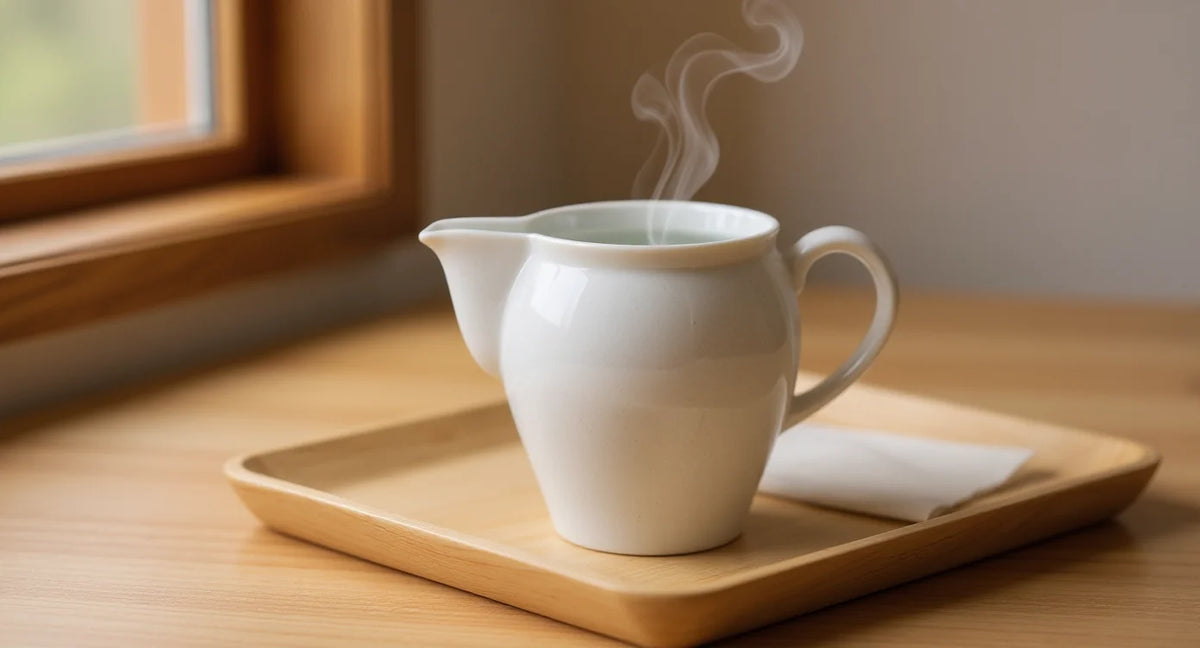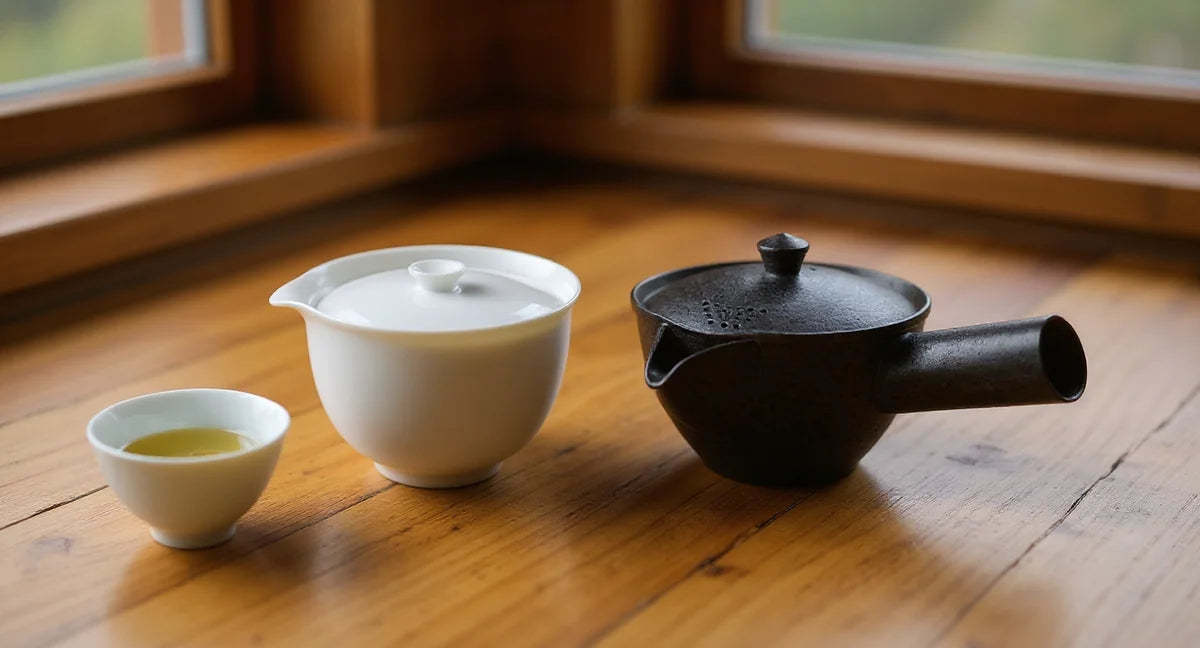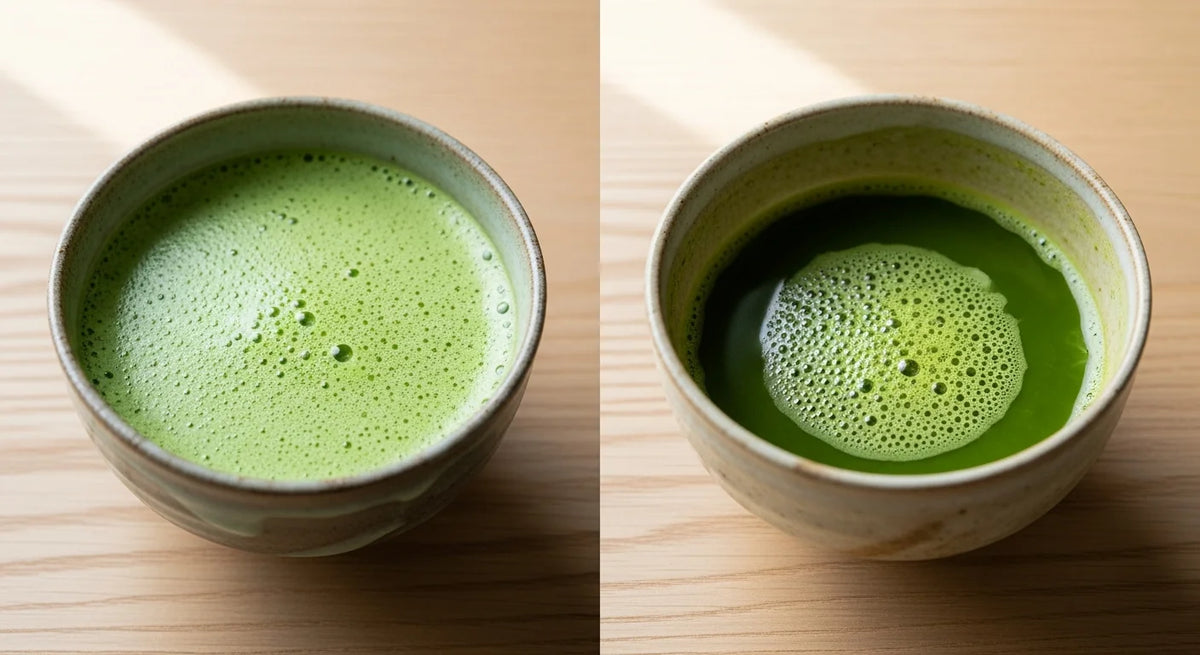
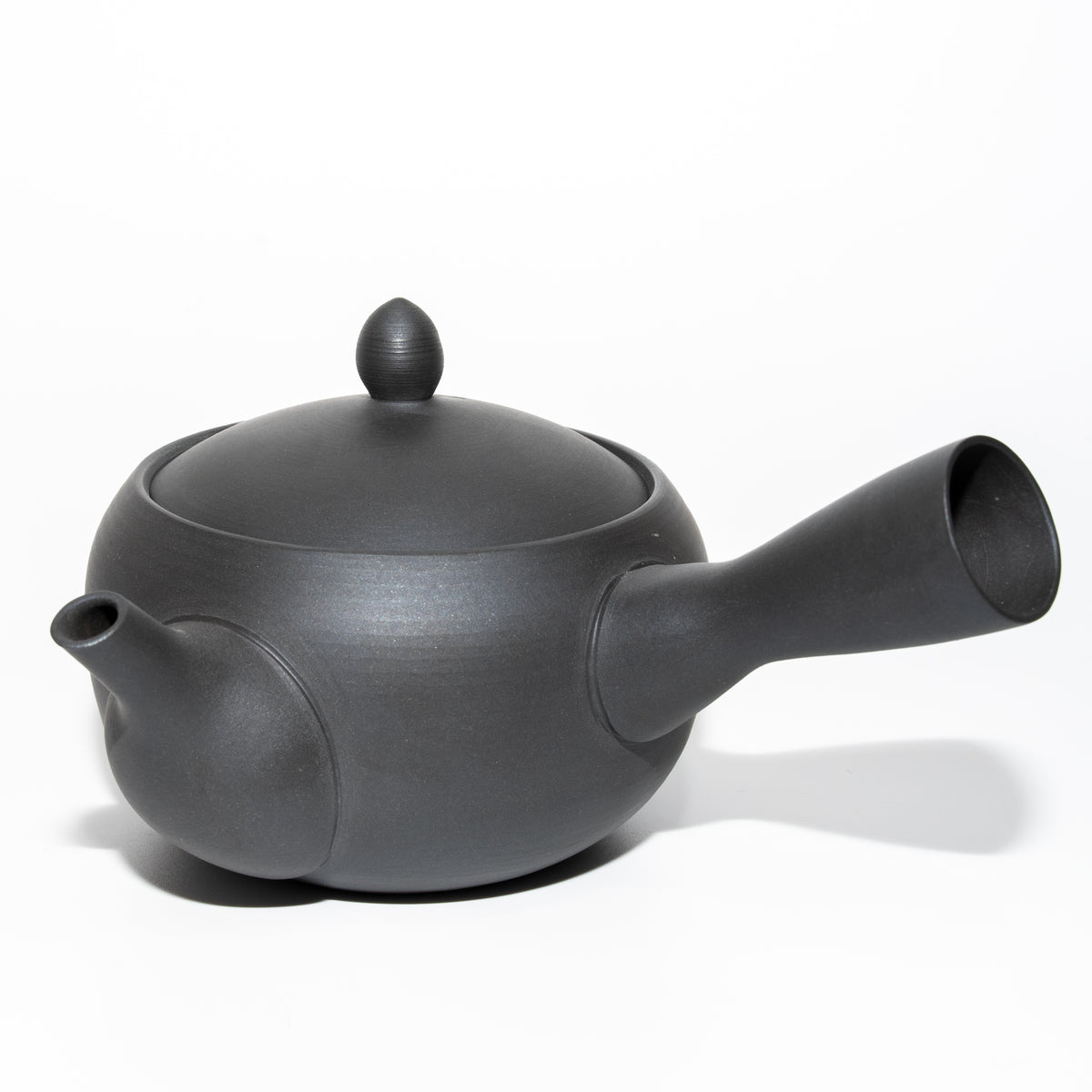
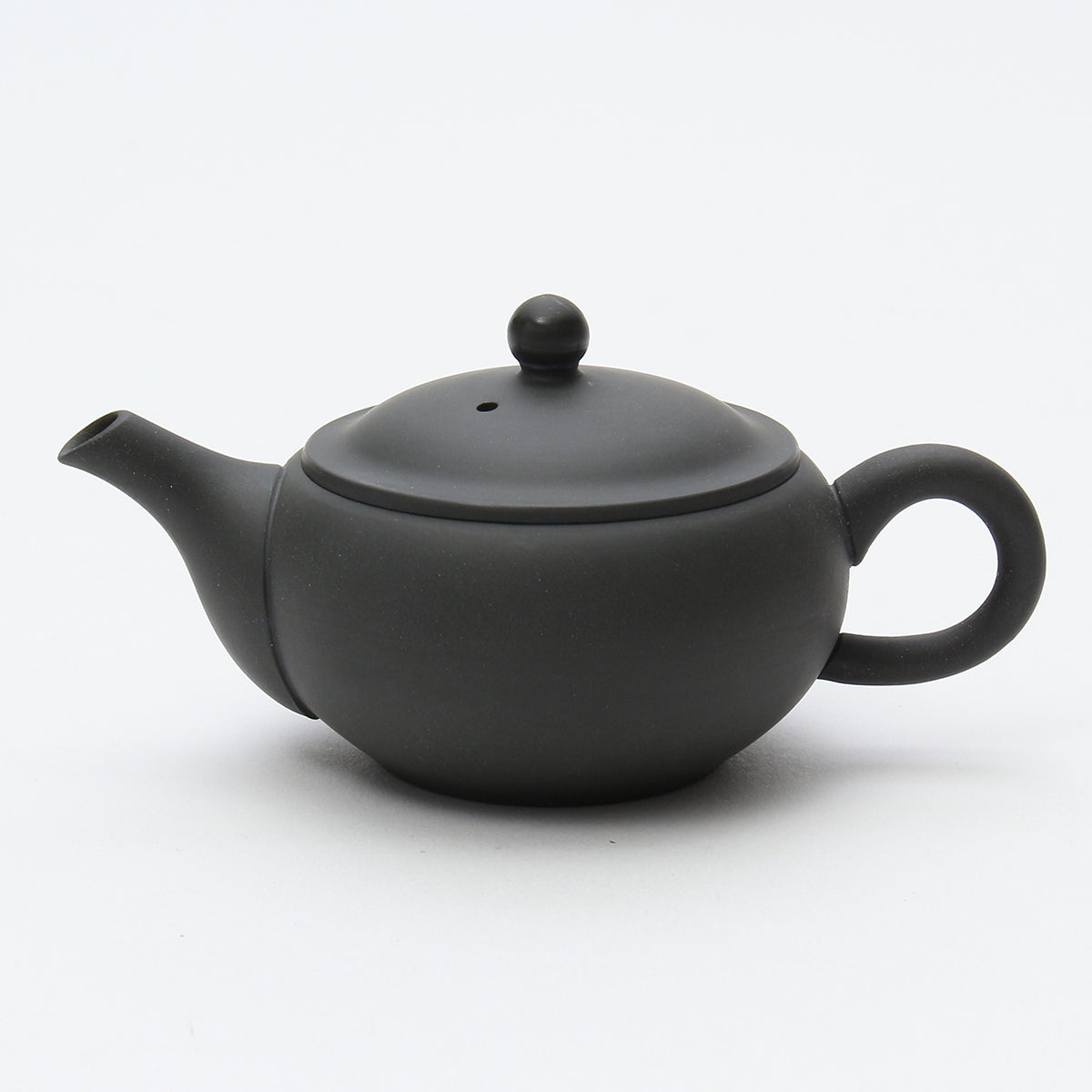

The first thing you notice is the aroma. Toasted grain, a little caramel, the soft warmth of milk. A Hojicha latte is roasted Japanese green tea brewed strong and combined with milk, which is why it tastes mellow, nutty, and gently sweet instead of grassy or sharp.
The tea behind it is Hojicha, a Japanese green tea that is roasted after processing. That one extra step changes a great deal.
The leaf turns brown, the scent deepens, and the cup moves away from the fresh, marine edge people often expect from green tea. In milk, that matters.
Hojicha holds its character. It does not fight the dairy. It settles into it.
That is also why Hojicha lattes tend to convert people who think they do not like tea lattes. The flavor is warmer than Matcha, less vegetal, and naturally lower in bitterness.
Not bland. Not flat. Just rounder.
For English-language readers coming to this drink through cafes, that is the important starting point: a Hojicha latte is not a brown Matcha latte. It comes from a different logic, and from a long roasted tea tradition in Japan.
What makes Hojicha different from Matcha
In the usual Hojicha vs Matcha latte comparison, both drinks start from Japanese green tea, but they arrive in the cup from opposite directions. Matcha is shade-grown, made from Tencha, then stone-ground into a vivid green powder. Its flavor can be creamy and sweet, but also grassy, savory, and at times a little bitter.
Hojicha begins with finished tea leaves that are roasted. The leaf darkens. The aroma shifts. Suddenly the tea smells nutty, woody, cereal-like, almost like the browned crust of bread.
That difference in processing is why the two lattes feel so distinct. A Matcha latte is brighter and greener.
It can carry umami, fresh spinach notes, and a kind of energetic lift. A Hojicha latte feels warmer and more settled. Less meadow, more hearth. Less chlorophyll, more toast.
If you are deciding between them by mood alone, Matcha often suits the morning when you want something vivid. Hojicha often suits the afternoon, when comfort matters.
Color tells part of the story, but texture tells the rest. Matcha is whisked powder, so the tea itself stays in the cup. That gives it a creamy body even before milk is added.
Hojicha can be used as powder too, but many Hojicha lattes are made from a strong leaf infusion, which gives a cleaner finish. The milk feels softer on the palate because the tea beneath it is less assertively vegetal.
Neither drink is better in any absolute sense. They are just tuned differently. If you want the shade-grown side of Japanese tea, the sweet-savory depth of finely milled green leaf, Matcha is the path.
If you want roast, softness, and a café drink that still tastes like tea rather than flavored milk, Hojicha is often the better fit. We go deeper into both styles in our guides to Hojicha and Matcha and Tencha.
Why roasted tea works so well with milk
This is the part many recipe pages skip. Hojicha is not pleasant with milk by accident. Roasting changes the chemistry of the tea in ways that make it especially friendly to dairy and milk alternatives.
One reason is catechin content. Catechins are among the compounds that give green tea its bitterness and astringency. When tea rich in those compounds meets milk, the interaction with dairy proteins can make the cup feel chalky, drying, or slightly rough, especially if the brew is strong.
Roasting reduces some of that edge. The tea still has structure, but less of the hard green bite that can stick out in a latte. That is why a Hojicha latte can taste tea-forward without feeling severe.
The other reason is aroma. Roasting creates compounds called pyrazines, which are also associated with the smell of coffee, toasted nuts, and browned bread. You do not need the chemistry to enjoy them.
You already know the feeling. They contribute to the roasted, toasty aroma you notice before you taste it. In Hojicha, those roasted notes bridge naturally into milk's sweetness. The two sides meet in the middle instead of pulling apart.
Roast level matters here. A light-roasted Hojicha can be elegant on its own, with gentle wood and straw notes, but in a latte it may disappear. Too much milk, and the cup tastes pleasant but vague.
Deep-roasted Hojicha has more authority. More cocoa-like depth, more toast, more persistence. If your homemade latte keeps tasting washed out, weak tea is not always the problem.
Sometimes the roast itself is just too light for the job.
The base tea matters too. Hojicha made from first-flush leaf often carries a sweeter undertone under the roast. Hojicha made from later-harvest leaf or Bancha tends to feel sturdier, more direct, and often better suited to milk-heavy drinks.
Stem Hojicha, called kuki-Hojicha, can be especially lovely when you want delicacy: less heavy roast, more soft sweetness, a cleaner finish. Same family of tea, different temperament.
All of that helps explain why Hojicha is more than a trendy café flavor. Roasted teas have long been part of everyday Japanese tea life because they are fragrant, approachable, and easy to drink with food. Turn that tea into a latte and the logic still holds.
The milk is new. The comfort is not. If you want the processing side in more detail, our article on how Hojicha is made shows how roast level and material shape the final cup.
How to make a Hojicha latte at home
A good Hojicha latte recipe is mostly about proportion. Brew the tea stronger than you would for a normal cup, then add milk while the aroma is still vivid. If the tea tastes balanced on its own before milk, it will usually taste weak after milk.
Think concentrated. Short. Intentional.
Using Hojicha powder
This is the easiest route and the most consistent for daily use. Hojicha powder gives you a fuller tea presence because the whole leaf stays in the cup, much like Matcha, but the flavor remains distinctly roasted.
- Use 1 to 1.5 teaspoons of Hojicha powder.
- Add 80 to 100 mL hot water.
- Heat 150 mL milk to about 60 to 65°C.
- Whisk the powder into the water until smooth, then pour in the milk.
If the powder clumps, the problem is usually not the tea. It is the mixing. Start with a small amount of water and make a loose paste first, then add the rest.
That gives you a smoother texture and a more even roast flavor all the way through. Powder is especially good when you want the same cup every morning without much setup.
Using loose leaf Hojicha
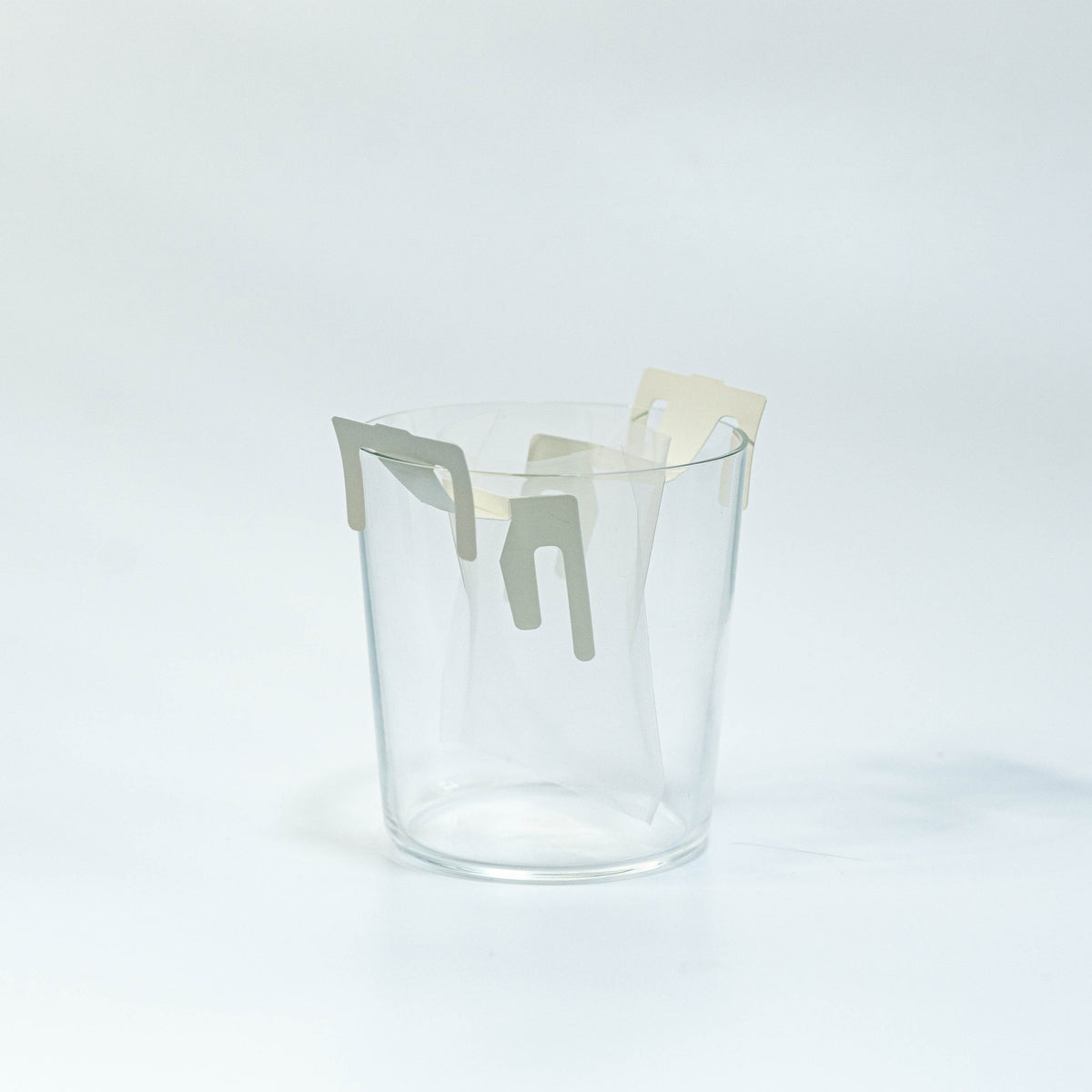
Loose leaf takes a little more work, but the aroma can be deeper and more layered. You smell the roast rising out of the cup rather than sitting only on the surface. For many tea drinkers, this is the more satisfying version.
- Use 2 tablespoons of leaves, about 6 grams.
- Add 80 to 100 mL water at 90 to 100°C.
- Steep for 30 to 45 seconds.
- Strain, then combine with heated milk.
The key is concentration. Brew it about twice as strong as you would for drinking straight. That usually means more leaf, less water, and a short infusion so the tea stays aromatic rather than stewed. A longer steep can flatten the roast and bring out harsher notes from the leaf underneath, especially if the Hojicha is made from finer base material.
If you want a softer cup, use slightly less milk and let the tea lead. If you want something closer to a café style drink, use the full milk portion and choose a deep-roasted leaf. Either way, pour and drink promptly. Roasted aroma is lively, but it fades faster than many people expect.
Iced Hojicha latte
The cold version works because roast reads clearly even over ice. Brew the tea concentrated, let it cool briefly, then pour it over ice and add cold milk. The drink becomes cleaner and more refreshing, but still keeps that cereal-like warmth in the background.
- Brew a concentrated base using powder or loose leaf.
- Fill a glass with ice.
- Pour the tea over the ice first.
- Add cold milk and stir gently.
Adding the tea first helps preserve the layered pour and keeps the milk from dulling the aroma immediately. If the iced version tastes muted, the fix is almost always the same as with the hot one: stronger tea, not more sweetness. Hojicha needs enough roast to stay visible once the temperature drops.
Powder or loose leaf, which is better?
The honest answer is that each version is better at something different. Powder is convenient, fast, and easy to repeat. There is no straining, no guessing about extraction, and very little cleanup.
For a weekday Hojicha latte, especially one made before work, that matters. Powder also gives a fuller tea body, so even small amounts can taste satisfying.
Loose leaf is more nuanced. The aroma tends to feel wider, with more movement from sip to sip. One cup may lean toward toasted nuts, another toward wood, cocoa, or autumn leaves.
That complexity is part of the pleasure, but it asks more from you. You need the right amount of leaf, the right concentration, and a little more attention to timing.
Our view is simple. Powder for weekdays. Loose leaf for weekends, or whenever you want the tea itself to feel more present than the method.
If you are just starting out and want the easiest path to a reliable Hojicha latte recipe, begin with powder. If you already enjoy brewing tea and want a cup with more aromatic detail, keep a good loose leaf Hojicha on hand too.
Tips and troubleshooting
Most Hojicha latte problems come down to tea strength, roast level, or milk choice. The fixes are usually small.
- Too weak. Brew more concentrated tea by using less water, more tea, or both. Milk softens roast quickly.
- Too bitter. Lower the water temperature a little or shorten the steep. Even roasted tea can turn hard if over-extracted.
- Tastes flat. Try a deeper-roasted Hojicha. Medium roasts that taste balanced on their own can vanish in milk.
- Milk dominates the cup. Reduce the milk slightly or choose powder instead of leaf for more tea presence.
- Best milk alternative. Oat milk pairs especially well because its grain notes echo the roast instead of covering it.
There is also the question of caffeine, which comes up often with Hojicha. Many people reach for it because it feels gentler than coffee or Matcha, and in practice it often does, but the exact level depends on the base tea, the part of the plant used, and how strongly you brew it.
Stem-heavy Hojicha and shorter infusions usually feel lighter. Powder and concentrated brews feel stronger. We unpack that in more detail in our guide to Hojicha caffeine.
One more small note from our side. Sweeteners are optional, not structural. If the tea and milk are in balance, a Hojicha latte already carries a natural impression of sweetness from the roast.
Start there. Then decide if it actually needs anything else.
At FETC, what we like most about a Hojicha latte is that it still lets the tea speak. It may be a modern café drink in form, but the appeal comes from something older: roasted tea made for ordinary comfort and ordinary meals. When the roast is right, the milk does not hide that history. It makes it easier to taste.
Knowing a little more about the tea behind the cup changes the drink. You choose a deeper roast. You brew it stronger. You notice whether the sweetness comes from first-flush leaf, from stems, or from the milk itself.
Small shifts. Better cups.
If you want to keep reading from there, our piece on why people value Hojicha beyond flavor adds more context to this quiet, roasted tea. And if the right cup matters as much as the right tea, take a look at our tea cup collection.
Frequently Asked Questions
What is the best starting ratio for a Hojicha latte?
We like 1 to 1.5 teaspoons of Hojicha powder, or about 6 g loose leaf, with 80 to 100 mL hot water and 150 mL milk. Treat it as a starting point and adjust the strength to taste.
What water temperature and steeping time work for loose leaf Hojicha latte?
Use 80 to 100 mL water around 90 to 100°C and steep about 30 to 45 seconds. The goal is a short, concentrated brew, not a long infusion that flattens the roast.
Should I use Hojicha powder or loose leaf for a latte?
Powder is faster, consistent, and gives a fuller tea body because the whole leaf stays in the cup. Loose leaf takes more attention, but the roasted aroma can feel deeper and more layered.
Why does my homemade Hojicha latte taste weak?
The tea base is usually too light, too diluted, or not roasted deeply enough. Brew stronger with less water or more tea, and consider a deep-roasted Hojicha when milk keeps hiding the aroma.
What milk works well with Hojicha latte?
Dairy milk gives round sweetness when warmed to about 60 to 65°C. Oat milk also works well because its grain notes echo the roasted tea, though the best match varies by individual taste.