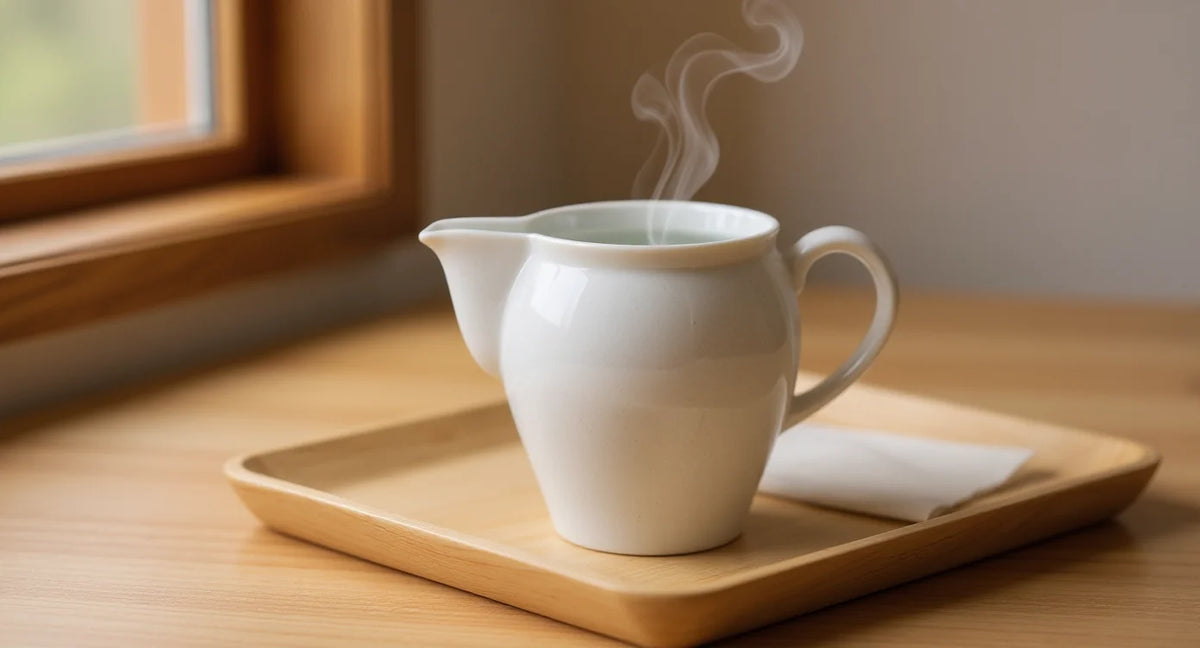

The right water temperature for green tea is 70–80°C (158–176°F). Use water that is too hot and you pull out more catechins — the compounds responsible for astringency and bitterness. Use cooler water and theanine, the amino acid behind sweetness and umami, comes forward instead. The same leaves, brewed at two different temperatures, can taste like entirely different teas. That single variable — heat — does more to shape what is in your cup than almost anything else.
Below is a quick reference for the main tea types, their ideal temperatures, and what each range tends to produce.
| Tea type | Temperature | Steep time | What you get |
|---|---|---|---|
| Gyokuro | 50–60°C (122–140°F) | 120 sec | Umami-forward, sweet, almost no bitterness |
| Kabusecha | 60–70°C (140–158°F) | 90 sec | Rich umami, gentle, low astringency |
| Sencha | 70–80°C (158–176°F) | 60 sec | Balanced, bright green, clean finish |
| Genmaicha | 80–90°C (176–194°F) | 60 sec | Nutty, mellow, toasty rice |
| Hojicha | 90–100°C (194–212°F) | 30 sec | Roasted, bold, low astringency |
| Oolong | 90–95°C (194–203°F) | 45 sec (gongfu); 2–3 min Western-style | Floral to roasted, layered |
| Black tea | 95–100°C (203–212°F) | 3–5 min | Brisk, full-bodied, malty |
Why temperature changes flavor
Temperature controls which compounds dissolve first. Tea leaves contain hundreds of chemical constituents, but three dominate the taste experience: catechins (astringency), L-theanine (sweetness, umami), and caffeine (bitterness). Each dissolves at a different rate depending on heat.
L-theanine is highly water-soluble and extracts readily even at low temperatures. Catechins require more heat — they stay behind at 50°C but dissolve efficiently above 75°C. Caffeine sits somewhere in between. This is why a cup brewed at 60°C tastes sweeter and more umami-forward than one brewed at 90°C from the same leaves: you are extracting theanine while leaving most catechins behind. High-temperature brewing pulls everything out, including the compounds that make tea taste sharp and astringent.
The practical implication is simple. If your tea tastes harsh, lower the temperature before anything else. If it tastes flat, raise it slightly — or steep a little longer.
Green tea — finding the right temperature
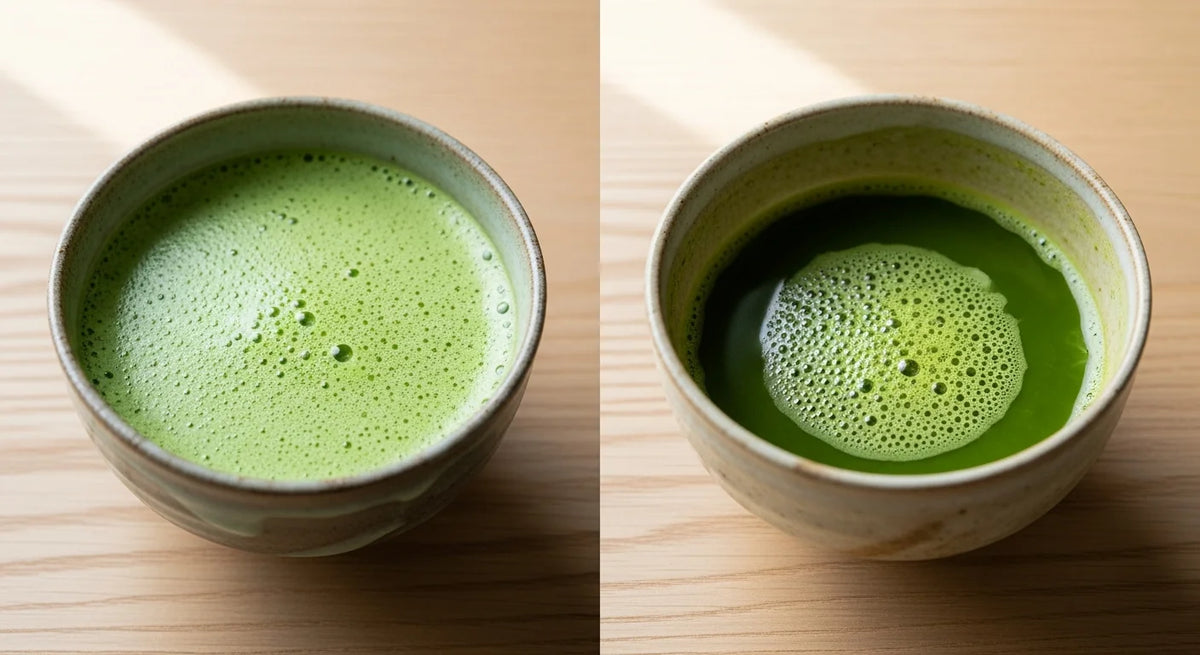
Green tea is brewed cooler than almost any other tea category, and the range within green tea is wider than most people expect. 50°C produces a radically different cup from 80°C, even when the leaves are identical.
Sencha, the most common everyday green tea, brews well at 70–80°C. That range captures a balance between sweetness and astringency that most people find naturally appealing. At 70°C the cup leans sweeter and softer, the vegetal note quiet and round. At 80°C it brightens — more brisk, with a clean grassy finish. Small adjustments within this window make a noticeable difference. Our Sencha brewing guide covers the full method, including leaf ratios and pour technique.
Gyokuro requires a lower temperature still — 50–60°C — because it has been grown under shade for several weeks before harvest. Covered cultivation suppresses photosynthesis and causes the plant to accumulate more L-theanine in its leaves. There is simply more sweetness to extract. Brewing Gyokuro at 80°C is not wrong, exactly, but you lose the umami depth that makes it worth buying. Low heat, small volume, long steep: the result is concentrated and almost brothy, with almost no bitterness.
Kabusecha sits between the two. Shaded for a shorter period than Gyokuro, it has elevated theanine but not to the same degree. 60–70°C draws out the umami while keeping a gentle structure — not as intense as Gyokuro, not as brisk as Sencha. It is a quieter cup, good for afternoons when you want something with depth but not weight. Temperature also changes how vitamins and amino acids extract — for more on the compounds behind the flavor, our guide to vitamins in tea shows which are heat-sensitive and which survive the cup.
Oolong and black tea — when hotter water works
Oolong and black tea both need high heat — not because they can withstand it, but because their compounds actively benefit from it.
Oolong covers a wide spectrum of oxidation levels, from lightly oxidized (closer to green tea) to heavily oxidized (closer to black). Most oolongs brew well at 90–95°C. The high temperature is needed to volatilize the aromatic compounds that give oolong its floral or fruity character — those scents are locked in until heat releases them. Brewing oolong too cool leaves the cup flat, the aroma muted. Our guide to brewing oolong walks through how oxidation level should influence your approach.
Black tea is fully oxidized. The oxidation process chemically transforms catechins into theaflavins and thearubigins — compounds that contribute the malty, brisk character associated with black tea but that behave differently from the catechins in green tea. They extract well at near-boiling temperatures and do not produce the same harshness that boiling water causes in green tea. 95–100°C gives black tea its full body, its depth, and the slight grip that makes it work so well with milk.
Hojicha and Genmaicha also sit in the high-temperature zone, though they are technically green teas. Roasting neutralizes much of the catechin load in Hojicha, so boiling water extracts the toasty, caramel-edged character without producing bitterness. Genmaicha's roasted rice similarly benefits from heat — the nutty, grain-forward notes open up at 80–90°C in a way they do not at lower temperatures.
Cold brewing — a different extraction
Cold brew operates on a different logic entirely. Steeping tea in cold water (5–15°C) for four to eight hours extracts theanine and caffeine while leaving most catechins behind. The result is a smooth, sweet cup with almost no astringency — not a diluted version of hot-brewed tea, but a genuinely different flavor profile that hot water cannot replicate.
The trade-off is time. Cold brew requires planning ahead. But the method is forgiving: it is difficult to over-steep in cold water, and the resulting tea keeps well in the refrigerator for a day or two. Our cold and ice brew guide covers ratios and timing for several tea types. Sencha, Gyokuro, and Kabusecha all make excellent cold brews — the low-temperature extraction suits teas with high theanine content.
Getting the temperature right without a thermometer
A dedicated thermometer is useful, but not required. There is a simple transfer method that works reliably.
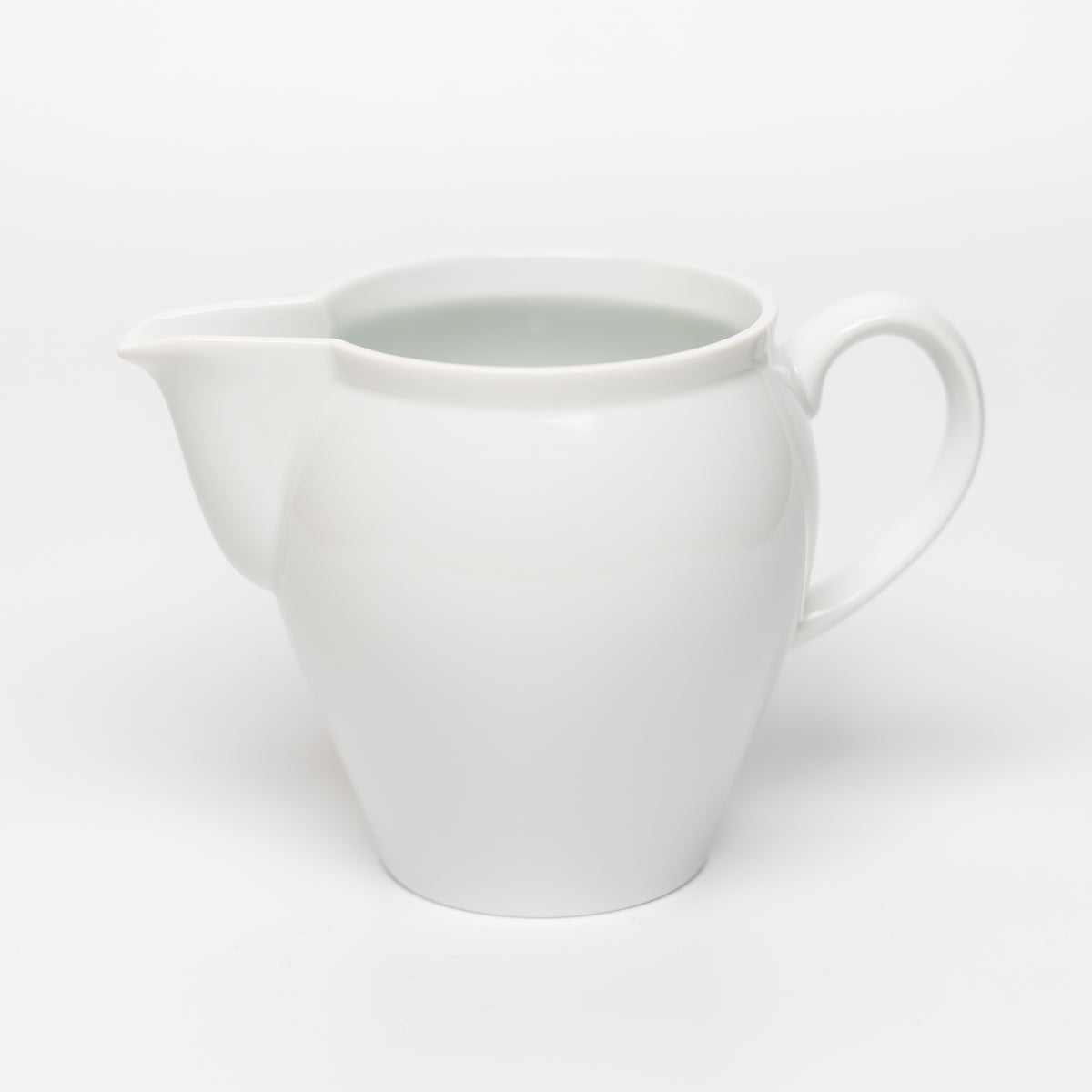
Boil water, then pour it from the kettle into an empty cup. Wait 30 seconds, then pour from the cup into the teapot with the leaves. Each transfer cools the water by roughly 10°C. One transfer from kettle to cup gets you to about 90°C — right for Hojicha or Genmaicha. A second transfer brings you to roughly 80°C, the Sencha zone. For Gyokuro, let the water rest a little longer in the cup before pouring. If you'd rather use a purpose-made tool than an empty cup, our guide to the yuzamashi covers the traditional vessel built for exactly this job.
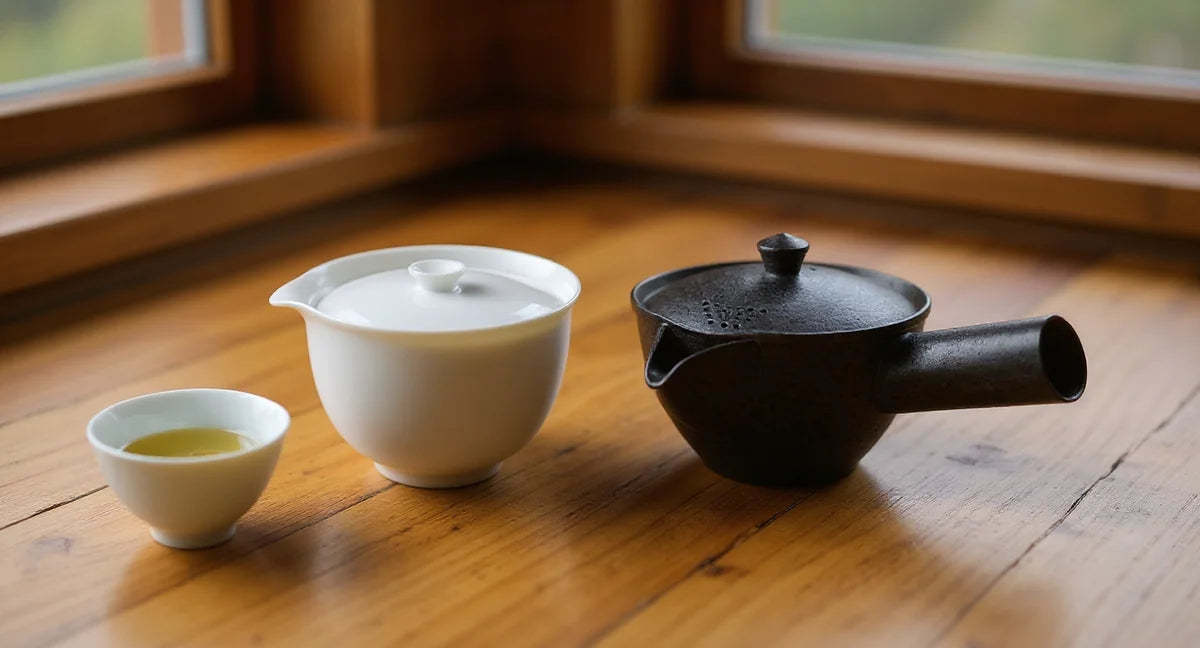
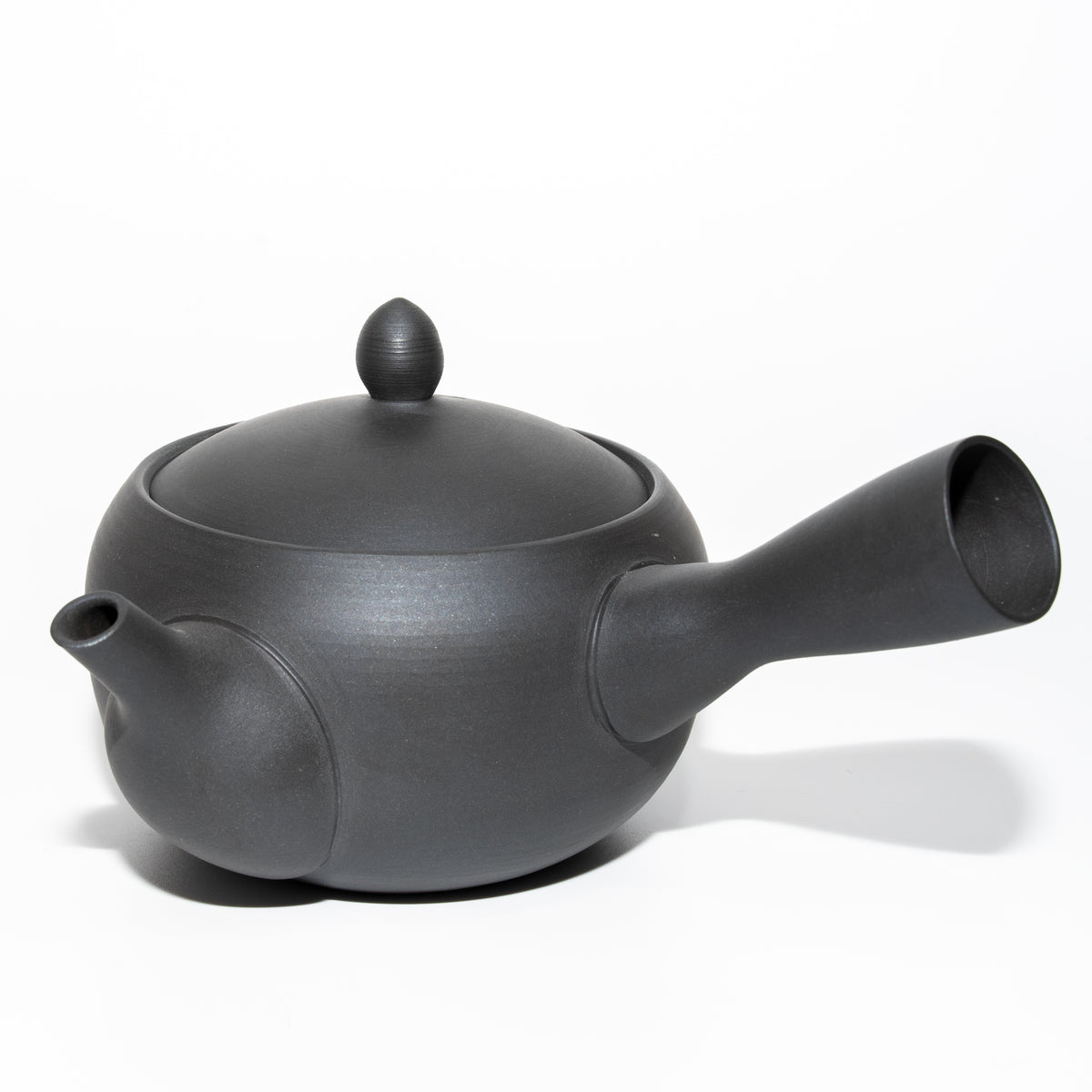
The type of teapot matters here too. A thin-walled vessel loses heat faster than a thick ceramic one. If you are brewing Gyokuro in a small porcelain kyusu, the temperature may drop further during the steep — which can actually work in your favor. Water quality also plays a role: soft water extracts more efficiently at lower temperatures, which is part of why Japanese water suits Japanese tea so well.
The most accessible variable
Of all the factors that shape a cup of tea — leaf quality, water, steepware, leaf-to-water ratio — temperature is the one you can control precisely with the least equipment. The same leaves, the same water, five degrees of difference: a noticeably different cup. Once you know what each temperature range tends to produce, you can start adjusting deliberately rather than guessing.
If you are building up a home brewing setup, our tea selection covers everything from shaded Gyokuro to roasted Hojicha — teas that reward the kind of attention to temperature this guide describes.
Frequently Asked Questions
What does boiling water do to green tea?
Boiling water extracts catechins rapidly, producing a cup that is harsher and more astringent than necessary. For most green teas, 70–80°C produces a better balance. Gyokuro specifically rewards even lower temperatures, around 50–60°C, where the umami comes forward cleanly.
What temperature is best for oolong?
Most oolong brews well at 90–95°C. High heat releases the aromatic compounds behind floral or fruity character; water that is too cool leaves the cup flat and the aroma muted.
Can I use the same temperature for all teas?
No. Green tea brews best at 70–80°C, where theanine and catechins extract in rough balance. Black tea needs 95–100°C to develop its full body and malty character. Brewing black tea at green tea temperature produces a weak, flat cup. Brewing green tea at black tea temperature produces a harsh, bitter one. Temperature is not a detail — it determines which tea you are actually drinking.