

Kyusu/Teekanne (Sandweiß)
NANKEI POTTERYYokkaichi, Mie
Versand aus Japan. Lieferung in der Regel innerhalb von 1–2 Werktagen. Kostenloser Versand ab einem Mindestbestellwert – der genaue Betrag variiert je nach Zielland.
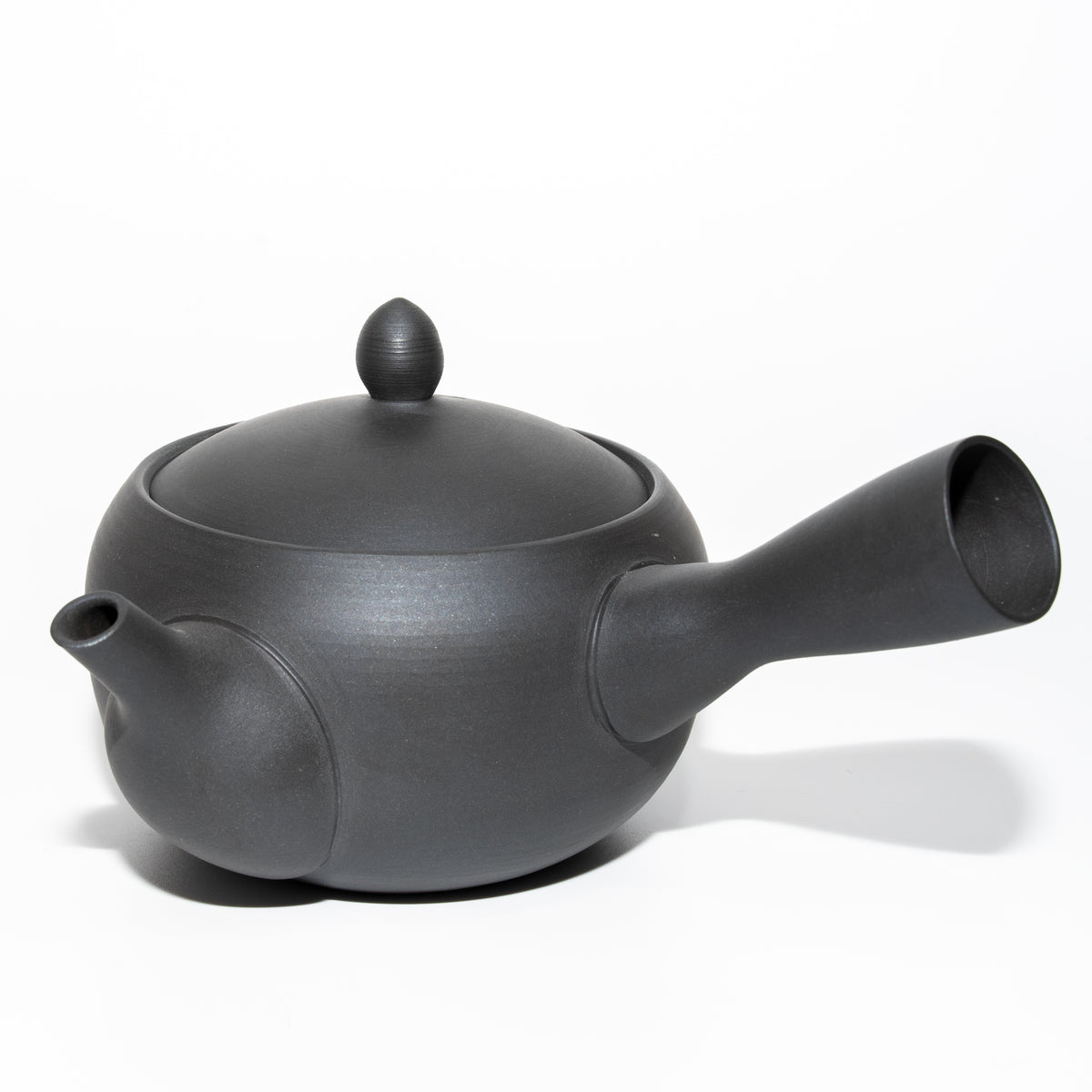
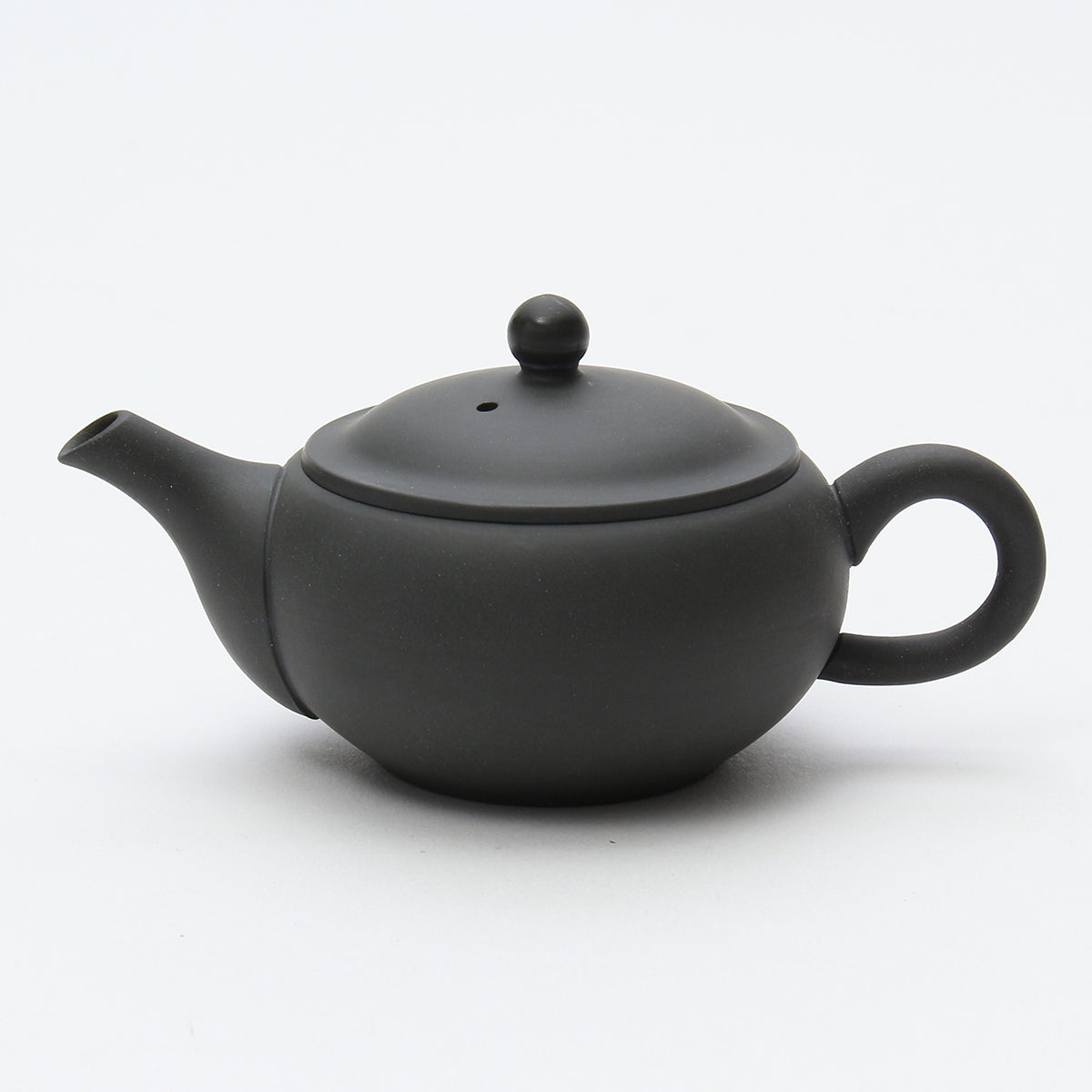
Die Sand White Kyusu ist eine Teekanne im Shiboridashi-Stil von NANKEI POTTERY (南景製陶園), gefertigt in der Banko-yaki-Tradition von Yokkaichi, Präfektur Mie. Shiboridashi ist eine der ältesten Aufbrühmethoden Japans: Anstelle eines herausnehmbaren Siebs fangen feine Löcher in Korpus und Deckel die Blätter beim Ausgießen auf — die traditionelle Art, gröbere, blattbetonte Tees wie Hojicha oder Sencha zuzubereiten. Da sowohl Korpus als auch Deckel als Filter wirken, lassen sich beide Seiten der Siebfläche direkt reinigen, was die Pflege mühelos macht. Der Ton basiert auf einer Originalrezeptur, die NANKEI seit über 50 Jahren verwendet.
Die helle Oberfläche entsteht durch eine weiße Tonschicht, die vor dem Brand in den Korpus eingearbeitet wird — eine Farbe im Ton selbst, nicht auf ihm aufgetragen. Mit 300 ml brüht die Kanne für ein bis zwei Personen; das Shiboridashi-Design ermöglicht es, bei Bedarf direkt in die Tasse einzugießen.
Nur Handwäsche
- Nicht spülmaschinenfest. Bitte nur von Hand waschen.
- Nicht mikrowellengeeignet.
Der Handwerker
NANKEI POTTERY — Banko-yaki, Yokkaichi, Mie
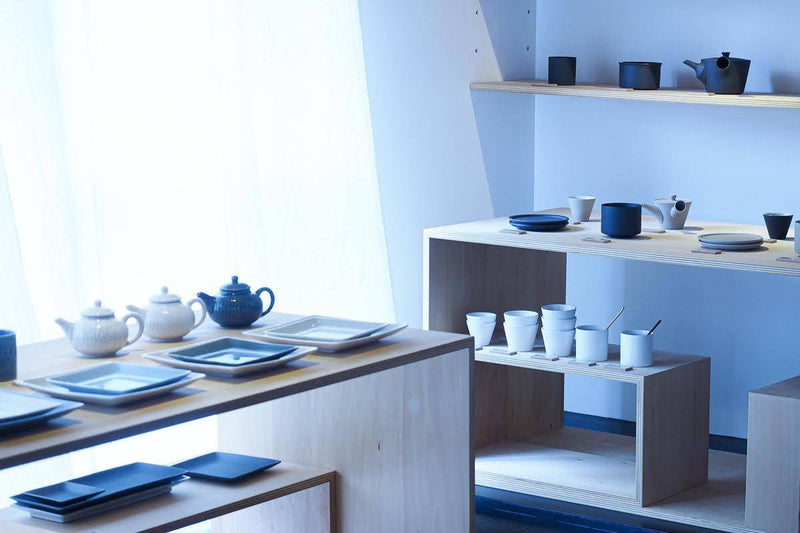
Gefertigt von NANKEI POTTERY – einer japanischen Werkstatt, deren Stücke wir täglich in unserem eigenen Teeraum verwenden.
Das könnte Ihnen auch gefallen