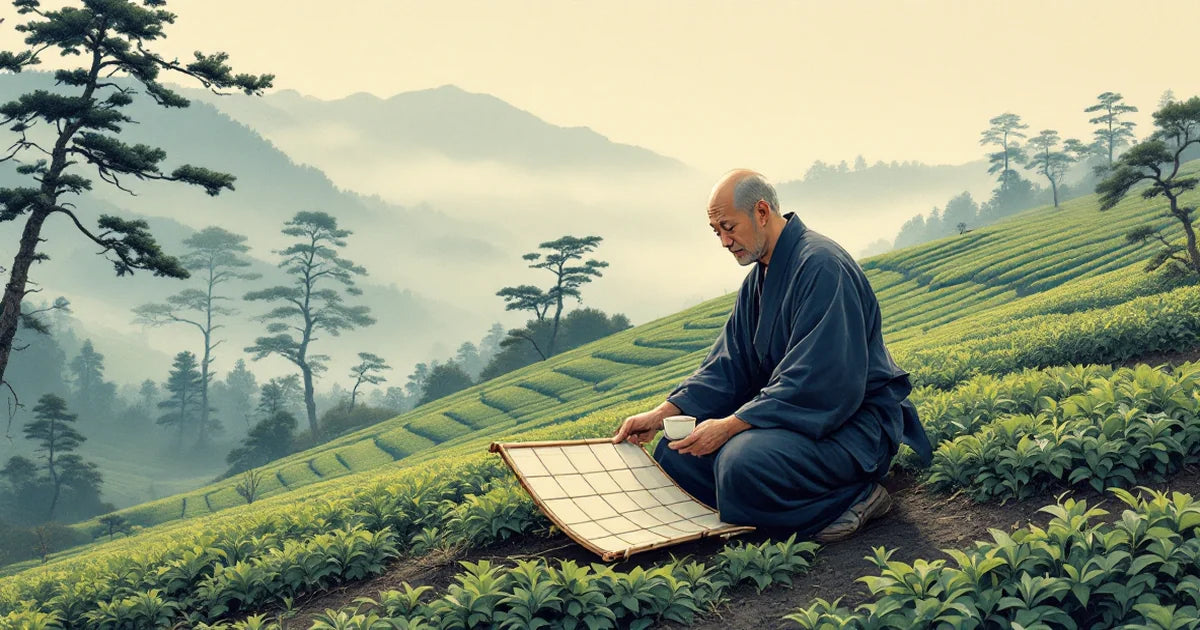
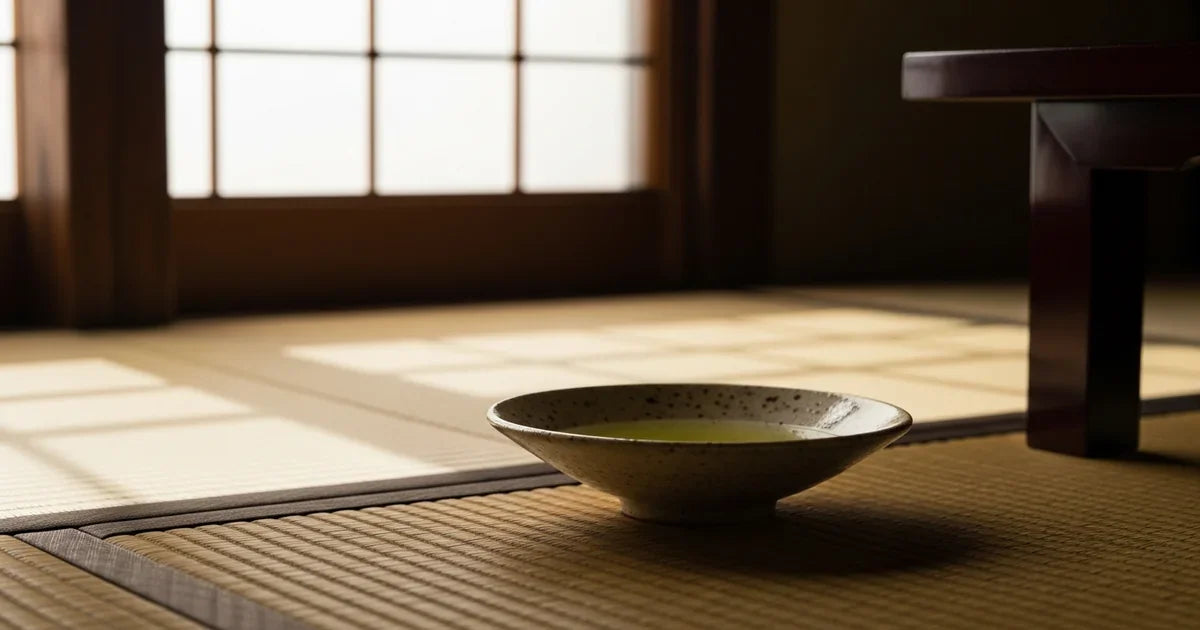
Susuri-cha : boire le thé japonais en petites gorgées
Dans une petite tasse, quelques gouttes de thé suffisent. Vous aspirez doucement ; l'arôme remonte vers le nez et le ...
Mis à jour oct. 2026
Lire la suite
Encyclopédie du thé japonais
Comment infuser, quel cultivar, où il pousse et pourquoi il a ce goût. Écrit à partir de notre expérience de sourcing et de dégustation du thé japonais.
Dans une petite tasse, quelques gouttes de thé suffisent. Vous aspirez doucement ; l'arôme remonte vers le nez et le ...
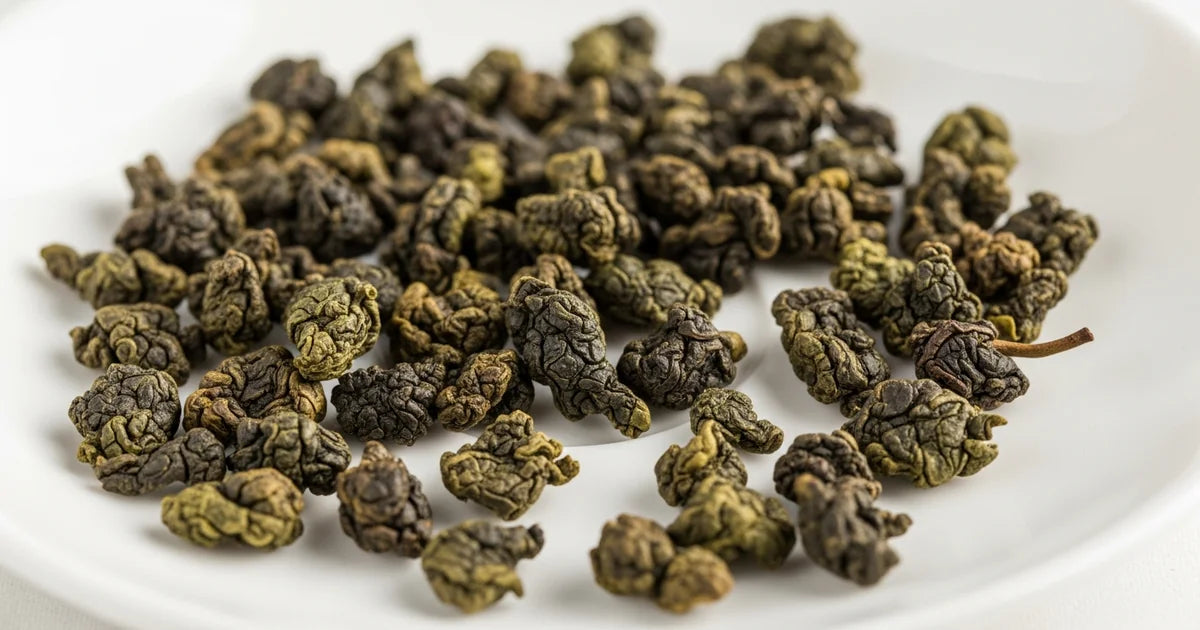
Discover the ingredients in oolong tea and how they contribute to its flavor, aroma, and color. Oolong tea contains c...
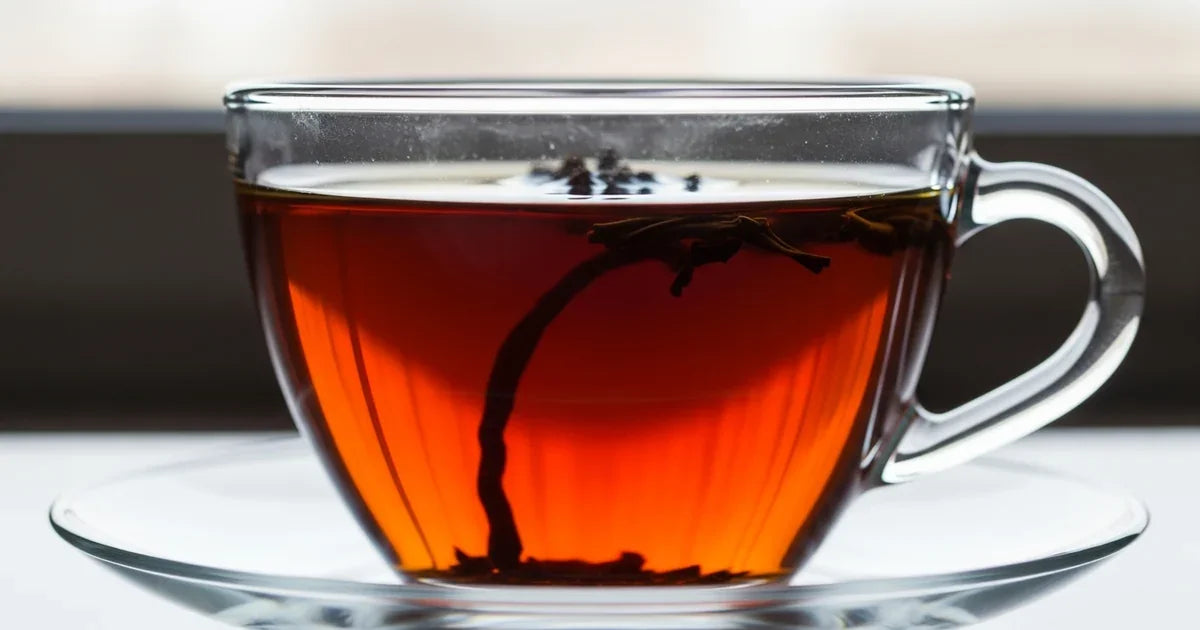
Black tea is fermented and contains catechin, caffeine, amino acids, and aroma components. Fresh tea leaves contain v...
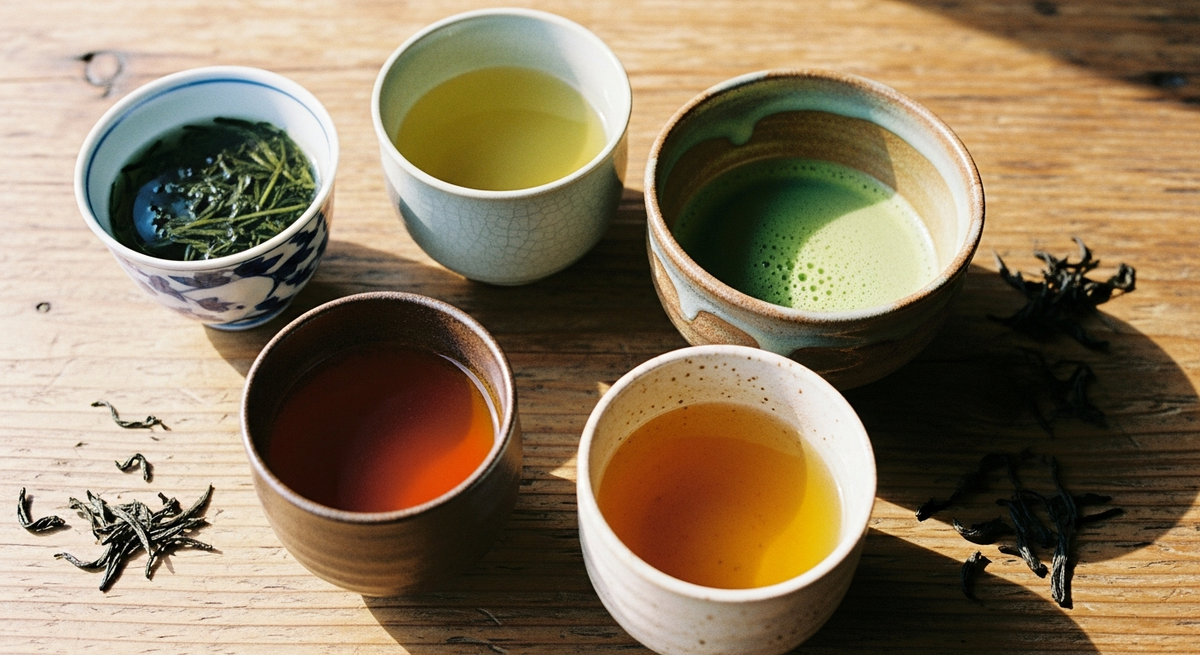
Le Sencha sent le vert vif, les tiges fraîches. Le Hojicha monte chaud et grillé. Le Gyokuro s'avance dans une direct...
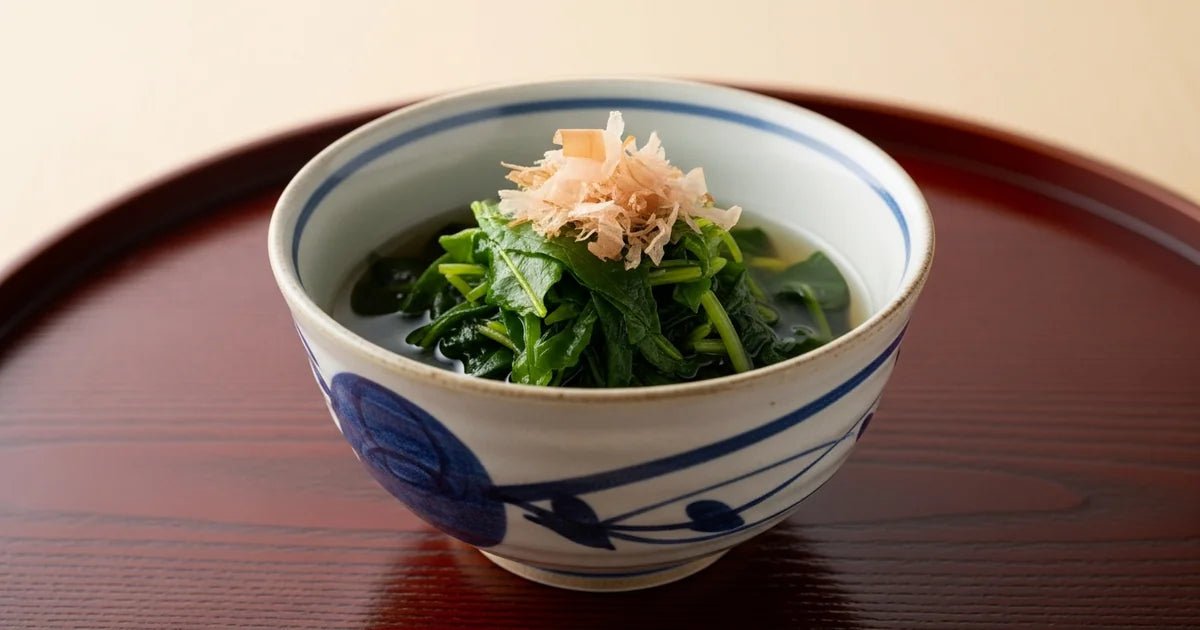
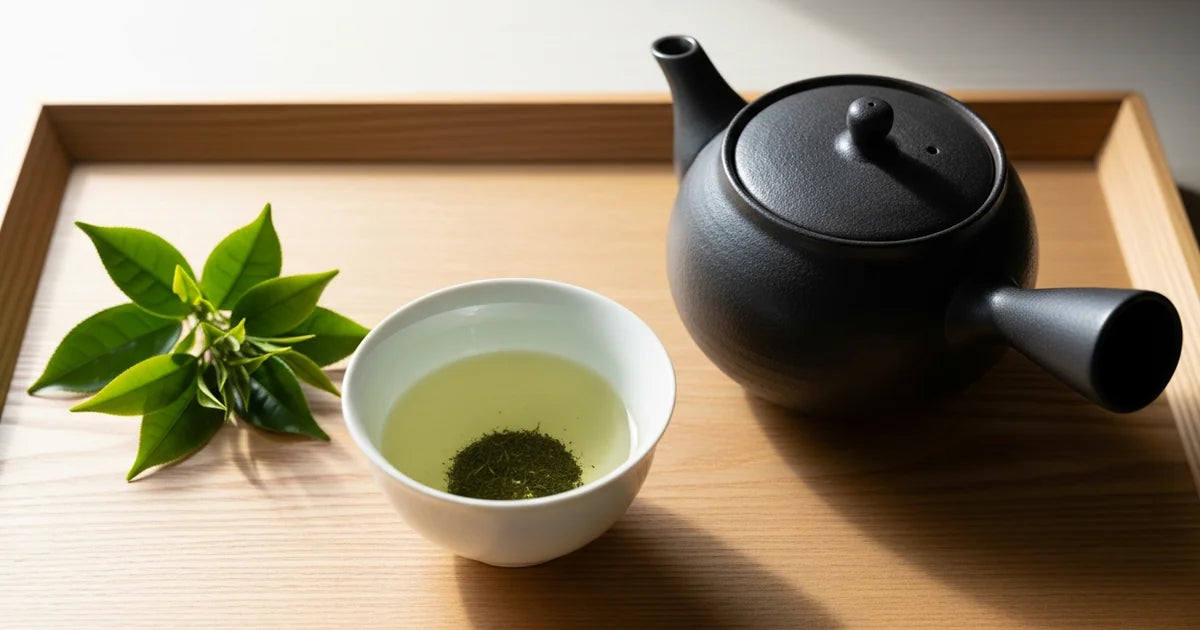
Les feuilles au fond du kyusu sentent encore le vert, douces, légèrement végétales. On peut les manger. Si vous vous ...
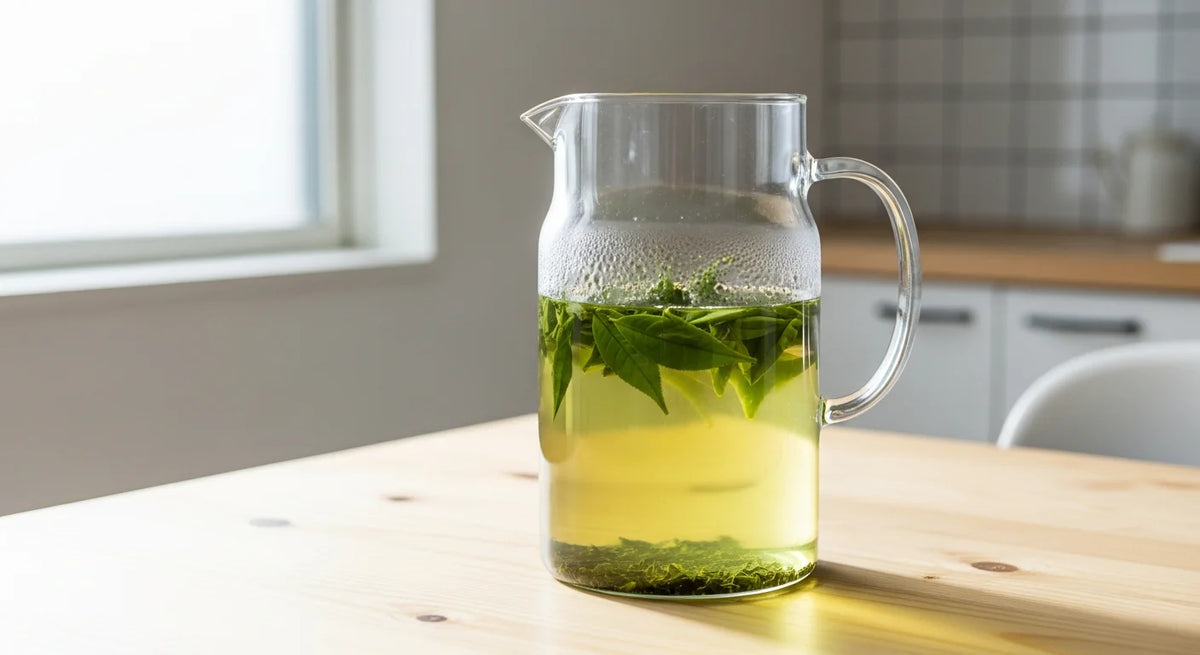
Un pichet de thé vert pâle attend au fond du réfrigérateur depuis hier soir. C'est ça, l'infusion à froid — pas une t...
Pour infuser le sencha, commencez par surveiller l'eau avant les feuilles. La bonne température change tout : la...
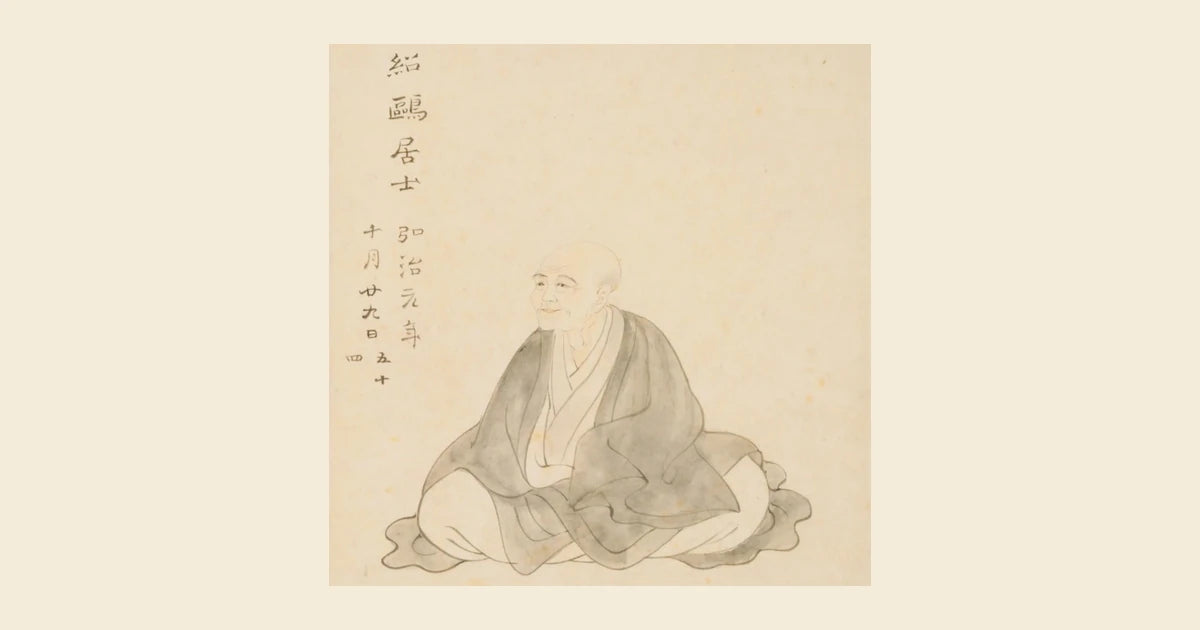
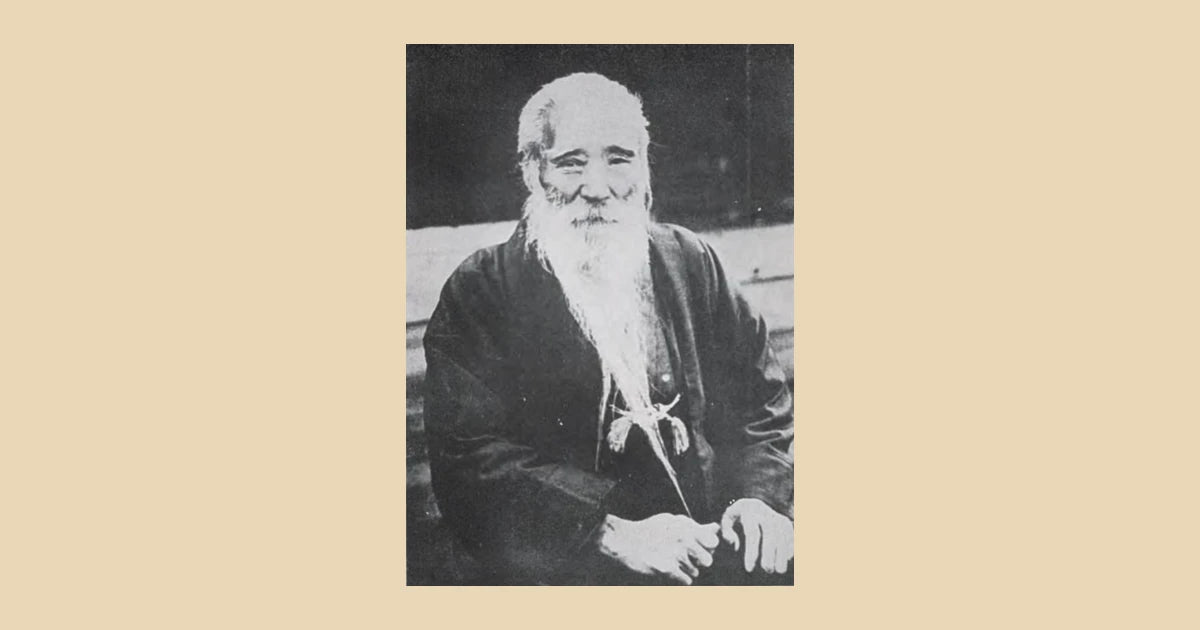
Takeno Joo (vers 1502–1555) est un marchand et maître de thé de Sakai, dont les origines restent incertaines. Sakai c...
Le thé sencha profondément étuvé de Makinohara — avec son umami généreux, sa liqueur d'un vert profond, et cette douc...
Le Gyokuro — thé ombragé le plus précieux du Japon, reconnu pour sa douceur caractéristique et son umami profond — n'...
La prochaine fois que vous préparez un Sencha japonais, regardez les feuilles un instant. Il y a de bonnes chances qu...
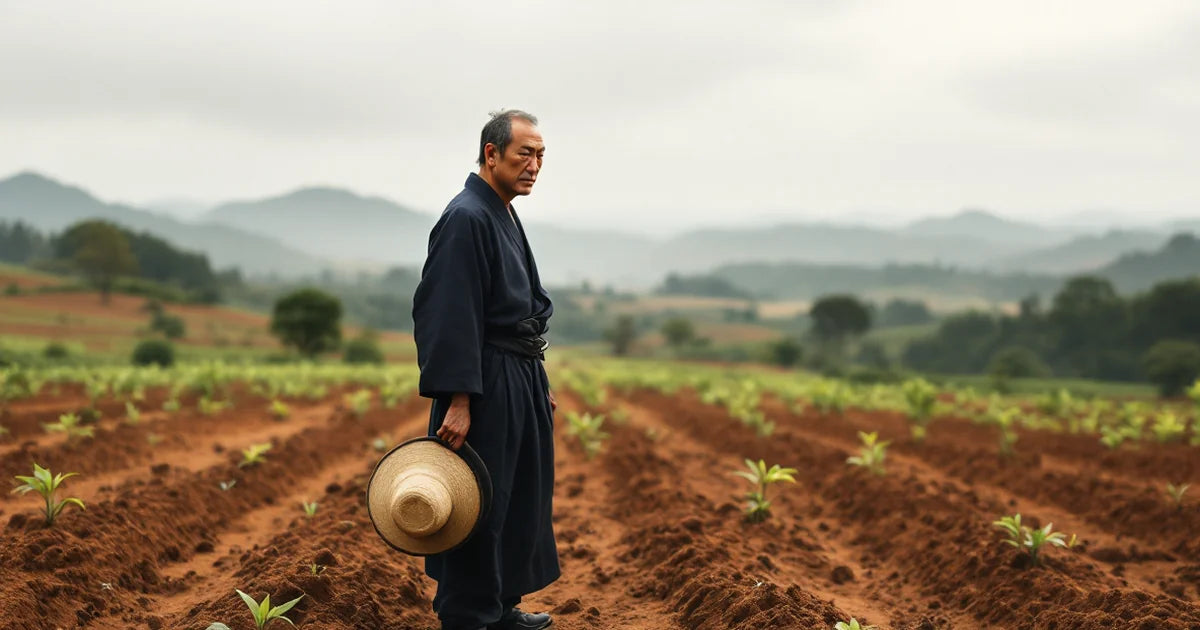
La théanine — source de la douceur umami du Sencha — est synthétisée à partir de l'azote du sol. Fertiliser, c'est dé...
Passez à la pratique
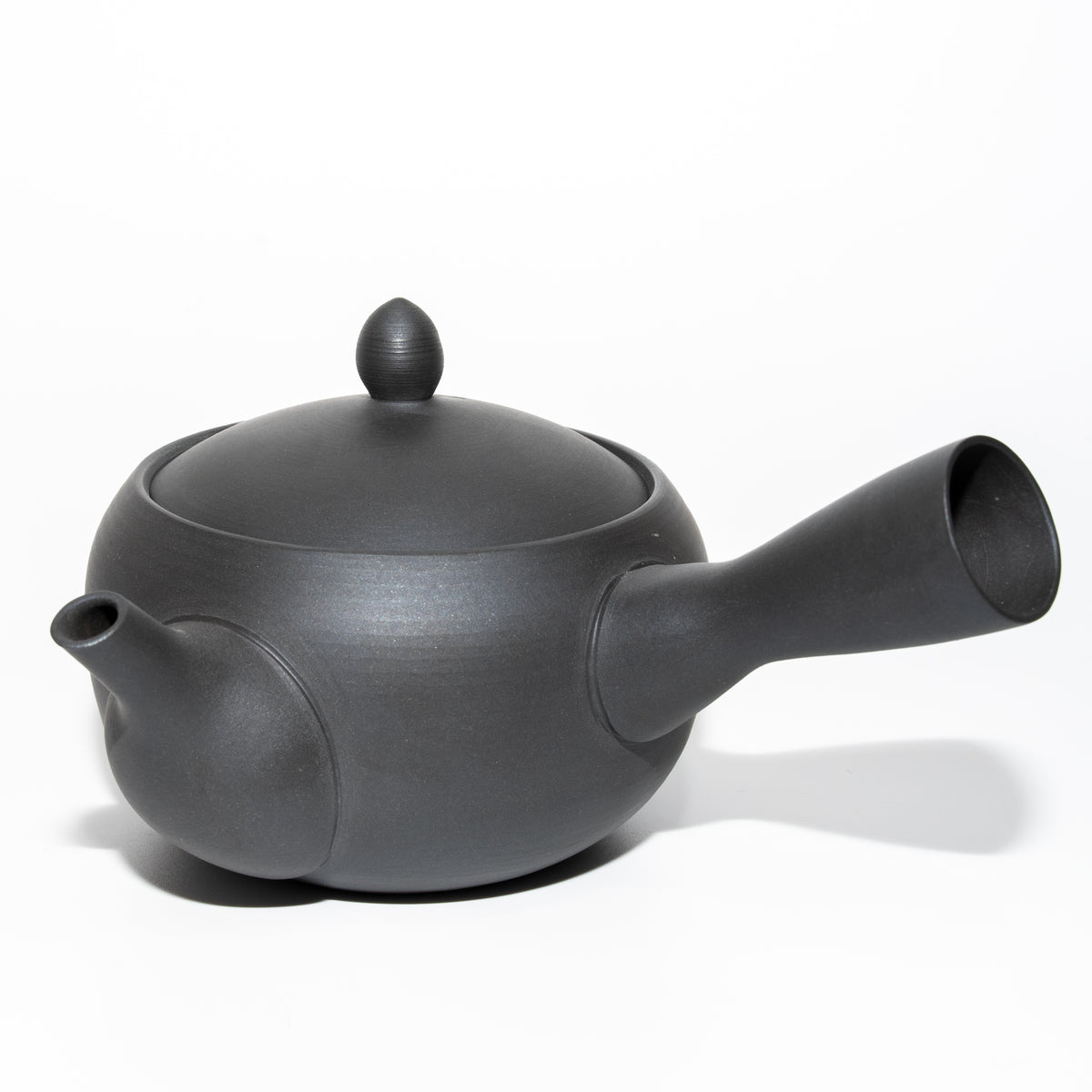
Vaisselle à thé artisanale de sept fours japonais — et les histoires de ceux qui la façonnent.