
お茶の百科事典
不発酵茶
34 件
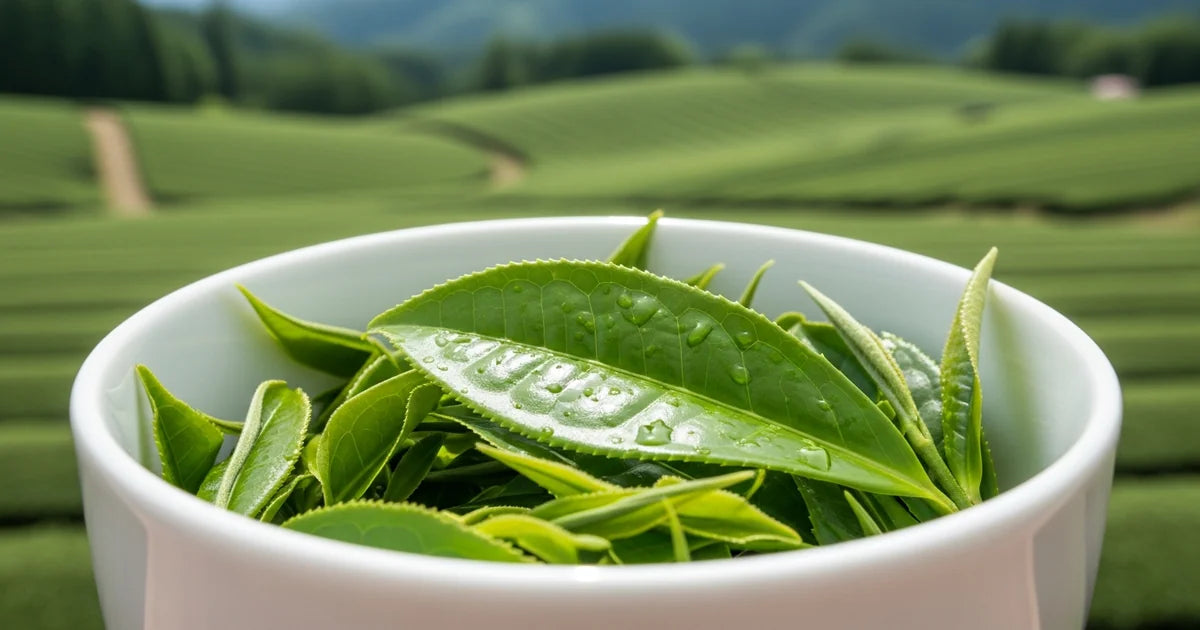
玉露は収穫前に20日以上かけて被覆します。黒いシートで日光を遮り、テアニンがカテキンへ変化するのを抑える。手間と時間をかけて生み出すのが、玉露の濃い旨味です。あさつゆは、その旨味を被覆なしで作り出します。太陽の下、開放された茶園で育ち...
日本の緑茶の袋を開けると、たいてい草、海藻、清涼感のある緑の香りが立ち上ります。香駿の袋を開けると、最初に届くのは花です。ジャスミン、ランに近い何か、乾燥した茶葉の段階からすでに甘い香気があります。日本緑茶の香りの傾向に慣れた人にとっ...
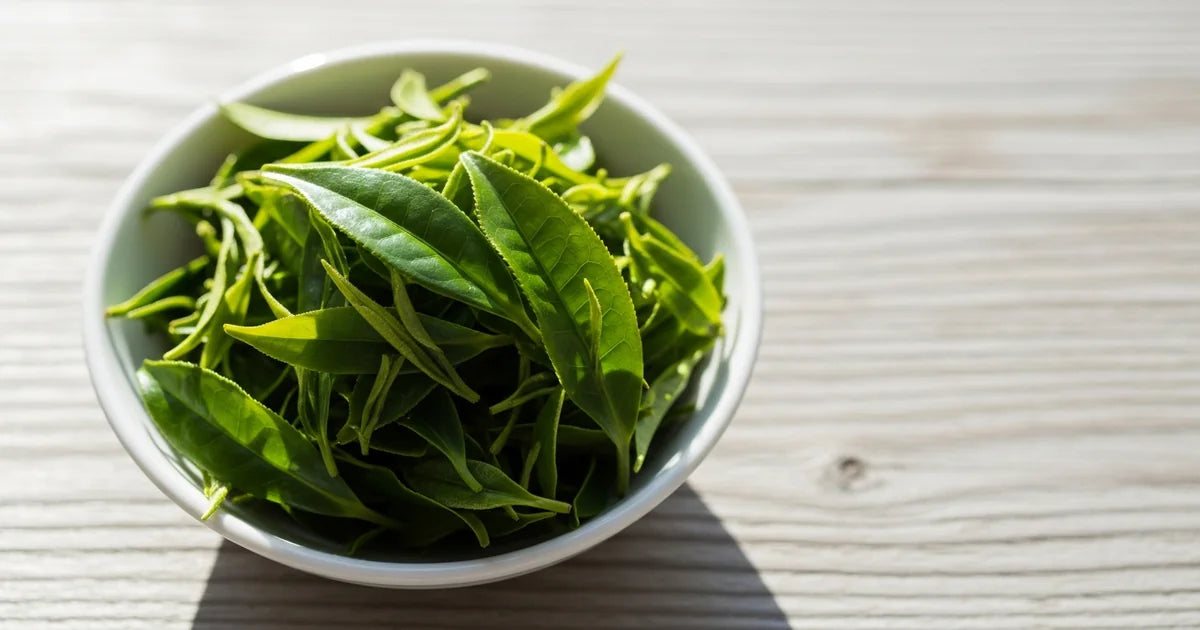
日本の茶品種の多くは、どこかで選択を迫られます。旨味が強い品種は耐寒性が低く、育てにくい。寒冷地でも育つ品種は、繊細さで他に劣ることがある。あさつゆのように天然の旨味が強い品種は、霜害リスクが高く栽培地域が限られます。つゆひかりは、そ...
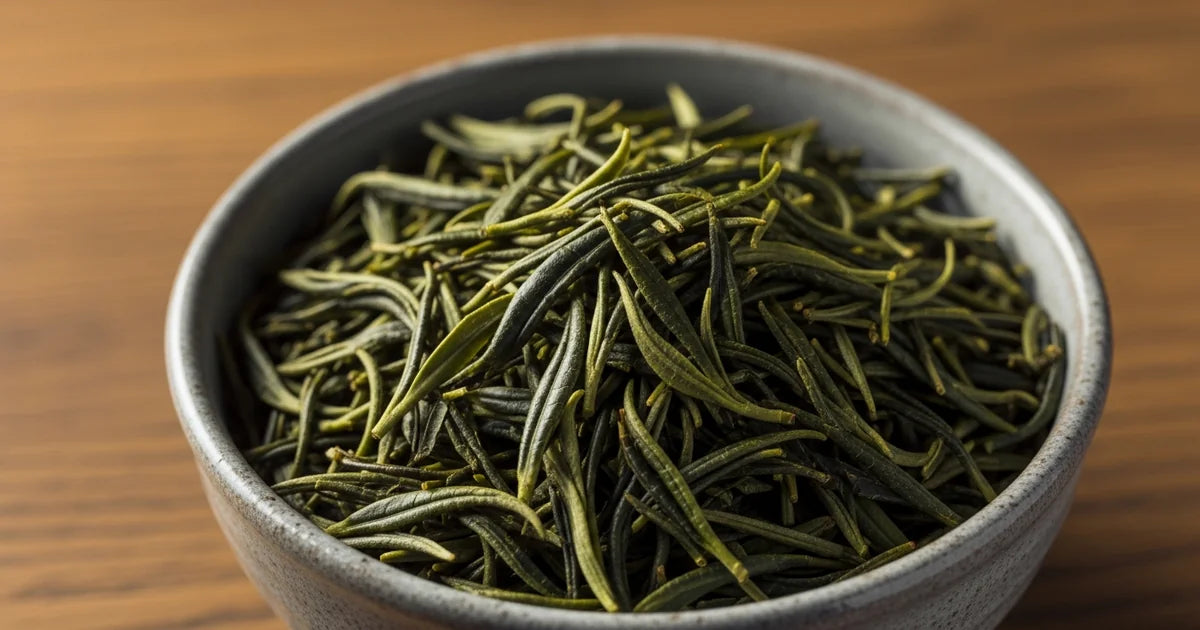
日本の茶産地というと、太平洋側を想像する人が多いでしょう。静岡の山の斜面、鹿児島の温暖な茶園、三重や京都の川沿い。埼玉はそのイメージからは少し外れます。内陸に位置し、冬の寒さは茶の栽培に厳しい。さやまかおりは、その限界を克服するために...
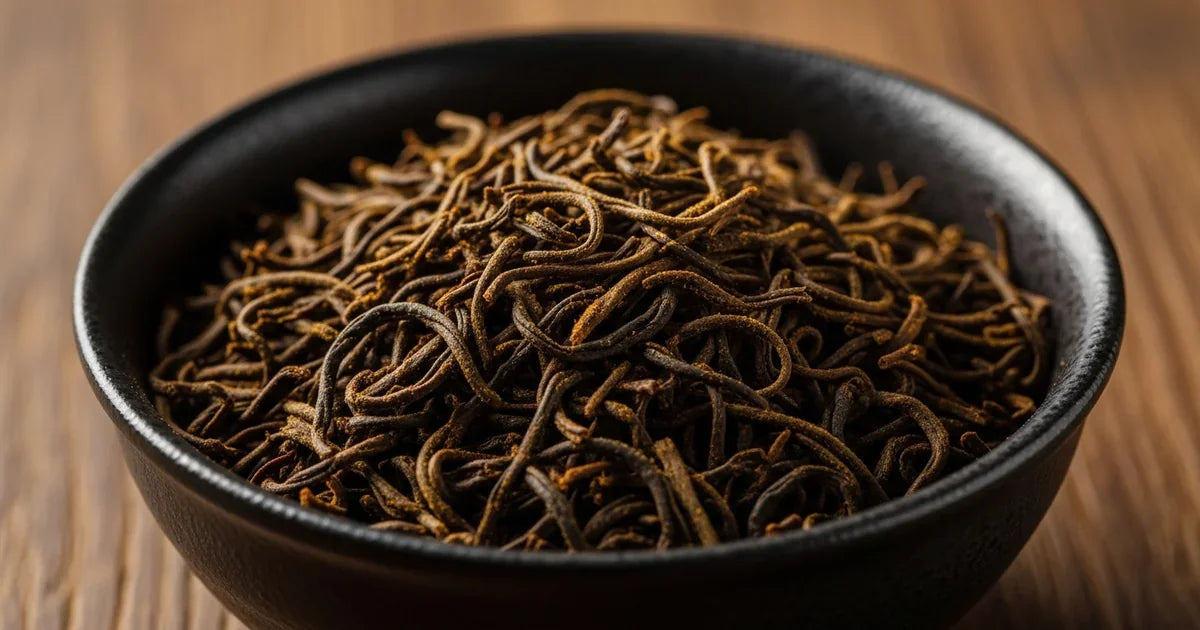
注意:本記事の内容は一般的な情報提供を目的としており、医療アドバイスの代わりにはなりません。健康上の懸念がある場合は、医師または医療専門家にご相談ください。 ほうじ茶のタンニン(カテキン類を含むポリフェノール)は浸出液100mLあ...
日本で最も早い新茶は、3月下旬に鹿児島から届きます。静岡の茶園がまだ数週間先の収穫を待つ中で、すでに市場に出回ります。その差は偶然ではなく、品種選択の結果です。早生品種(わせ)と晩生品種(おくて・ばんせい)を組み合わせることで、農家は...
水色は淡く透き通っていて、光の当たり方によって春水のような輝きを帯びます。口に運ぶ前から、甘さが先に届く。若い豆のような清涼感と、かすかに花を思わせる香り。渋味がなく、余韻が長い。さえみどりとはそういうお茶です。名前の「冴えた緑」が、...
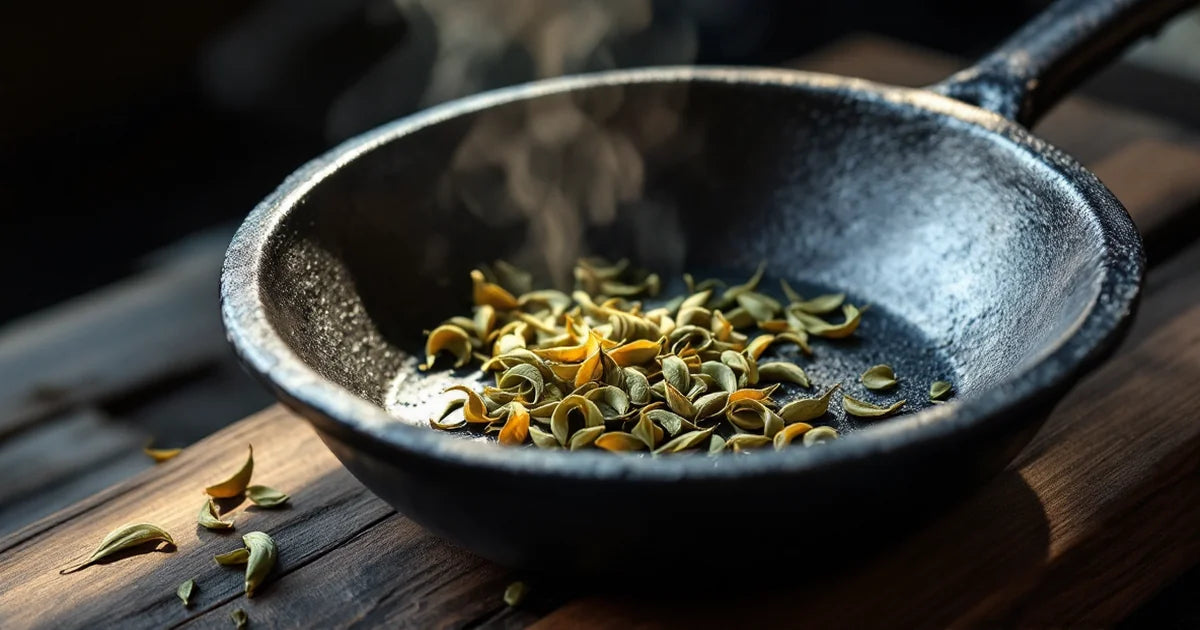
日本の緑茶のほぼすべては「蒸して」作られます。摘み取った直後の茶葉を短時間の蒸気にさらして酸化酵素を不活性化する「殺青(さっせい)」を行い、その後に揉捻や乾燥で形を整える。この流れが江戸時代に広まり、現在では日本茶の標準として定着しま...
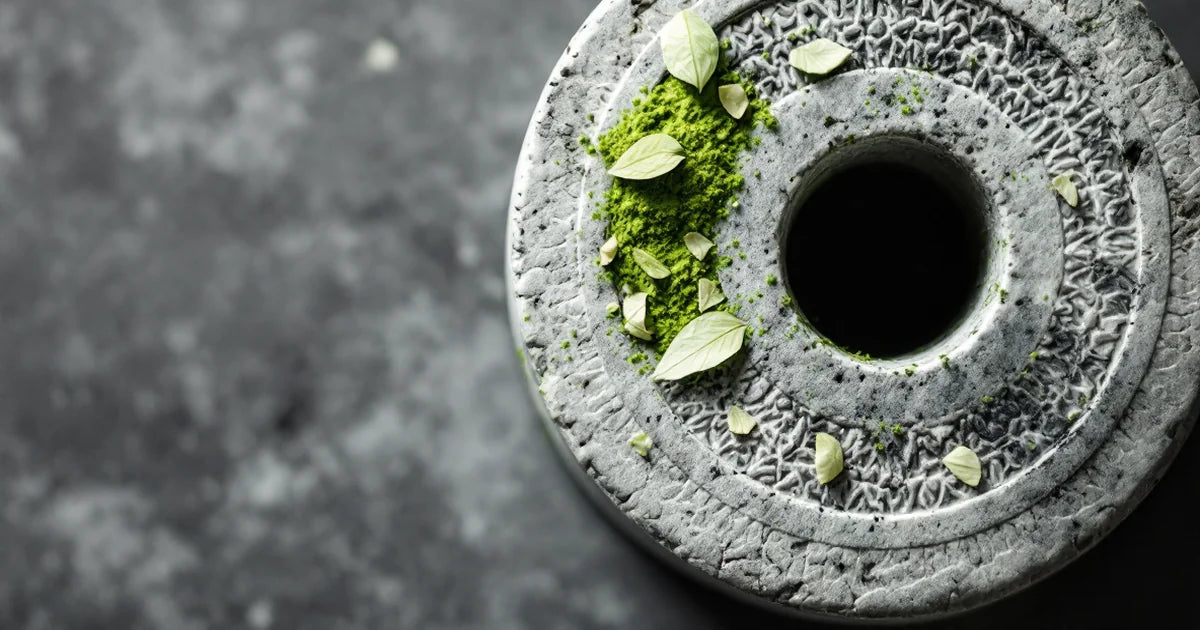
抹茶の粉末を見ていると、それがもともと「葉」だったことを忘れそうになります。石臼で挽かれる前、茶葉は「碾茶(てん茶)」と呼ばれる形で存在しています。針のように細く巻かれた煎茶でもなく、丸く押し固められたペレット状でもない。平たく、薄く...
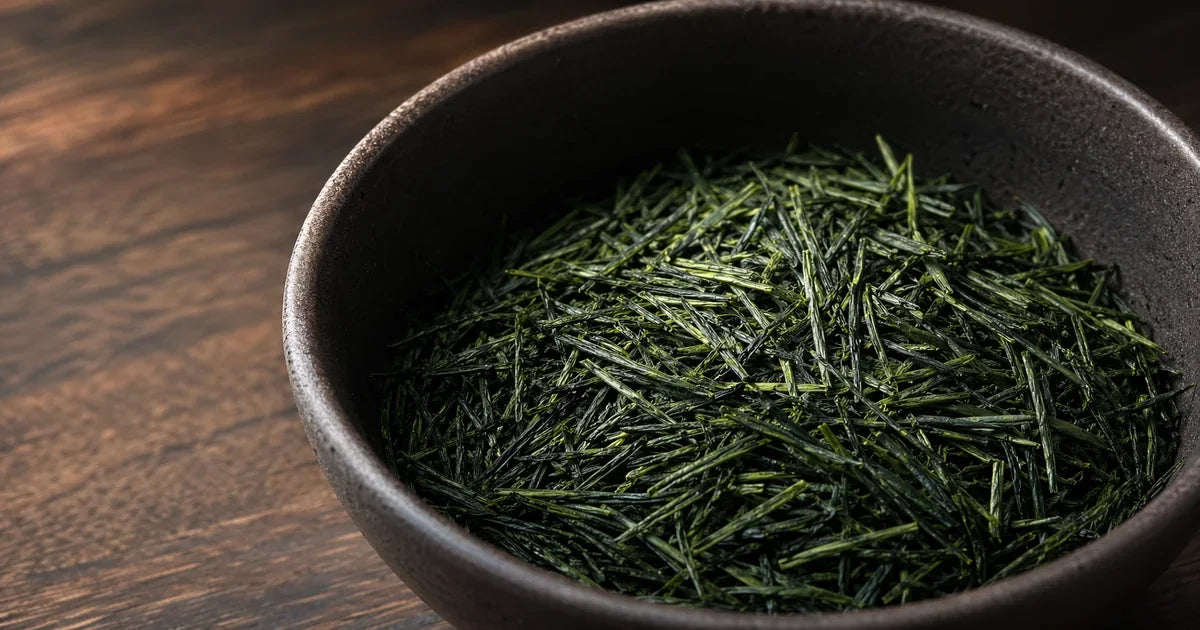
湯のみに顔を近づけると、まず磯の香りが立ち上がります。海苔や枝豆を思わせる、落ち着いた深みのある香り。口に含むと渋味はほとんどなく、代わりに旨味が広がります。これが玉露の一煎目の体験で、初めて飲む方の多くが「お茶でこんな味がするとは思...
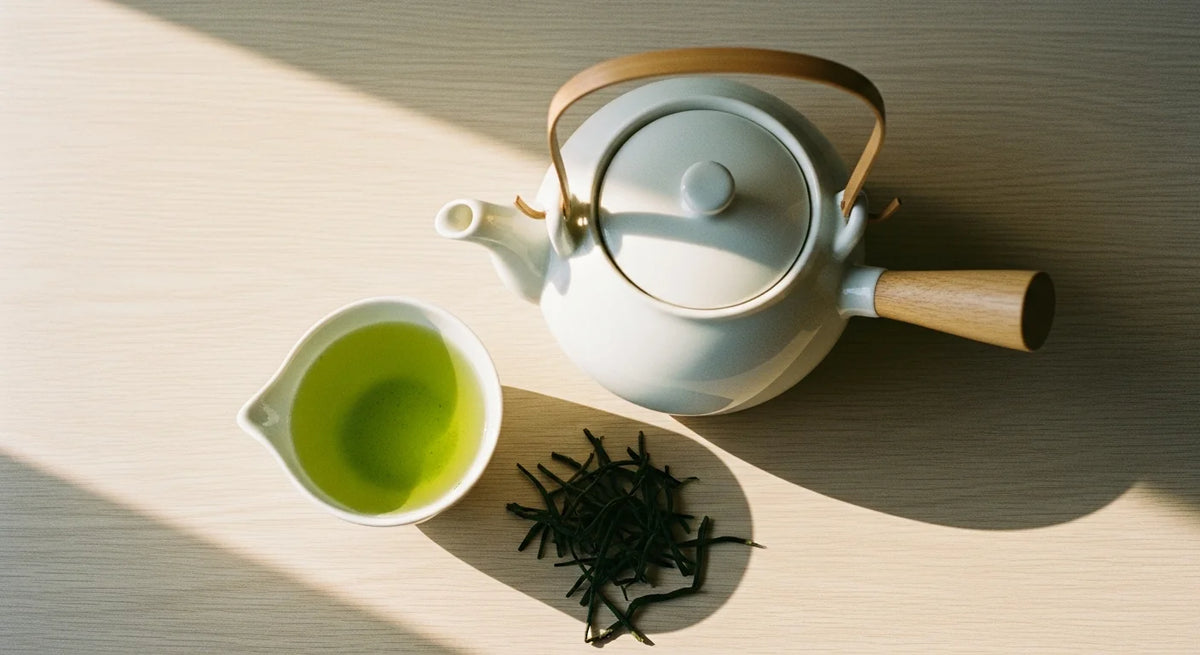
朝、湯のみから立つ青い香り。食卓でいちばん身近な日本茶といえば、やはり煎茶です。けれど「煎茶とは?」と聞かれると、玉露やほうじ茶と何が違うのか、蒸し方でどう味が変わるのかまでは意外と曖昧なまま。 煎茶は、爽やかな渋味、後から追う甘味、...
読むから飲むへ
調べたお茶を、実際に味わう。
日本の7つの窯元による手仕事の茶器と、その作り手の物語。
