益子焼とは — 濱田庄司と民藝運動が育てた、栃木の陶器
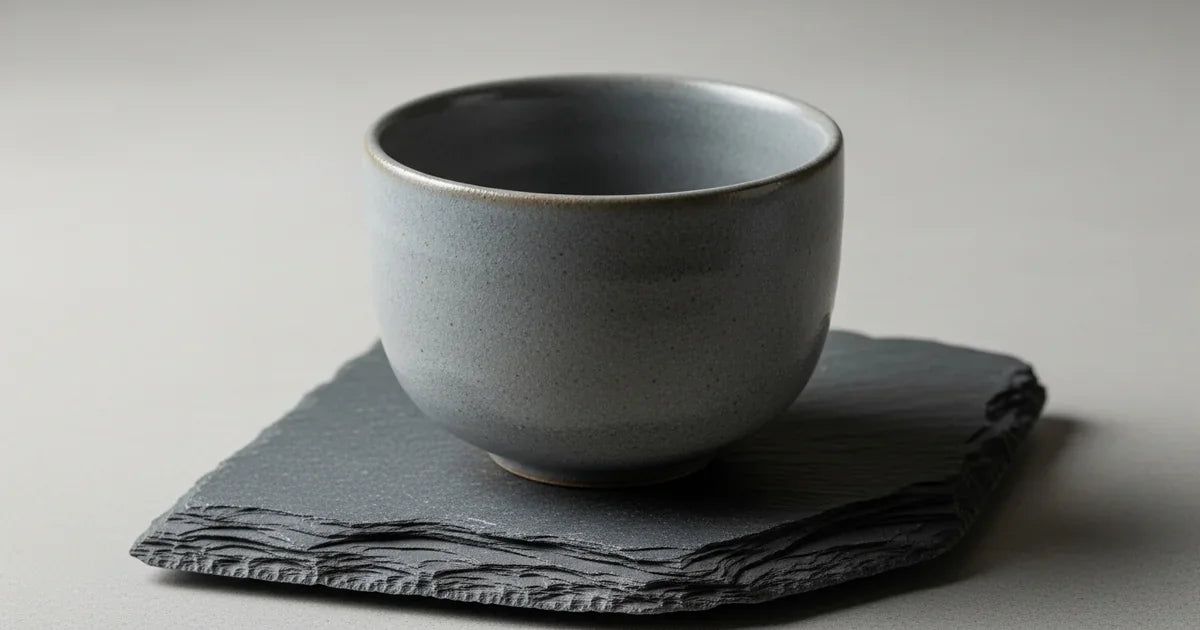
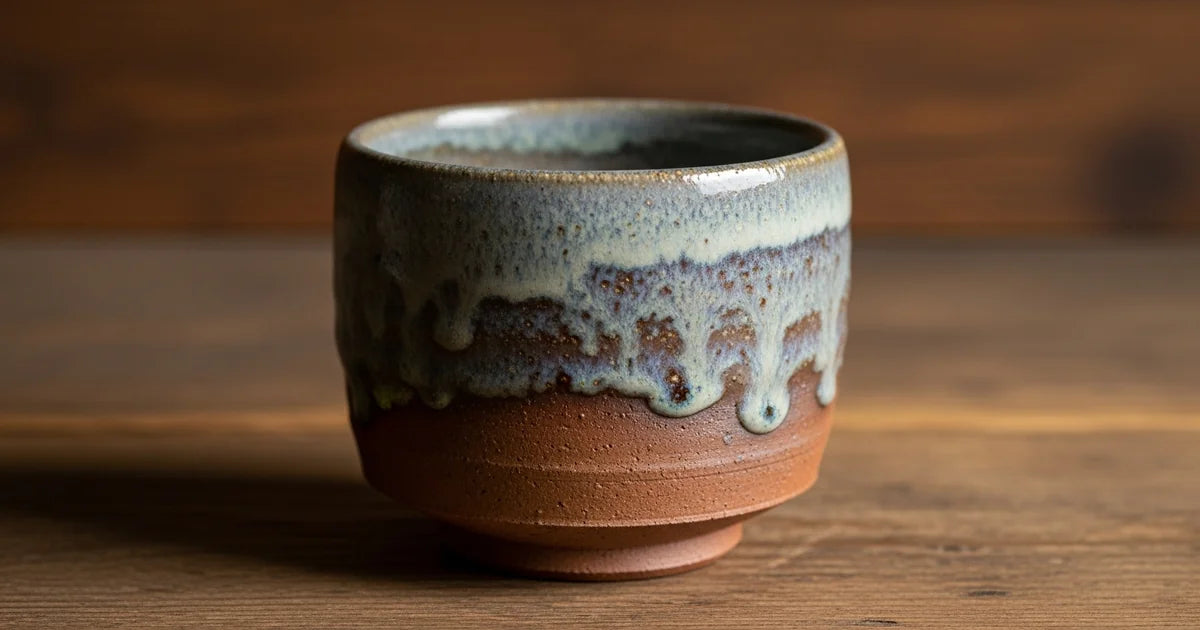
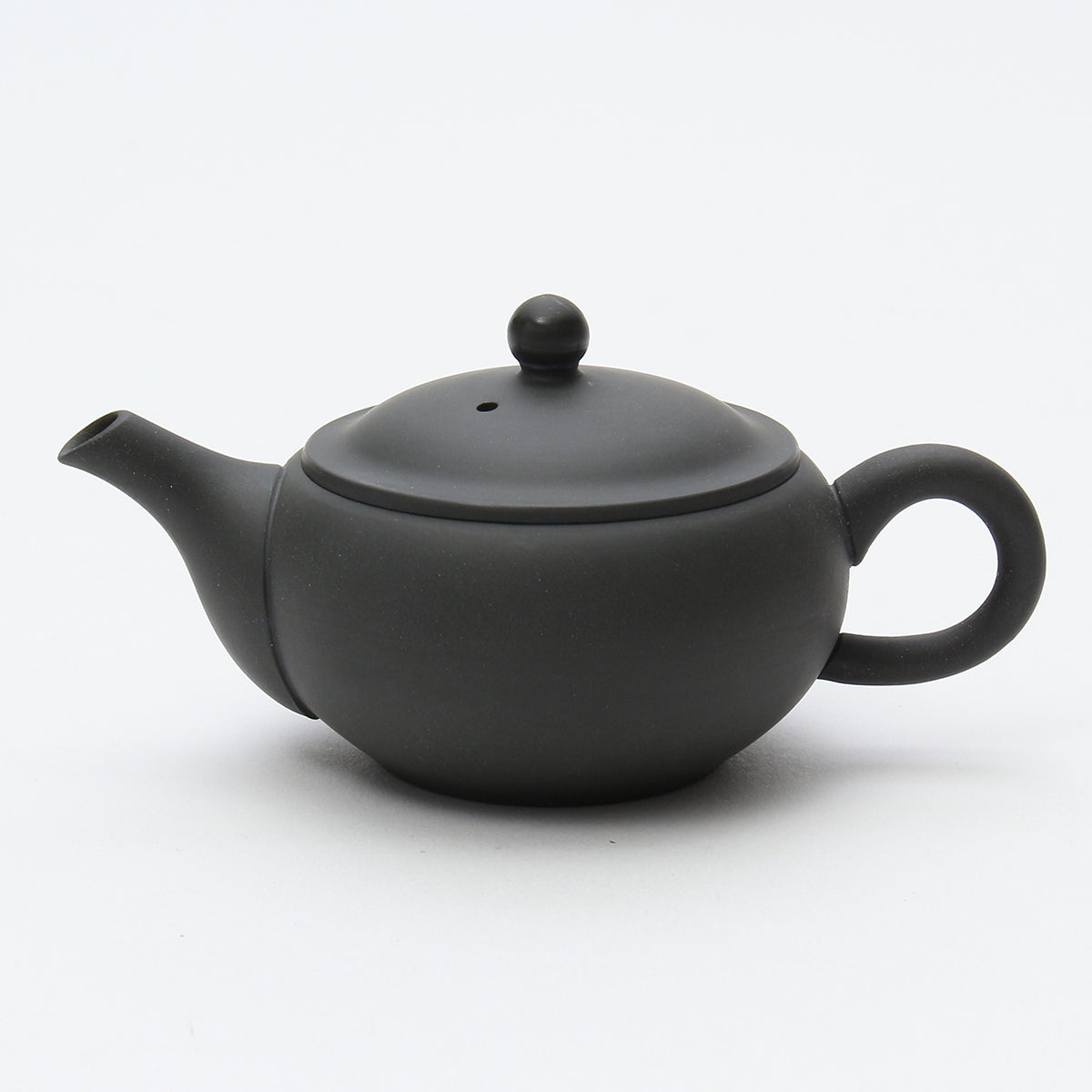
益子焼とは — 濱田庄司と民藝運動が育てた、栃木の陶器 益子焼の湯のみを手にすると、重みがある。釉薬は鉄分の茶、あるいは灰釉のざらりとした感触。形はまっすぐな円筒か、素直な曲線。余計な装飾がない。なのに、どこか手放しがたい。これが「...
更新 2026年10月
続きを読む
お茶の百科事典
淹れ方、品種の選び方、産地、そして味の理由。日本茶を仕入れ、飲み続けてきた経験から書いています。
益子焼とは — 濱田庄司と民藝運動が育てた、栃木の陶器 益子焼の湯のみを手にすると、重みがある。釉薬は鉄分の茶、あるいは灰釉のざらりとした感触。形はまっすぐな円筒か、素直な曲線。余計な装飾がない。なのに、どこか手放しがたい。これが「...
常滑焼とは — 急須の産地として知られる六古窯と、朱泥の茶器 常滑焼の朱泥急須をテーブルに置くと、まず土の色が目を引きます。赤茶のオレンジ、ガラス質ではないなめらかな表面、ずっしりと手に収まる重み。注ぎ口は水切れがよく、蓋はぴたりと...
有田焼と伊万里焼 — 日本磁器の原点と、その違いを知る 17世紀、ヨーロッパの王侯貴族が「最高の磁器」と呼んだのは、日本の有田で焼かれたものでした。マイセンもセーブルも生まれる前に、有田はすでに世界水準の白磁を生産していた。オランダ...
波佐見焼とは — 日常使いに選ばれ続ける磁器の魅力 波佐見焼の湯のみを手にすると、まず気づくのは軽さです。磁器なのに、こんなに薄いのかと驚くほど。口当たりはなめらかで、白地には余計な装飾がなく、清潔感がある。でも、冷たい感じはしない...
炻器(せっき)とは — 陶器でも磁器でもない、日本の茶器素材を理解する 常滑焼の朱泥急須、有田焼の白磁の湯のみ、備前焼の無釉の茶碗。三つを並べると、同じ「陶磁器」という言葉がどれほど広い意味を持つかがよくわかります。朱泥急須は赤く温...
日本の陶器とは — 焼き物産地の種類と、お茶に向く陶器の選び方 日本の陶器の歴史は深い。縄文時代の土器は世界最古の陶器のひとつとされており、その伝統は途切れることなく現代まで続いています。日本の焼き物は一本の線ではなく、地域によって...
磁器・陶器・炻器の違い — 急須と茶器の素材を選ぶ前に知っておきたいこと 常滑焼の朱泥急須と波佐見焼の白磁の湯のみを並べると、同じ「茶器」という言葉がずいぶん広い意味を持つことに気づきます。一方は赤みがかった土の温かみ、ざらりとし...
Discover the different types of Japanese tea: Ichibancha, Shincha, Nibancha, Sanbancha, and Yonbancha. This guide cov...
1859年、横浜港が外国貿易に開かれたとき、日本茶は一夜にして国際商品へと変わる道を歩みはじめました。明治維新(1868年)から大正時代(1912〜1926年)にかけての約60年間は、日本茶の歴史のなかで最も劇的な転換期のひとつです...
日本の茶の湯文化が大きく姿を変えたのが、室町時代から安土桃山時代にかけてです。武家社会、寺院文化、そして都市の商人文化が交わるなかで、お茶は単なる飲み物ではなく、人をもてなし、心を整え、関係を結ぶ営みへと育ちました。 私たちが今...
知識を、体験に変える
日本の7つの窯元による手仕事の茶器と、その作り手の物語。